Study Reveals Non-Invasive Cavity Prevention Technique
What happened
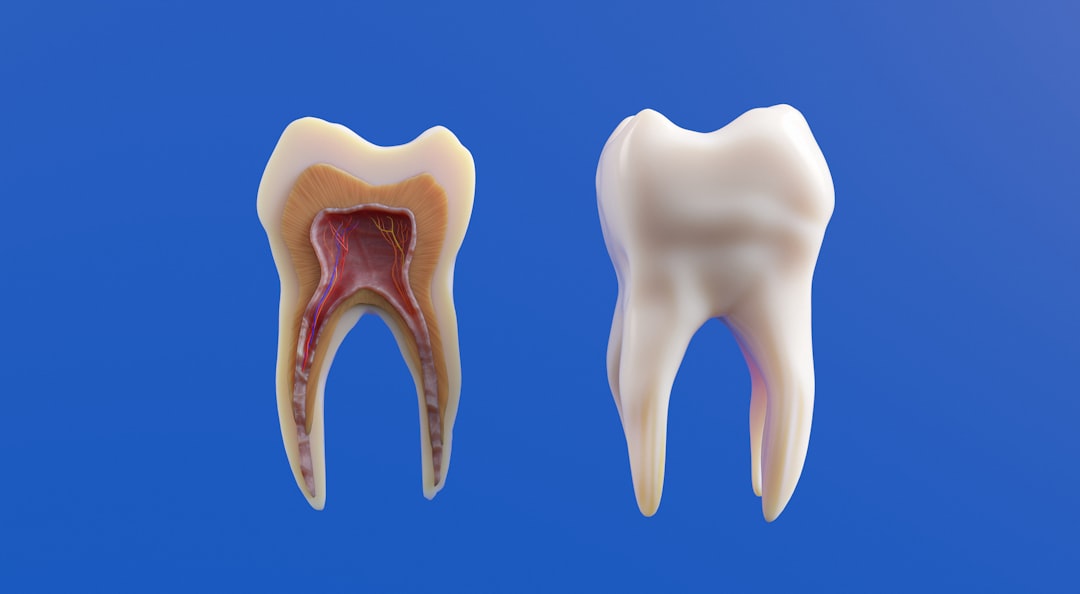
Scientists have discovered a method to prevent cavities in young children without the need for drilling. A major U.S. trial demonstrated that applying a liquid called silver diamine fluoride to cavities can halt decay in over half of treated baby teeth. This treatment is quick, requiring only seconds to apply, and does not involve drilling or shots.
Key facts
- The treatment involves brushing a liquid onto cavities.
- Silver diamine fluoride was used in the trial.
- The trial showed it stopped decay in more than half of treated baby teeth.
- The process is quick and does not require drilling or shots.
- This method could spare children from pain, infection, and surgery.
Background & context
Cavities, or dental caries, are a prevalent issue among children worldwide, often leading to discomfort and the necessity for dental interventions. Traditionally, the treatment of cavities involves drilling to remove decayed material, followed by filling the cavity with a dental material. This process can be intimidating and uncomfortable, especially for young children, potentially leading to dental anxiety. Silver diamine fluoride, a compound with antimicrobial properties, has been used in dentistry for several years. It is known for its ability to arrest the progression of dental caries, making it a valuable tool in preventive dental care. The compound works by killing bacteria that cause decay and hardening the tooth structure, thus preventing further deterioration. Its application is simple and non-invasive, which makes it particularly suitable for pediatric dentistry.
Why it matters (for US readers)
This development is significant for parents and healthcare providers in the U.S. as it offers a less invasive, potentially less traumatic option for treating cavities in children. By reducing the need for drilling and anesthesia, this method could improve the dental experience for young patients and potentially increase compliance with dental care recommendations. The ease of application and the reduction in procedural discomfort may encourage more frequent dental visits and adherence to preventive care guidelines. Furthermore, this method could have broader implications for public health, particularly in underserved communities where access to dental care is limited. By providing a simple and effective treatment option, silver diamine fluoride could help reduce the incidence of untreated dental caries, which is a common issue in areas with limited dental resources.
Stakeholders & viewpoints
- Parents and caregivers: Likely to welcome a less invasive treatment option for their children, reducing the stress and anxiety associated with traditional dental procedures.
- Dentists and pediatricians: May see this as a beneficial tool in preventive dental care, allowing them to offer a more comfortable and efficient treatment option for young patients.
- Healthcare policymakers: Could consider this method for wider implementation in public health programs, particularly in efforts to improve dental health outcomes in children and reduce healthcare costs associated with more invasive treatments.
Timeline & what to watch next
- Monitor for further studies confirming the long-term effectiveness of silver diamine fluoride. Continued research will be crucial to understanding its efficacy over extended periods and across diverse populations.
- Watch for potential adoption of this treatment in dental practices across the U.S. As more data becomes available, dental practitioners may begin to incorporate this method into routine care.
- Look for any updates on guidelines from dental associations regarding its use. Professional organizations may issue recommendations or guidelines to standardize the application of silver diamine fluoride in clinical settings.
Sources
Up Next
![# Samsung’s next pair of Galaxy Buds show off open-ear design in another leak [Gallery] - 9to5Google](/img/2026-07-31-samsungs-next-pair-of-galaxy-buds-show-off-open-ear-design-in-another-leak-gallery-9to5goo.jpg)