Wisconsin Governor Primary: Democrats Face Off
What happened
The Democratic candidates vying for the position of governor in Wisconsin participated in a primary debate. This event took place two weeks before the scheduled primary election, providing an opportunity for the candidates to present their platforms and engage with each other's policies.
Key facts
- The debate featured five Democratic candidates.
- It was held in anticipation of the upcoming primary election.
- The event was covered by WISN Milwaukee.
- The debate occurred on July 29, 2026.
Background & context
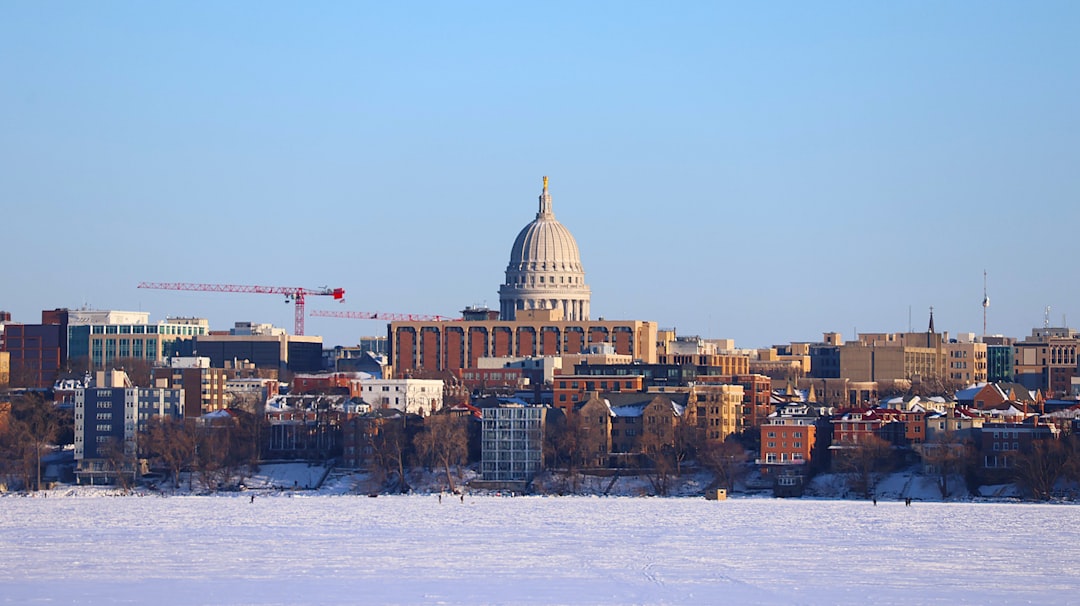
Primary debates are a staple of the American electoral process, serving as a critical forum for candidates to communicate their visions and policy priorities to the electorate. In the United States, primary elections are held by political parties to select their nominees for the general election. These debates allow candidates to distinguish themselves from their peers, offering voters insights into their leadership styles and policy preferences. Wisconsin, a state with a diverse political landscape, often plays a pivotal role in national elections. The state has a history of fluctuating between Democratic and Republican leadership, making its gubernatorial race particularly significant. The primary election is a crucial step in determining which candidate will represent the Democratic Party in the general election, where they will face the Republican nominee. Debates such as this one are instrumental in shaping public opinion and can significantly influence the outcome of the primary. They provide a platform for candidates to address pressing issues such as healthcare, education, economic development, and environmental policies, which are often at the forefront of voters' concerns.
Why it matters
For US readers, this debate is significant as it plays a crucial role in shaping the political landscape in Wisconsin. The outcome of the primary election will determine which Democratic candidate will challenge the Republican contender in the general election. This can influence policy directions and governance in Wisconsin, impacting issues such as education, healthcare, and economic development. The governor of Wisconsin holds substantial influence over state policy and budgetary decisions, affecting millions of residents. The primary election outcome could shift the state's approach to critical issues, potentially altering its trajectory on matters like public education funding, healthcare access, and infrastructure development. Moreover, Wisconsin's political dynamics can have broader implications, as the state is often seen as a bellwether in national politics.
Stakeholders & viewpoints
The primary stakeholders in this debate are the Democratic candidates, the voters in Wisconsin, and the Democratic Party. Each candidate aims to convince voters of their suitability for the governor's role, while voters seek to make informed decisions. The Democratic Party is interested in selecting a candidate who can successfully compete in the general election. Candidates typically represent a range of viewpoints within the Democratic spectrum, from progressive to more centrist positions. This diversity allows voters to choose a candidate whose policies align most closely with their own values and priorities. The debate provides a platform for candidates to articulate their positions on key issues, such as economic inequality, climate change, and social justice, which are often central to Democratic platforms. Voters, as the ultimate decision-makers, are tasked with evaluating the candidates' performances and determining who they believe can best lead the state. Their choices will reflect their priorities and concerns, influencing the direction of the Democratic Party in Wisconsin.
Timeline & what to watch next
- July 29, 2026: The Democratic primary debate took place.
- Two weeks from the debate: The primary election will be held, determining the Democratic nominee for governor.
- Post-primary: The selected Democratic candidate will prepare for the general election, where they will face the Republican nominee. This phase will involve intensified campaigning, as candidates seek to broaden their appeal to a wider electorate. As the primary election approaches, voters and political analysts will be closely watching the candidates' strategies and any shifts in public opinion. The outcome of the primary will set the stage for the general election, where the stakes are high for both parties. The Democratic nominee will need to consolidate support within the party while reaching out to independent and undecided voters, who often play a decisive role in Wisconsin elections.
Sources
Up Next