# Trump Warns Iran Amid U.S.-Saudi Strikes in Iraq
What happened
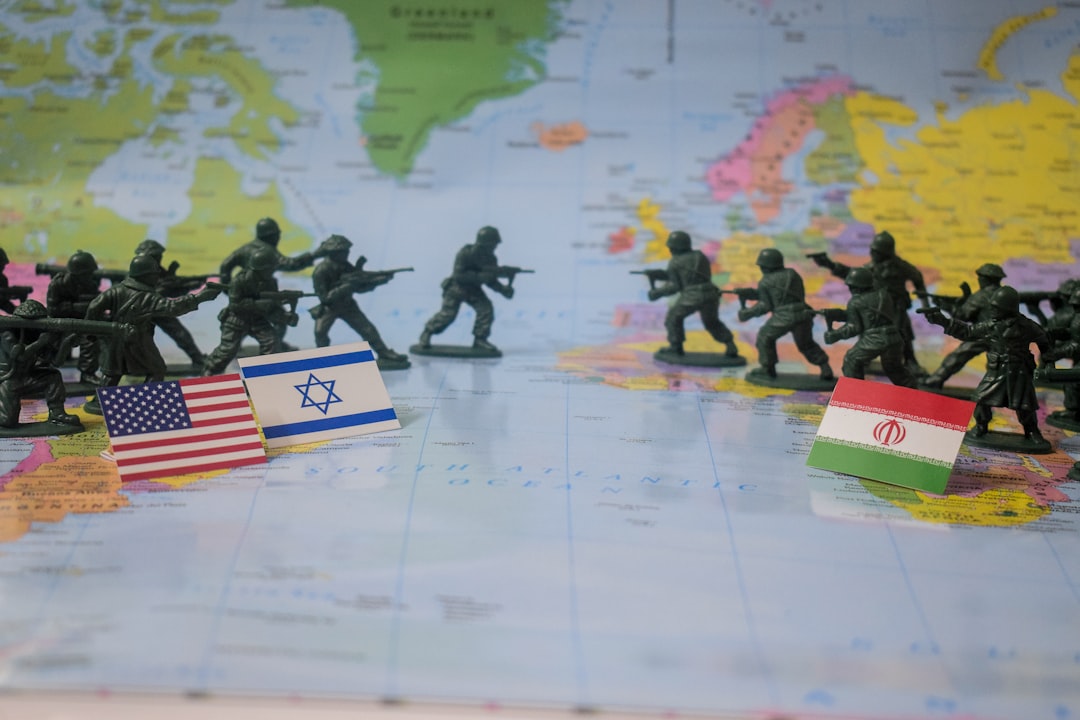
The conflict in the Middle East has intensified as President Trump has issued a warning to Iran, stating that they will "get a beating." This statement comes amid reports of the United States and Saudi Arabia conducting joint military strikes against Iranian proxies in Iraq.
Key facts
- President Trump has threatened Iran with "a beating."
- The U.S. and Saudi Arabia have launched joint strikes in Iraq.
- The targets of these strikes are Iranian proxies.
- The situation is part of a broader conflict in the Middle East.
Background & context
The Middle East has long been a region of geopolitical tension, involving various state and non-state actors. The U.S. has historically been involved in the region, often aligning with Saudi Arabia against Iranian influence. The region's strategic importance is underscored by its vast oil reserves and its position as a crossroads for global trade routes. Conflicts in Iraq have been a focal point of these tensions, with various groups vying for power and influence. The U.S. and Iran have had a contentious relationship for decades, marked by diplomatic standoffs and proxy conflicts. Saudi Arabia, a key U.S. ally, shares a rivalry with Iran, further complicating the regional dynamics.
Why it matters (for US readers)
The escalation of conflict in the Middle East can have significant implications for U.S. foreign policy and national security. It may affect global oil markets, given the region's role in energy production, and could lead to broader military engagements involving U.S. forces. Additionally, it impacts diplomatic relations with allies and adversaries in the region. The U.S. has strategic interests in maintaining stability in the Middle East to ensure the free flow of oil and to counter terrorism. Any military escalation could also have domestic political ramifications, influencing public opinion and policy decisions.
Stakeholders & viewpoints
- U.S. Government: Aims to counter Iranian influence and protect strategic interests in the Middle East. The U.S. seeks to maintain its alliances and deter aggression that could destabilize the region.
- Iran: Likely to view the strikes as an aggressive act, potentially escalating tensions further. Iran may respond through its network of regional allies and proxies, increasing the risk of wider conflict.
- Saudi Arabia: Aligns with the U.S. in countering Iranian proxies, seeking to maintain regional dominance. Saudi Arabia views Iran as a major threat to its security and influence in the region.
- Iraqi Government: Faces challenges in maintaining sovereignty and stability amid foreign military actions. Iraq is often caught in the crossfire of U.S.-Iran tensions, complicating its efforts to rebuild and stabilize after years of conflict.
Timeline & what to watch next
- Monitor for any official responses from Iran regarding the strikes. Iran's reaction could range from diplomatic protests to military retaliation.
- Watch for further military actions or escalations in the region. Additional strikes or confrontations could signal a deepening conflict.
- Observe any diplomatic efforts or negotiations aimed at de-escalation. International actors may seek to mediate and prevent further violence.
- Keep an eye on potential impacts on global oil prices. Disruptions in the Middle East can lead to volatility in energy markets, affecting economies worldwide.
Sources
Up Next