What to Expect in US Renewable Energy by 2026
Introduction
Renewable energy is rapidly transforming the energy landscape in the United States. As concerns over climate change and energy security grow, the shift towards sustainable energy sources is becoming more pronounced. This article examines current trends in renewable energy, focusing on key developments and their implications for the future.
Key Points
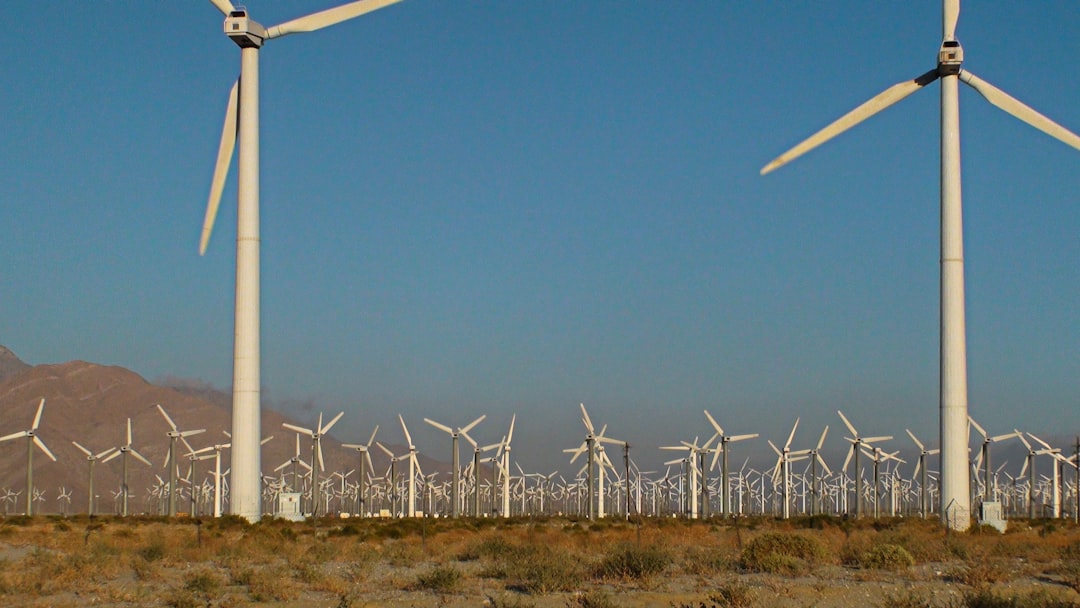
- Growth in Renewable Energy Capacity: The US has seen a significant increase in renewable energy capacity, particularly in wind and solar power. According to the Energy Information Administration (EIA), renewables accounted for about 20% of electricity generation in 2020, with projections indicating continued growth.
- Technological Advancements: Innovations in technology are driving down costs and improving efficiency. Solar photovoltaic (PV) systems and wind turbines have become more efficient, making them more competitive with traditional energy sources.
- Policy and Regulation: Federal and state policies are crucial in promoting renewable energy. Incentives such as tax credits and renewable portfolio standards (RPS) have been instrumental in encouraging investment and development.
- Decentralized Energy Systems: There is a growing trend towards decentralized energy systems, including community solar projects and microgrids, which enhance energy resilience and reduce reliance on centralized power plants.
- Investment and Financing: Investment in renewable energy infrastructure is increasing, with both public and private sectors recognizing the long-term benefits. Green bonds and other financing mechanisms are supporting this growth.
- Environmental and Economic Impact: Renewable energy contributes to reducing greenhouse gas emissions and offers economic benefits, including job creation in manufacturing, installation, and maintenance.
Quick Q&A
- What is the current share of renewable energy in US electricity generation?
As of 2020, renewable energy accounted for about 20% of US electricity generation. - Which renewable energy sources are most prevalent in the US?
Wind and solar power are the most prevalent renewable energy sources in the US. - How have costs for renewable energy changed over time?
Costs for renewable energy, particularly solar and wind, have decreased significantly due to technological advancements and economies of scale. - What role do government policies play in renewable energy adoption?
Government policies, including tax incentives and renewable portfolio standards, play a crucial role in promoting renewable energy adoption. - What are decentralized energy systems?
Decentralized energy systems are localized energy systems, such as community solar projects and microgrids, that operate independently from the central grid. - How does renewable energy impact the environment?
Renewable energy reduces greenhouse gas emissions and reliance on fossil fuels, contributing to environmental sustainability. - What are the economic benefits of renewable energy?
Renewable energy creates jobs in manufacturing, installation, and maintenance, and can lead to energy cost savings. - What are green bonds?
Green bonds are financial instruments designed to fund projects that have positive environmental benefits, including renewable energy projects.
Deeper Dive
The transition to renewable energy in the US is driven by a combination of technological, economic, and policy factors. Technological advancements have made renewable energy sources more efficient and cost-effective. For instance, the cost of solar photovoltaic systems has dropped by more than 70% over the past decade, making solar power increasingly accessible. Policy initiatives at both federal and state levels have been pivotal. The federal government provides tax credits for renewable energy projects, while many states have implemented renewable portfolio standards that require a certain percentage of electricity to come from renewable sources. These policies have spurred investment and accelerated the deployment of renewable energy technologies. Decentralized energy systems are gaining traction as they offer increased energy security and resilience. These systems can operate independently from the main grid, providing power during outages and reducing transmission losses. Community solar projects, where multiple households share the benefits of a single solar array, are an example of this trend. Investment in renewable energy is also on the rise. In 2020, the US saw a record $55 billion in renewable energy investments. Green bonds and other innovative financing mechanisms are playing a crucial role in supporting this growth, providing the necessary capital for large-scale projects.
US Examples & Data
- Texas: Texas leads the nation in wind energy production, with over 30 GW of installed capacity as of 2021. The state's vast open spaces and favorable wind conditions make it ideal for wind farms.
- California: California is a leader in solar energy, with over 30% of its electricity coming from solar power. The state's aggressive renewable portfolio standards have driven significant investment in solar infrastructure.
- Iowa: Iowa generates over 40% of its electricity from wind power, showcasing the potential for wind energy in the Midwest.
- New York: New York has invested heavily in offshore wind projects, aiming to generate 9,000 MW of offshore wind energy by 2035.
- Florida: Known as the "Sunshine State," Florida is rapidly expanding its solar capacity, with major utilities investing in large-scale solar farms.
Why It Matters
The shift towards renewable energy is crucial for addressing climate change and ensuring energy security. Renewable energy sources produce little to no greenhouse gas emissions, helping to mitigate the impacts of climate change. Additionally, they reduce dependence on fossil fuels, enhancing energy independence and security. Economically, the renewable energy sector is a significant source of job creation. The US Department of Energy reports that the solar industry employs over 250,000 workers, while the wind industry supports over 116,000 jobs. As the sector grows, it will continue to provide economic opportunities across the country.
Sources
- U.S. Energy Information Administration (EIA)
- National Renewable Energy Laboratory (NREL)
- Department of Energy (DOE)
- Environmental Protection Agency (EPA)
- American Wind Energy Association (AWEA)
- Solar Energy Industries Association (SEIA)
Related Topics
- The Impact of Climate Change on Energy Policy
- Technological Innovations in Renewable Energy
- The Role of Government in Promoting Sustainable Energy
- Economic Impacts of the Renewable Energy Transition
- Energy Storage Solutions for Renewables
Up Next