# U.S.-Iran Diplomacy Efforts Ease Oil Price Tensions
What happened
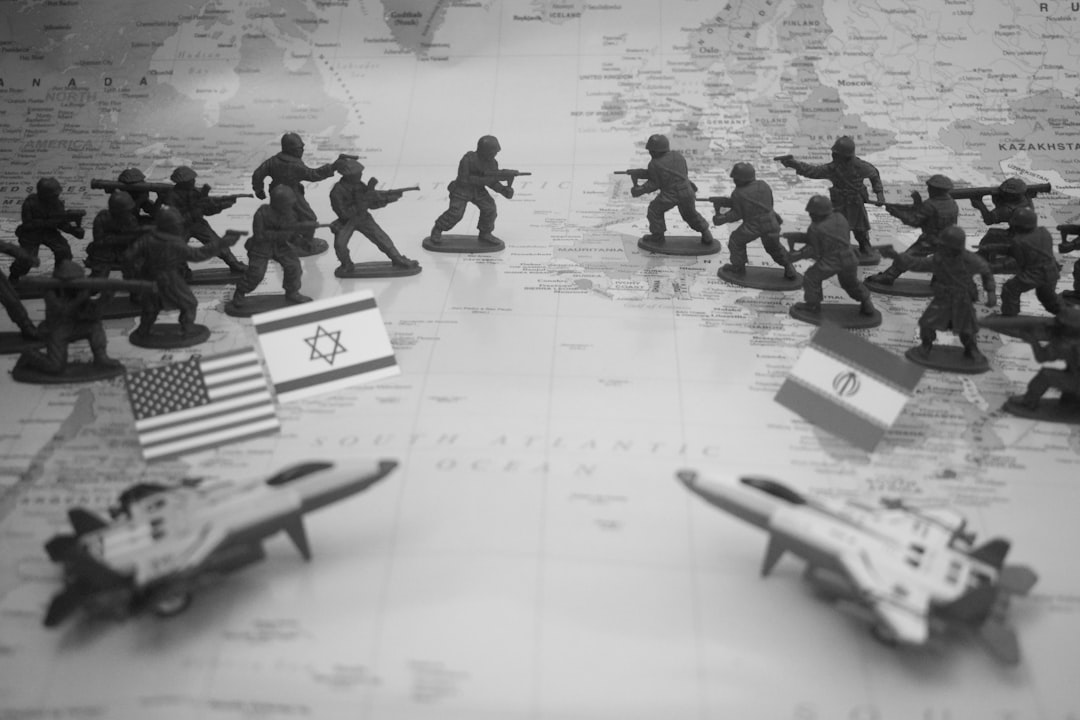
Oil prices experienced a significant drop on Monday following a decision by the United States and Iran to pause their escalating strikes. This pause is intended to create "space" for diplomatic negotiations.
Key facts
- Oil prices tumbled on Monday.
- The United States and Iran have paused their escalating strikes.
- The pause aims to provide "space" for diplomacy.
Background & context
The relationship between the United States and Iran has long been fraught with tension, rooted in historical conflicts and differing political ideologies. Key issues include Iran's nuclear program, regional influence, and military activities. The 2015 nuclear deal, formally known as the Joint Comprehensive Plan of Action (JCPOA), was a significant diplomatic effort to curb Iran's nuclear capabilities in exchange for sanction relief. However, the U.S. withdrawal from the agreement in 2018 reignited tensions. Geopolitically, the Middle East is a critical region for global oil supply, with the Strait of Hormuz being one of the world's most important oil transit chokepoints. Approximately a fifth of the world's petroleum passes through this narrow waterway, making it a strategic focal point in U.S.-Iran relations. Any conflict or threat in this region can lead to significant fluctuations in oil prices, affecting global markets.
Why it matters (for US readers)
For U.S. readers, the fluctuation in oil prices can have direct economic implications. Changes in oil prices influence gasoline costs, which in turn affect transportation expenses and the price of goods. This can impact household budgets and broader economic stability. Furthermore, diplomatic efforts between the U.S. and Iran can shape international relations, affecting U.S. foreign policy and military strategy in the Middle East. The Middle East's stability is crucial for global security and economic interests. Successful diplomacy could lead to reduced military tensions and a more stable oil market, benefiting both the U.S. economy and global trade. Conversely, failure to reach a diplomatic solution could escalate conflicts, leading to increased military involvement and further economic uncertainty.
Stakeholders & viewpoints
- U.S. Government: The U.S. government is focused on stabilizing oil prices and reducing military tensions. Diplomatic success could enhance national security and economic interests.
- Iranian Government: Iran seeks relief from economic sanctions and a reduction in military pressure. Diplomatic engagement could improve its economic situation and international standing.
- Global Oil Market: The global oil market is highly sensitive to geopolitical tensions. Stakeholders, including oil companies and investors, closely monitor developments that could impact supply and prices.
- Consumers: Consumers are directly affected by changes in oil prices, which influence transportation costs and the price of goods. Stability in oil prices can lead to more predictable economic conditions.
Timeline & what to watch next
- Monitor Diplomatic Talks: Keep an eye on any further announcements regarding U.S.-Iran diplomatic talks. Progress or setbacks in negotiations could significantly impact oil prices and geopolitical stability.
- Oil Price Trends: Watch for changes in oil prices in response to geopolitical developments. Market reactions can provide insights into the perceived success or failure of diplomatic efforts.
- International Reactions: Look for statements from other countries or international organizations regarding the situation. Global reactions can influence the diplomatic process and potential resolutions.
- Regional Developments: Pay attention to any military or political developments in the Middle East that could affect the U.S.-Iran dynamic and, consequently, the global oil market.
Sources
Up Next