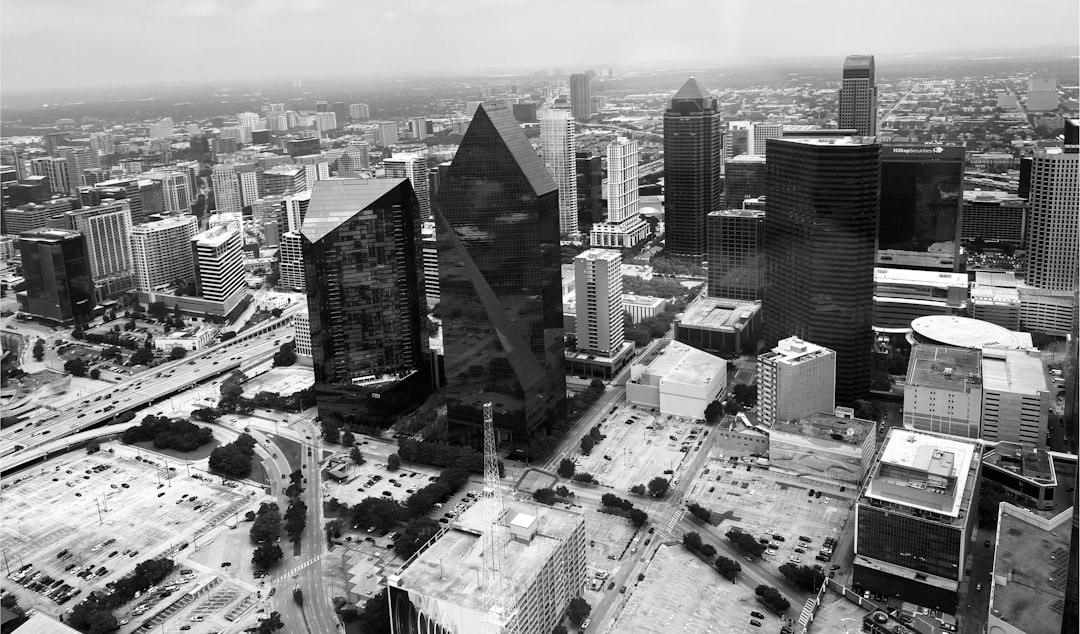
How Major Projects Transformed US Cityscapes

Introduction
Infrastructure projects have long played a critical role in shaping the urban landscapes of the United States. From highways to public transit systems, these projects have not only facilitated transportation but have also influenced economic growth, urban development, and social dynamics. This article delves into the transformative power of infrastructure projects in US cities, examining their historical context, key examples, and lasting impacts.
Key Points
- Economic Growth: Infrastructure projects often stimulate local economies by creating jobs and attracting businesses. They can increase property values and spur development in previously underdeveloped areas.
- Urban Development: These projects can lead to significant changes in city layouts, influencing residential and commercial zoning. They often dictate the flow of people and goods, impacting urban sprawl and density.
- Social Impact: Infrastructure can either bridge or widen social divides. Projects like highways have historically divided communities, while public transit can enhance accessibility and connectivity.
- Environmental Considerations: Modern infrastructure projects increasingly consider environmental impacts, aiming for sustainability and reduced carbon footprints.
Case Study
Consider the development of the Interstate Highway System, a pivotal infrastructure project initiated in the 1950s. This network of highways transformed the American landscape by connecting cities and facilitating interstate commerce. In a realistic scenario, a mid-sized city like Indianapolis, Indiana, experienced significant changes due to the highway system. The introduction of major interstates such as I-65 and I-70 allowed for easier access to the city, attracting businesses and residents from surrounding areas. This led to economic growth and urban expansion, but also contributed to suburban sprawl and the decline of some inner-city neighborhoods.
Analysis
The impact of infrastructure projects on US cities is multifaceted. Economically, they can be a boon, driving growth and attracting investment. However, the benefits are not always evenly distributed. Urban development can lead to gentrification, displacing lower-income residents. Socially, while infrastructure can enhance connectivity, it can also reinforce existing inequalities if not planned inclusively. Environmentally, the challenge lies in balancing development with sustainability, as traditional infrastructure projects have often prioritized efficiency over ecological considerations.
US Examples & Data
- The Erie Canal: Completed in 1825, it connected the Great Lakes to the Atlantic Ocean, transforming New York City into a major trade hub and spurring economic growth across the state.
- The Transcontinental Railroad: Finished in 1869, it linked the eastern and western United States, facilitating commerce and settlement but also leading to significant environmental and social changes.
- The New York City Subway: Opened in 1904, it revolutionized urban transit, enabling the city's growth into a global metropolis.
- The Hoover Dam: Completed in 1936, it provided water and electricity to the southwestern US, supporting the growth of cities like Las Vegas and Los Angeles. According to the American Society of Civil Engineers, infrastructure investment has a multiplier effect, with every dollar spent generating approximately $3.70 in economic growth.
Why It Matters
Understanding the transformative power of infrastructure projects is crucial for future urban planning and policy-making. As cities continue to grow, the need for sustainable, inclusive, and efficient infrastructure becomes more pressing. These projects not only shape the physical landscape but also influence economic and social dynamics. Learning from past successes and failures can guide the development of infrastructure that benefits all residents and supports long-term urban resilience.
Sources
- American Society of Civil Engineers
- Federal Highway Administration
- National Park Service - Erie Canal
- Library of Congress - Transcontinental Railroad
- Metropolitan Transportation Authority - NYC Subway
Related Topics
- Urban Planning and Zoning
- Public Transit Systems in the US
- Environmental Impact of Infrastructure Projects
- The Role of Technology in Modern Infrastructure Development
Up Next