Understanding Blockchain: A Simple Guide
Introduction
Blockchain technology has become a buzzword in recent years, often associated with cryptocurrencies like Bitcoin. However, its applications extend far beyond digital currencies. At its core, blockchain is a decentralized digital ledger that records transactions across many computers in a way that the registered transactions cannot be altered retroactively. This article aims to demystify blockchain technology, explaining its fundamental concepts and exploring its potential impact across various industries.
Key Points
- Decentralization: Unlike traditional databases controlled by a central authority, blockchain operates on a peer-to-peer network, enhancing security and transparency.
- Immutability: Once data is recorded on a blockchain, it is extremely difficult to alter, ensuring the integrity of the information.
- Transparency: All participants in a blockchain network have access to the same data, which is updated in real-time, fostering trust among users.
- Smart Contracts: These are self-executing contracts with the terms of the agreement directly written into code, allowing for automated and reliable transactions.
- Applications Beyond Cryptocurrency: Blockchain's potential uses include supply chain management, healthcare, finance, and more.
Quick Q&A
What is blockchain?
Blockchain is a decentralized digital ledger that records transactions across multiple computers in a way that ensures the data cannot be altered retroactively.
How does blockchain work?
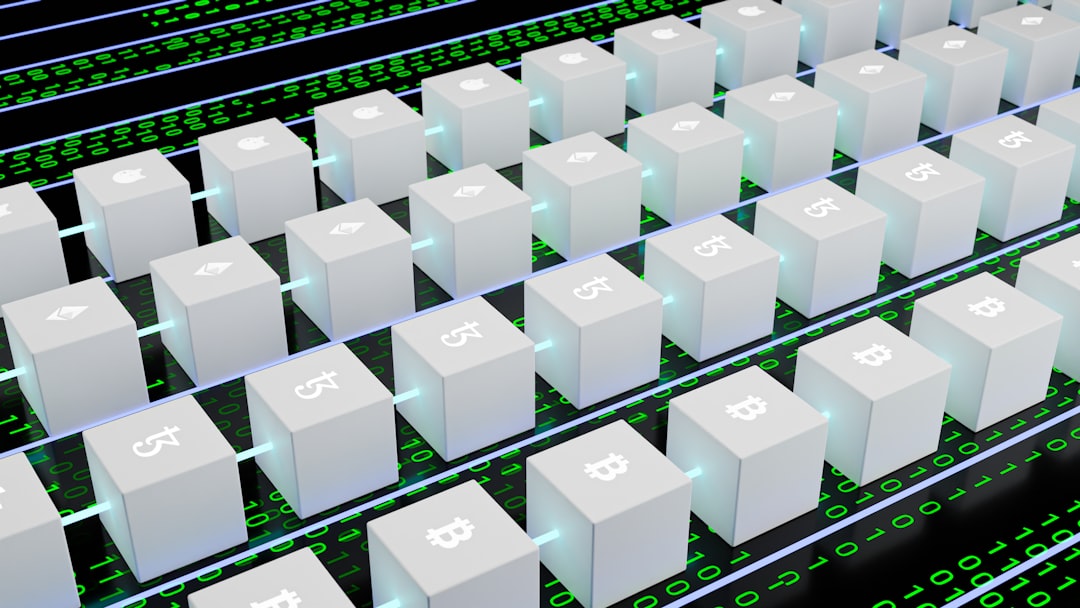
Blockchain works by grouping transactions into blocks, which are then linked together in a chronological chain. Each block contains a cryptographic hash of the previous block, a timestamp, and transaction data.
What is a smart contract?
A smart contract is a self-executing contract with the terms of the agreement between buyer and seller directly written into lines of code.
Is blockchain secure?
Yes, blockchain is considered secure due to its decentralized nature and cryptographic techniques, which make it difficult for unauthorized parties to alter data.
Can blockchain be used outside of cryptocurrencies?
Absolutely. Blockchain has applications in various fields, including supply chain management, healthcare, real estate, and more.
What are the limitations of blockchain?
Blockchain can be resource-intensive, requiring significant computational power and energy. It also faces scalability issues and regulatory challenges.
How does blockchain ensure transparency?
Blockchain ensures transparency by allowing all participants in the network to access and verify the same data, which is updated in real-time.
What is the difference between public and private blockchains?
Public blockchains are open to anyone and are fully decentralized, while private blockchains are restricted to specific users and are often used by businesses for internal purposes.
Deeper Dive
Blockchain technology is built on a few core principles that differentiate it from traditional databases. The decentralized nature of blockchain means that no single entity has control over the entire network. Instead, it operates on a peer-to-peer basis, where each participant, or "node," maintains a copy of the entire blockchain. This decentralization enhances security, as there is no single point of failure. Immutability is another key feature of blockchain. Once a transaction is recorded and confirmed on the blockchain, altering it would require the consensus of the entire network, making fraud extremely difficult. This characteristic is particularly valuable in industries where data integrity is crucial, such as finance and healthcare. Smart contracts are a revolutionary aspect of blockchain technology. They automate processes by executing predefined actions when certain conditions are met, reducing the need for intermediaries and minimizing the risk of human error. For example, in real estate, a smart contract could automatically transfer ownership of a property once payment is received. Despite its advantages, blockchain is not without challenges. The technology is resource-intensive, often requiring significant computational power and energy consumption. Scalability is another concern, as the current infrastructure may struggle to handle a large volume of transactions quickly. Additionally, regulatory frameworks around blockchain are still evolving, which can create uncertainty for businesses looking to adopt the technology.
US Examples & Data
In the United States, blockchain technology is being explored and implemented across various sectors. For instance, Walmart has adopted blockchain for tracking its supply chain, enhancing transparency and efficiency in food safety. The healthcare industry is also leveraging blockchain to improve patient data management, ensuring secure and accurate records. Financial institutions are increasingly interested in blockchain for its potential to streamline processes and reduce costs. The Depository Trust & Clearing Corporation (DTCC), which processes the majority of securities transactions in the US, is exploring blockchain to enhance the efficiency of its operations. According to a report by the National Institute of Standards and Technology (NIST), blockchain technology could significantly impact the US economy by improving transparency, reducing fraud, and increasing efficiency in various sectors.
Why It Matters
Blockchain technology has the potential to revolutionize how we conduct transactions and manage data. Its decentralized and secure nature offers a new level of transparency and trust, which can transform industries ranging from finance to healthcare. By reducing the need for intermediaries and automating processes through smart contracts, blockchain can lead to significant cost savings and efficiency gains. As the technology continues to evolve, understanding its implications and potential applications will be crucial for businesses and individuals alike.
Sources
- National Institute of Standards and Technology (NIST) - Blockchain Technology Overview
- Harvard Business Review - The Truth About Blockchain
- MIT Technology Review - Explainer: What is a Blockchain?
- Walmart - Blockchain for Food Safety
- Depository Trust & Clearing Corporation (DTCC) - Blockchain Initiatives
Related Topics
- Cryptocurrency
- Decentralized Finance (DeFi)
- Internet of Things (IoT) and Blockchain
- Cybersecurity and Blockchain
- Blockchain in Supply Chain Management
- Regulatory Challenges in Blockchain Adoption
Up Next