Impact of Bordeaux Fires on France's Wine Sector

What happened
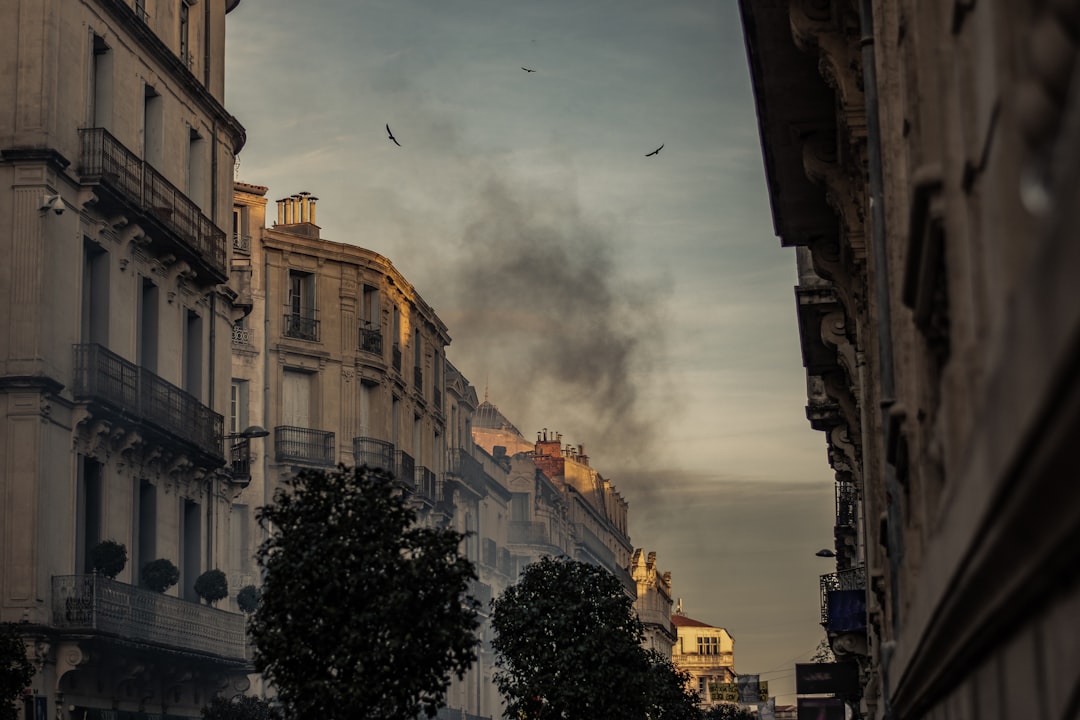
Wildfires have been raging in France, particularly affecting areas near Bordeaux's vineyards. These fires have already consumed an area four times the size of Paris, causing significant disruption and forcing hundreds of thousands of people to evacuate their homes.
Key facts
- The wildfires in France have burned an area four times the size of Paris.
- Hundreds of thousands of people have been displaced due to the fires.
- The fires are occurring near Bordeaux, a region known for its vineyards.
- The impact on the wine industry is a growing concern.
Background & context
France's wine industry is a cornerstone of its cultural and economic identity, with Bordeaux standing out as a globally recognized wine-producing region. Bordeaux's vineyards are celebrated for producing some of the world's most prestigious wines, contributing significantly to France's export economy. The region's unique terroir, a combination of soil, climate, and topography, is essential to the quality and character of its wines. However, this delicate balance is increasingly threatened by climate change, which has been linked to more frequent and severe weather events, including wildfires. The fires near Bordeaux underscore the vulnerability of agricultural sectors to environmental changes, raising questions about the sustainability of traditional wine production methods in the face of a warming climate.
Why it matters (for US readers)
The French wine industry holds a pivotal role in the global market, with Bordeaux wines being particularly esteemed by American consumers. Any disruption in Bordeaux's wine production can have ripple effects across the globe, influencing wine availability and prices in the United States. American wine enthusiasts and collectors often seek Bordeaux wines for their quality and investment potential. Thus, understanding the potential impact of these fires is crucial for US readers, as it highlights the interconnected nature of global agriculture and trade. Moreover, it serves as a reminder of the broader implications of climate change on international markets and consumer goods.
Stakeholders & viewpoints
- Vineyard Owners: They face immediate threats to their crops and long-term concerns about the viability of their vineyards. The destruction of vines can lead to years of lost production, affecting both small family-run vineyards and large estates.
- Local Residents: Many are dealing with displacement and the potential loss of homes and businesses. The fires disrupt daily life and pose challenges for community recovery and rebuilding efforts.
- Wine Industry Experts: These stakeholders are closely monitoring the situation to assess the impact on production volumes and market dynamics. They are also considering strategies for adaptation and resilience in the face of climate-related challenges.
- Environmental Groups: These organizations emphasize the role of climate change in increasing the frequency and intensity of wildfires. They advocate for stronger climate policies and sustainable agricultural practices to mitigate future risks.
Timeline & what to watch next
- Containment Efforts: Ongoing updates on the containment of the wildfires will be crucial. The effectiveness of firefighting efforts and weather conditions will play significant roles in determining the fires' duration and impact.
- Damage Assessments: Detailed evaluations of the damage to vineyards will inform recovery plans. These assessments will help determine the extent of the impact on wine production and the necessary steps for rehabilitation.
- Economic Impact Reports: Analyses of the fires' economic impact on the wine industry will provide insights into potential market shifts and financial losses. These reports will be essential for stakeholders planning for future contingencies.
- Climate Policy Developments: Observing any changes in climate policy and fire prevention strategies in France will be important. Such developments could influence international climate agreements and inspire similar actions in other countries.
Sources
Up Next