# Trump, Netanyahu to Discuss Iran Amid Tensions
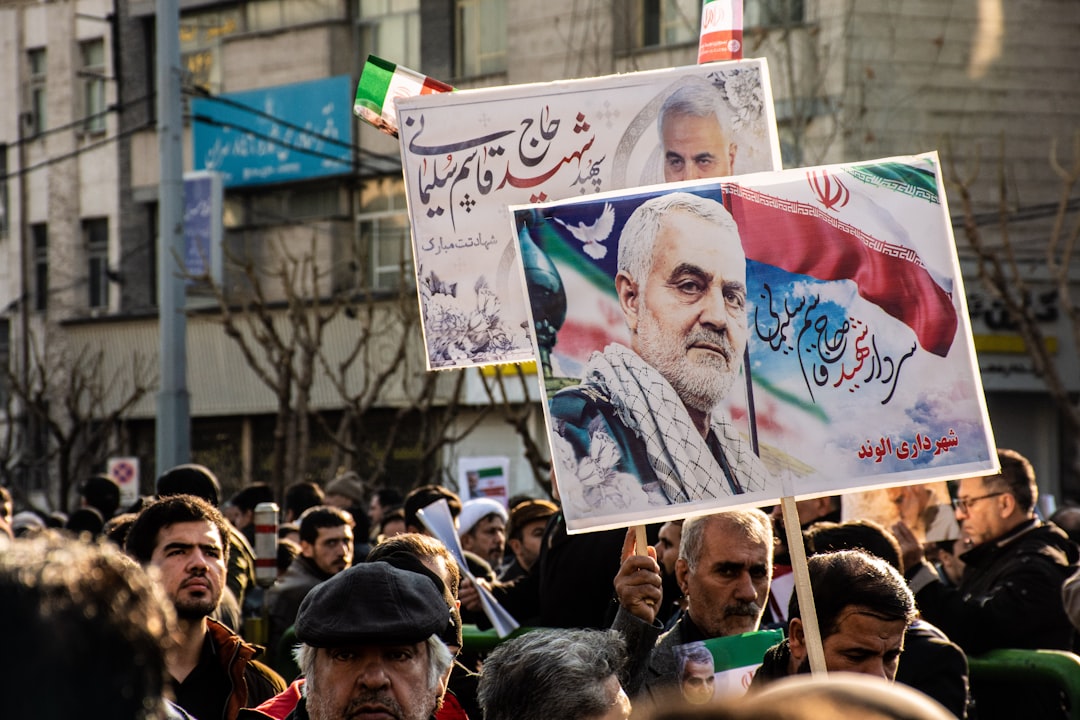
What happened
Former U.S. President Donald Trump is set to meet with Israeli Prime Minister Benjamin Netanyahu. This meeting comes as tensions between the United States and Iran remain high, with both nations currently refraining from military action. The discussions are taking place in the context of ongoing diplomatic efforts to reopen the Strait of Hormuz, a critical maritime passage.
Key facts
- Donald Trump is scheduled to meet with Israeli Prime Minister Benjamin Netanyahu.
- The meeting occurs amid a temporary cessation of hostilities between the U.S. and Iran.
- Diplomatic efforts are underway to reopen the Strait of Hormuz.
- The situation involves significant geopolitical interests, particularly for the U.S. and its allies.
Background & context
The Strait of Hormuz is one of the world's most strategically important chokepoints. Approximately a fifth of the world's petroleum passes through this narrow waterway, making it a focal point for global energy security. Historically, the strait has been a flashpoint in U.S.-Iran relations, with past incidents of military confrontations and threats to block the passage. The geopolitical landscape in the Middle East is complex, with longstanding rivalries and alliances shaping the region's dynamics. Iran's strategic location and its influence in the region have often brought it into conflict with U.S. interests. The U.S. has maintained a military presence in the region to protect its interests and those of its allies, particularly Israel and the Gulf states. Diplomatic efforts, such as the meeting between Trump and Netanyahu, aim to address these tensions and find pathways to stability.
Why it matters (for US readers)
For U.S. readers, the developments in the Middle East, particularly involving Iran and the Strait of Hormuz, are significant due to their potential impact on global oil prices and regional stability. The U.S. has longstanding strategic interests in the region, and any escalation could affect American foreign policy and economic conditions. The stability of oil prices is crucial for the global economy, and disruptions in the Strait of Hormuz could lead to increased energy costs worldwide. Moreover, the U.S. has a vested interest in preventing nuclear proliferation in the region. Iran's nuclear ambitions have been a point of contention, leading to international negotiations and agreements aimed at curbing its nuclear program. The outcome of diplomatic engagements can influence U.S. foreign policy decisions and military strategies.
Stakeholders & viewpoints
- United States: Interested in maintaining open navigation through the Strait of Hormuz and ensuring regional stability. The U.S. seeks to protect its economic interests and those of its allies while preventing nuclear proliferation.
- Iran: Seeks to assert its influence in the region while navigating international sanctions and diplomatic pressures. Iran's strategic goals include maintaining its sovereignty and expanding its regional influence.
- Israel: Concerned about regional security threats, particularly from Iran, and seeks strong alliances with the U.S. Israel views Iran's nuclear capabilities as a direct threat to its security.
- Global Community: Monitors the situation closely due to its potential impact on global energy markets and geopolitical stability. Countries dependent on Middle Eastern oil have a vested interest in the free flow of oil through the Strait of Hormuz.
Timeline & what to watch next
- Monitor the outcomes of the Trump-Netanyahu meeting for any shifts in diplomatic strategies. The meeting could lead to new initiatives or reinforce existing alliances.
- Watch for any announcements regarding the reopening of the Strait of Hormuz. Successful negotiations could ease tensions and stabilize oil markets.
- Keep an eye on U.S.-Iran relations and any changes in military postures or diplomatic engagements. Developments in these areas could signal shifts in regional dynamics and impact global security.
Sources
Up Next