Viking 1's Mars Landing: 50-Year Milestone
What happened
On July 20, 1976, Viking 1 became the first successful mission to land on Mars and send back data to Earth. This milestone in space exploration is being commemorated 50 years later.
Key facts
- Viking 1 was the first successful Mars lander, marking a significant achievement in space exploration.
- The mission faced challenges, including issues with code that affected its operations.
- The anniversary highlights the progress and challenges in space missions over the past five decades.
Background & context
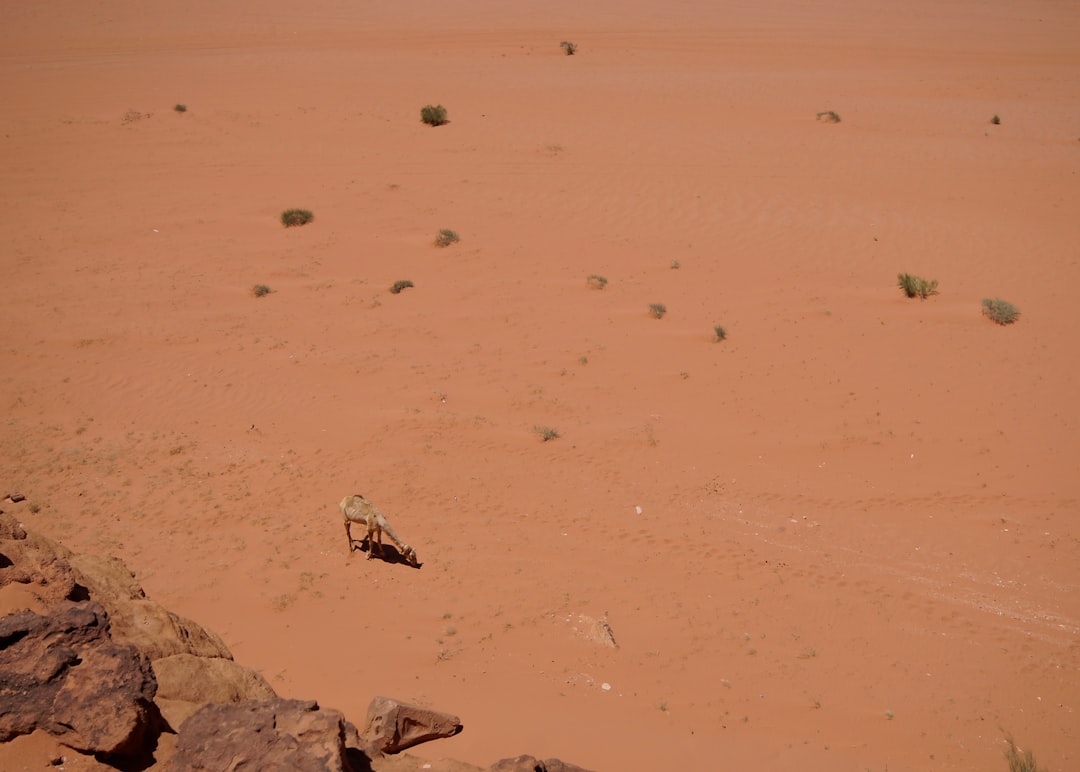
Viking 1 was part of NASA's ambitious Viking program, which was designed to explore Mars and search for signs of life. The program consisted of two spacecraft, Viking 1 and Viking 2, each with an orbiter and a lander. The mission's primary objectives were to obtain high-resolution images of the Martian surface, study the Martian atmosphere and surface, and search for evidence of life. Viking 1's successful landing provided the first detailed images of Mars, revealing a landscape that was both alien and familiar, with its red deserts and rocky terrain. The mission also conducted a series of experiments to analyze the planet's soil and atmosphere, which were crucial in understanding Mars' potential to support life. The data collected by Viking 1 helped scientists to better understand the Martian environment, laying the groundwork for future missions. The success of Viking 1 was a testament to the ingenuity and determination of the scientists and engineers at NASA, who overcame numerous technical challenges to achieve a historic first in space exploration.
Why it matters (for US readers)
The Viking 1 mission represents a significant achievement in American space exploration history. It set the stage for subsequent missions to Mars, including the Mars rovers and orbiters that have continued to expand our knowledge of the planet. The mission demonstrated the United States' capability to conduct complex interplanetary missions, reinforcing its leadership in space exploration during a time when the space race was a prominent aspect of geopolitical competition. The anniversary serves as a reminder of the technological advancements and scientific discoveries made possible by space exploration. It highlights the importance of continued investment in space science and technology, which not only furthers our understanding of the universe but also drives innovation and inspires future generations of scientists and engineers. The legacy of Viking 1 is evident in the ongoing exploration of Mars, which includes sophisticated rovers like Curiosity and Perseverance, as well as plans for future manned missions to the Red Planet.
Stakeholders & viewpoints
- NASA and the scientific community: Celebrate the achievements of Viking 1 and its contributions to Mars exploration. The mission is seen as a foundational success that has informed and inspired decades of subsequent research and exploration.
- Space enthusiasts and historians: Reflect on the mission's impact on space exploration and its legacy. Viking 1 is often cited as a pivotal moment in the history of space exploration, demonstrating the feasibility of landing on and studying other planets.
- General public: Gain insight into the challenges and successes of early Mars missions. The story of Viking 1 is one of perseverance and innovation, capturing the imagination of people around the world and fostering a sense of wonder about the possibilities of space exploration.
Timeline & what to watch next
- 1976: Viking 1 lands on Mars, marking a historic achievement. This event set a precedent for future Mars missions and expanded our understanding of the planet.
- 2026: 50th anniversary of the Viking 1 landing, sparking renewed interest in Mars exploration. This milestone is an opportunity to reflect on the progress made in space exploration and to look forward to future missions.
- Future Mars missions: Continued exploration and potential manned missions to Mars. NASA and other space agencies are actively working on plans for manned missions to Mars, which could happen within the next few decades. These missions aim to further explore the planet's potential for past or present life and to prepare for human settlement.
Sources
Up Next