# Stock Market Projections for 2026: Key Trends
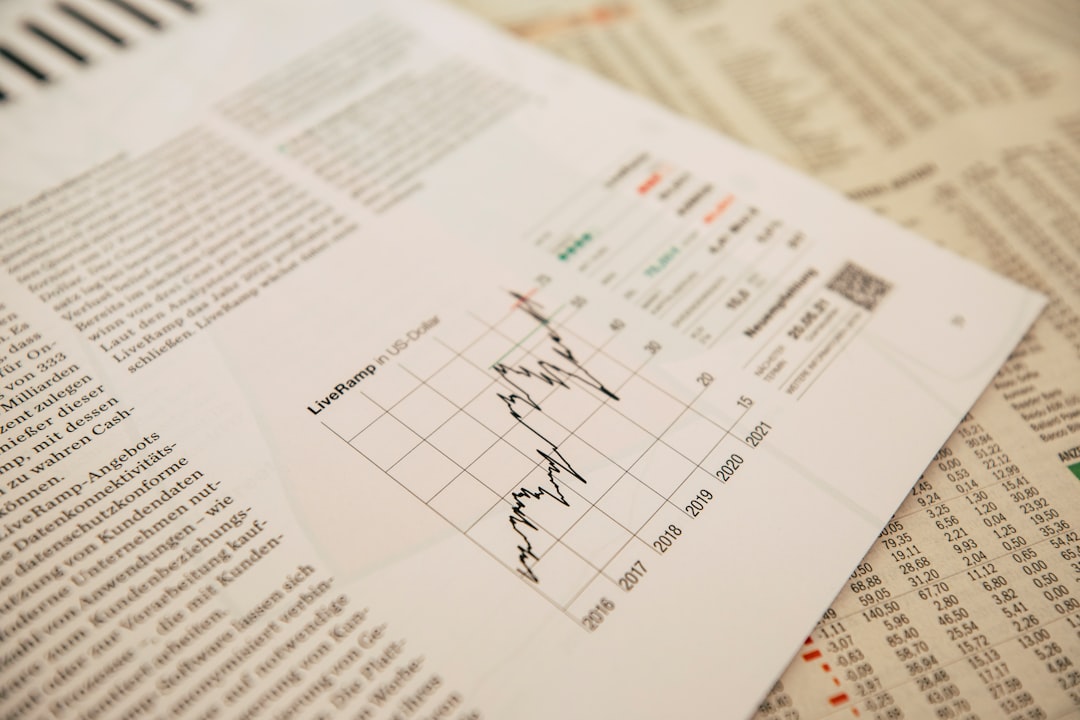
What happened
CNN has published an article discussing the potential outlook for the stock market in 2026, particularly focusing on whether the S&P 500 will continue its trend of double-digit gains for a fourth consecutive year.
Key facts
- The S&P 500 has achieved three consecutive years of double-digit gains.
- The article speculates on the possibility of a fourth consecutive year of similar performance in 2026.
- The analysis is provided by CNN, a major news source.
- The article was published on January 1, 2026.
Background & context
The S&P 500 is a stock market index that measures the stock performance of 500 large companies listed on stock exchanges in the United States. It is widely regarded as one of the best representations of the U.S. stock market and economy. Historically, the stock market can experience periods of both growth and decline, influenced by a variety of factors including economic conditions, interest rates, and global events. The recent trend of double-digit gains suggests a period of strong market performance. Such gains can be attributed to factors like corporate earnings growth, favorable economic policies, and investor confidence. However, the stock market is inherently volatile and subject to fluctuations due to unforeseen events such as geopolitical tensions, changes in fiscal policy, or shifts in consumer behavior. Understanding these dynamics is crucial for investors aiming to navigate the complexities of the market.
Why it matters (for US readers)
For U.S. investors and those with retirement savings tied to the stock market, understanding potential trends in the S&P 500 is crucial. The performance of this index can have significant implications for personal wealth, investment strategies, and economic confidence. A continuation of the current trend could mean further growth in investment portfolios, while any deviation might require strategic adjustments. The S&P 500's performance is often seen as a barometer of the U.S. economy's health. A strong market can boost consumer confidence, leading to increased spending and investment. Conversely, a downturn might signal caution, affecting everything from job growth to government policy decisions. For individual investors, especially those nearing retirement, the stakes are high as they rely on these investments for future financial security.
Stakeholders & viewpoints
- Investors: Individuals and institutional investors are keenly interested in the performance of the S&P 500 as it impacts their investment returns. They must weigh the risks and rewards of maintaining or adjusting their portfolios based on market forecasts.
- Financial Analysts: Analysts provide insights and predictions that help guide investment decisions. Their assessments can influence market sentiment and investor behavior.
- Economists: They monitor stock market trends as indicators of broader economic health. Economic forecasts often incorporate stock market performance as a key variable.
- Policy Makers: Government and regulatory bodies may consider stock market performance when crafting economic policies. A thriving market can support policy initiatives aimed at economic growth, while a struggling market might prompt interventions to stabilize the economy.
Timeline & what to watch next
- 2026: Monitor quarterly earnings reports and economic indicators for signs of continued growth or potential downturns. Earnings reports provide insights into corporate health and can influence investor confidence.
- Federal Reserve Meetings: Interest rate decisions could impact market performance. The Federal Reserve's monetary policy, particularly interest rate adjustments, can affect borrowing costs, consumer spending, and investment flows.
- Global Economic Events: Watch for international developments that could influence U.S. markets. Trade agreements, geopolitical tensions, and global economic shifts can have ripple effects on the U.S. stock market. Investors should remain vigilant, keeping an eye on both domestic and international developments that could impact market dynamics. By staying informed and adaptable, they can better position themselves to navigate the uncertainties of the stock market in 2026.
Sources
Up Next
