STEM Initiatives Shaping Future Innovation (2026)
Introduction
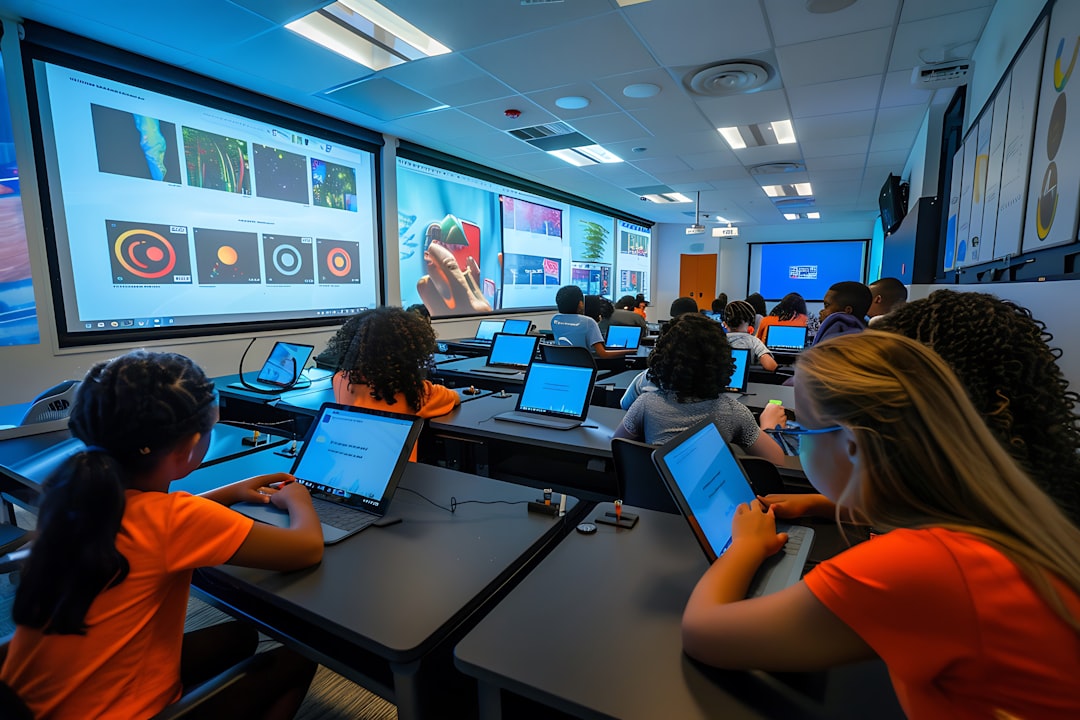
Science, Technology, Engineering, and Mathematics (STEM) initiatives are pivotal in shaping the future of innovation. These programs aim to equip students and professionals with the skills necessary to thrive in a rapidly evolving technological landscape. By fostering critical thinking, creativity, and problem-solving abilities, STEM education is crucial for maintaining the United States' competitive edge in the global economy.
Key Points
- STEM Education's Role: STEM education is essential for preparing students for high-demand careers in technology and science sectors. It encourages analytical thinking and practical application of knowledge.
- Economic Impact: STEM fields are significant contributors to the US economy, driving innovation and creating job opportunities. The Bureau of Labor Statistics projects that STEM occupations will grow by 8% from 2019 to 2029, faster than the average for all occupations.
- Diversity and Inclusion: Increasing diversity in STEM fields is a priority. Initiatives aim to bridge the gender and racial gaps, ensuring that underrepresented groups have access to STEM education and careers.
- Government and Private Sector Collaboration: Both sectors are investing in STEM programs to develop a skilled workforce. This collaboration is crucial for sustaining long-term economic growth and technological advancement.
- Technological Advancements: STEM initiatives are at the forefront of technological innovation, driving advancements in fields such as artificial intelligence, biotechnology, and renewable energy.
Step-by-Step
- Identify Key STEM Programs: Research and list prominent STEM initiatives at local, state, and national levels. This includes programs in schools, universities, and community organizations.
- Engage with Educational Institutions: Partner with schools and universities to promote STEM education. This can involve guest lectures, workshops, and mentorship programs.
- Promote Diversity in STEM: Implement strategies to increase participation from underrepresented groups. This can include scholarships, outreach programs, and partnerships with minority-serving institutions.
- Leverage Technology: Utilize online platforms and digital tools to enhance STEM learning. Virtual labs, coding boot camps, and online courses can make STEM education more accessible.
- Foster Industry Partnerships: Encourage collaboration between educational institutions and industries. Internships, co-op programs, and industry-sponsored research projects can provide practical experience.
- Evaluate and Adapt Programs: Regularly assess the effectiveness of STEM initiatives. Use feedback and data to refine programs and ensure they meet current and future workforce needs.
- Secure Funding and Resources: Identify funding opportunities from government grants, private foundations, and corporate sponsorships to support STEM programs.
Common Mistakes & Fixes
- Lack of Early Exposure: Many students are not introduced to STEM subjects early enough. Fix this by integrating STEM activities in elementary education to spark interest from a young age.
- Insufficient Teacher Training: Teachers may lack the necessary skills to effectively teach STEM subjects. Provide professional development and training programs to enhance their capabilities.
- Overemphasis on Theory: STEM education can be too focused on theoretical knowledge. Incorporate hands-on projects and real-world applications to make learning more engaging and relevant.
- Ignoring Soft Skills: STEM programs often overlook the importance of soft skills like communication and teamwork. Integrate these skills into the curriculum to produce well-rounded graduates.
- Limited Access to Resources: Schools in underserved areas may lack access to STEM resources. Address this by advocating for equitable distribution of funding and materials.
US Examples & Data
- Project Lead The Way (PLTW): A nonprofit organization that provides transformative learning experiences for K-12 students and teachers across the US. PLTW offers pathways in computer science, engineering, and biomedical science.
- FIRST Robotics Competition: An international high school robotics competition that encourages students to pursue careers in STEM fields. It combines the excitement of sport with the rigors of science and technology.
- NSF's STEM Education Initiatives: The National Science Foundation (NSF) funds numerous programs aimed at improving STEM education and increasing participation from underrepresented groups.
- Bureau of Labor Statistics Data: According to the BLS, STEM occupations had a median annual wage of $89,780 in 2020, compared to $40,020 for non-STEM occupations, highlighting the economic benefits of STEM careers.
Why It Matters
STEM initiatives are crucial for fostering innovation and maintaining the United States' position as a global leader in technology and science. By investing in STEM education, the US can ensure a steady pipeline of skilled workers ready to tackle the challenges of the future. Furthermore, promoting diversity within STEM fields enriches the talent pool and drives inclusive growth, benefiting society as a whole.
Sources
- National Science Foundation (NSF)
- Bureau of Labor Statistics (BLS)
- Project Lead The Way (PLTW)
- FIRST Robotics Competition
- National Center for Education Statistics (NCES)
Related Topics
- The Role of Technology in Modern Education
- Addressing the Gender Gap in STEM Fields
- The Impact of Artificial Intelligence on Job Markets
- Renewable Energy Innovations and STEM
- The Future of Biotechnology and Healthcare
Up Next
