Social Media's Impact on Modern Communication (2026)
Introduction
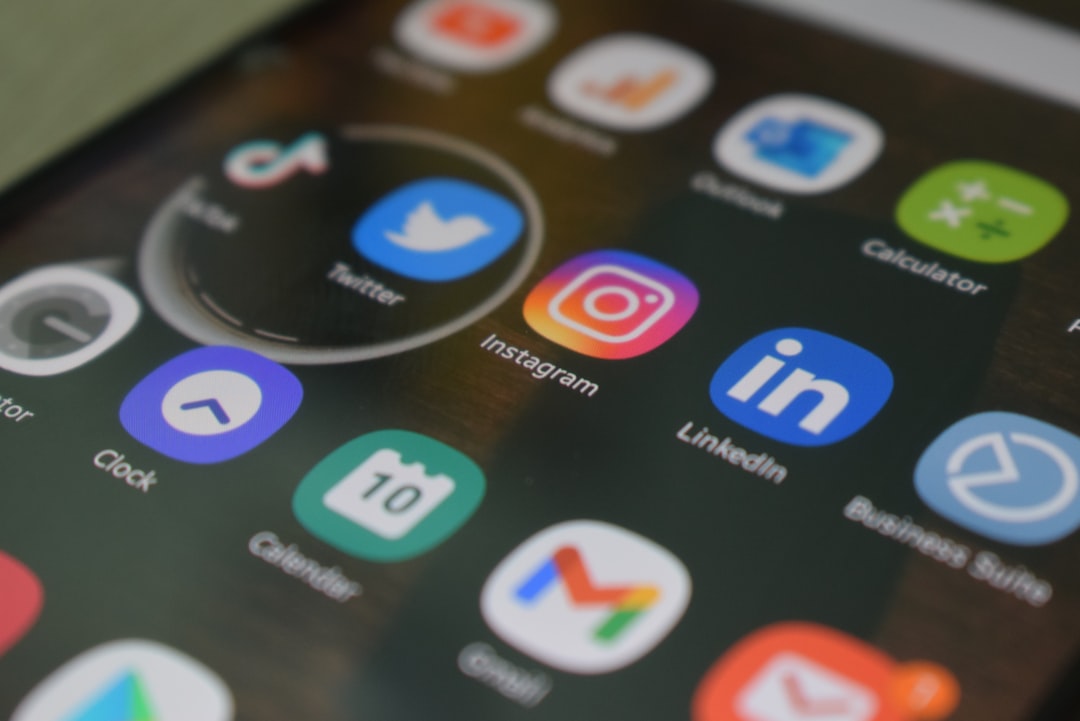
Social media has become an integral part of daily life, influencing how individuals and organizations communicate. Platforms like Facebook, Twitter, Instagram, and TikTok have transformed traditional communication methods, offering new ways to connect, share information, and engage with content. This article examines the multifaceted impact of social media on modern communication, highlighting key changes, frameworks, and practical considerations.
Key Points
- Increased Connectivity: Social media allows people to connect globally, transcending geographical boundaries. This connectivity facilitates real-time communication and the exchange of ideas across cultures.
- Information Dissemination: Platforms serve as major channels for news and information, often breaking stories faster than traditional media. This rapid dissemination can influence public opinion and awareness.
- User-Generated Content: Social media empowers users to create and share content, giving rise to diverse voices and perspectives. This democratization of content creation challenges traditional media hierarchies.
- Influence on Language: The brevity and informality of social media communication have introduced new linguistic norms, including abbreviations, emojis, and memes, which shape modern language use.
- Privacy Concerns: The sharing of personal information on social media raises significant privacy issues, with implications for data security and user consent.
- Mental Health Implications: The pervasive nature of social media can affect mental health, contributing to issues like anxiety, depression, and social comparison.
Framework
To understand the impact of social media on communication, consider the following framework: - Platform Dynamics: Each social media platform has unique features and user demographics that influence communication styles and content types. - Cultural Context: Social media usage varies across cultures, affecting how communication is perceived and enacted globally. - Technological Advancements: Innovations in technology, such as algorithms and artificial intelligence, shape the way content is curated and consumed on social media. - Regulatory Environment: Government regulations and platform policies impact how social media is used and what content is permissible. - User Behavior: The ways in which individuals interact with social media, including frequency of use and engagement patterns, influence communication outcomes.
Checklist
- Evaluate the credibility of information before sharing on social media.
- Be mindful of privacy settings and data sharing practices.
- Consider the cultural context when communicating with a global audience.
- Stay informed about platform policies and regulations.
- Balance social media use with offline interactions to maintain mental well-being.
- Use diverse content formats (text, images, video) to enhance communication.
- Engage with a variety of perspectives to broaden understanding.
- Monitor the impact of social media on personal mental health.
- Encourage constructive dialogue and respectful interactions.
- Stay updated on technological changes affecting social media platforms.
US Examples & Data
- Pew Research Center reports that as of 2021, 72% of Americans use social media, with Facebook being the most popular platform. This widespread use underscores social media's role in shaping communication norms.
- The American Psychological Association highlights the mental health impacts of social media, noting that excessive use can lead to increased feelings of loneliness and depression, particularly among adolescents.
- Statista data shows that in 2022, the average daily time spent on social media by US adults was approximately 2 hours and 14 minutes, indicating the significant role these platforms play in daily communication.
Why It Matters
Understanding the impact of social media on communication is crucial for navigating the modern digital landscape. As these platforms continue to evolve, they will likely play an even more significant role in shaping societal norms, influencing public discourse, and affecting individual well-being. By recognizing both the opportunities and challenges presented by social media, individuals and organizations can make informed decisions about how to engage with these platforms effectively and responsibly.
Sources
- Pew Research Center: Social Media Use in 2021
- American Psychological Association: The Impact of Social Media on Mental Health
- Statista: Average Daily Time Spent on Social Media
Related Topics
- The Role of Algorithms in Social Media
- Privacy and Data Security in the Digital Age
- The Influence of Social Media on Political Discourse
- Social Media and Youth: Opportunities and Challenges
- The Evolution of Digital Communication Tools
Up Next