Smartphones Decline: What's Next for Communication?
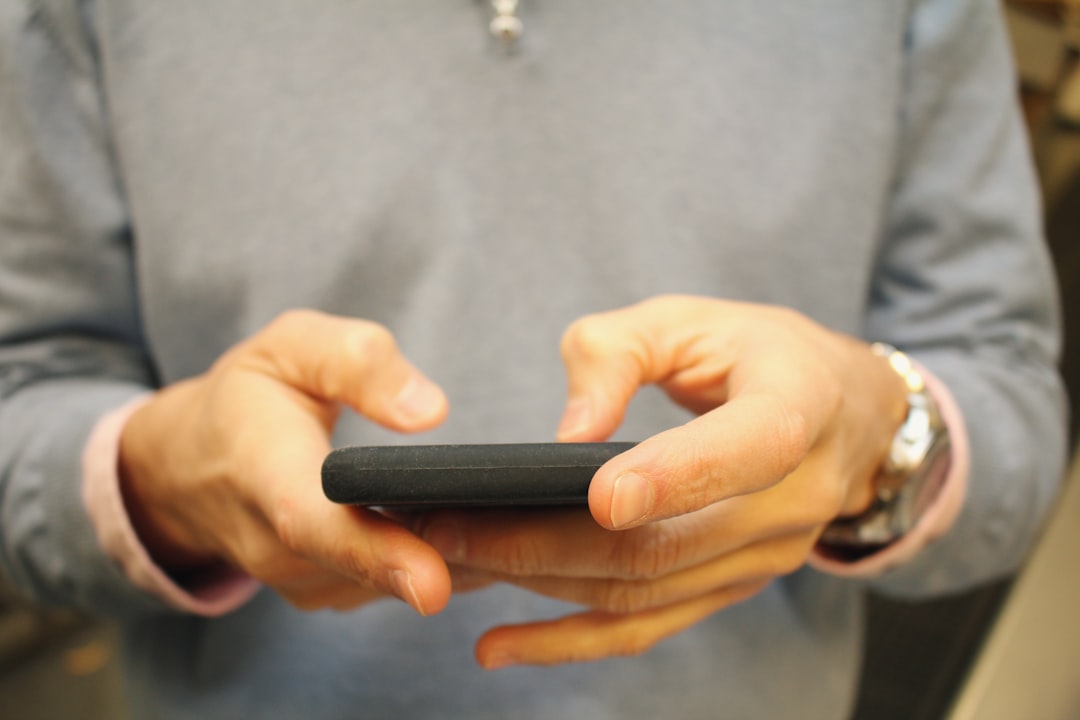
What happened
A TechCrunch article discusses the potential decline of smartphones, particularly iPhones, over the next decade. The piece features a statement from Callaghan, suggesting a significant shift in technology usage within the next five to ten years.
Key facts
- The article is published by TechCrunch.
- It includes a quote from Callaghan predicting the decline of iPhone usage.
- The publication date is December 31, 2025.
- The article explores the future of technology beyond smartphones.
Background & context
Smartphones, particularly iPhones, have been a dominant force in personal technology for over a decade. They have revolutionized communication, entertainment, and access to information. The introduction of the iPhone in 2007 marked a significant shift in how people interact with technology, leading to the development of a vast ecosystem of apps and services. However, technology is constantly evolving, and new innovations often replace older ones. The discussion around the potential decline of smartphones reflects ongoing speculation about what the next major technological shift might be. Emerging technologies such as augmented reality (AR), virtual reality (VR), and wearable devices are often cited as potential successors to the smartphone era. These technologies promise to offer more immersive and integrated experiences, potentially changing how people interact with digital content and each other.
Why it matters (for US readers)
For US readers, the potential decline of smartphones could signal a significant change in daily life and consumer habits. As smartphones are integral to communication, work, and entertainment, any shift away from them could impact various industries and societal norms. The smartphone has become a central hub for managing personal and professional lives, from scheduling and email to social media and gaming. A transition to new technologies could redefine these interactions, influencing everything from how people communicate to how businesses operate. Understanding these potential changes can help individuals and businesses prepare for future technological landscapes. For instance, industries such as telecommunications, app development, and consumer electronics may need to adapt their strategies to align with new consumer preferences and technological capabilities.
Stakeholders & viewpoints
- Tech Industry: Companies in the tech industry may need to innovate and adapt to new consumer demands if smartphones decline. This could involve investing in research and development for emerging technologies like AR, VR, and AI. Tech companies that successfully anticipate and respond to these shifts could gain a competitive advantage in the market.
- Consumers: Individuals may experience changes in how they interact with technology and access information. The transition to new devices or platforms could offer enhanced functionalities but may also require users to adapt to new interfaces and ways of interacting with technology. This shift could also affect privacy and data security considerations, as new technologies may introduce different risks and challenges.
- Investors: Those investing in technology may need to consider the implications of shifting consumer preferences and emerging technologies. Investment strategies may need to focus on companies that are leading innovation in new areas, such as wearable technology or immersive media. Understanding market trends and consumer behavior will be crucial for making informed investment decisions.
Timeline & what to watch next
- 2025: The article is published, highlighting predictions about the future of smartphones.
- Next 5-10 years: Monitor technological advancements and shifts in consumer behavior that could support or refute the predictions made in the article. Key areas to watch include the development and adoption of AR and VR technologies, as well as advancements in AI and machine learning that could enhance user experiences.
- Emerging Technologies: Keep an eye on new devices or platforms that could replace smartphones in daily use. This includes innovations in wearable technology, such as smart glasses or advanced fitness trackers, and the integration of AI into everyday devices. The evolution of smart home technology and the Internet of Things (IoT) could also play a role in shaping the future landscape of personal technology.
Sources
Up Next
