New Medical Technologies Improving Diagnosis Accuracy (2026)
Introduction
The field of medical diagnostics is undergoing a transformative phase, driven by technological advancements that promise to improve the accuracy of disease detection and patient outcomes. These innovations are not only enhancing the precision of diagnoses but also enabling earlier detection of conditions, which is crucial for effective treatment. This article explores the latest technologies that are reshaping the landscape of medical diagnostics.
Key Points
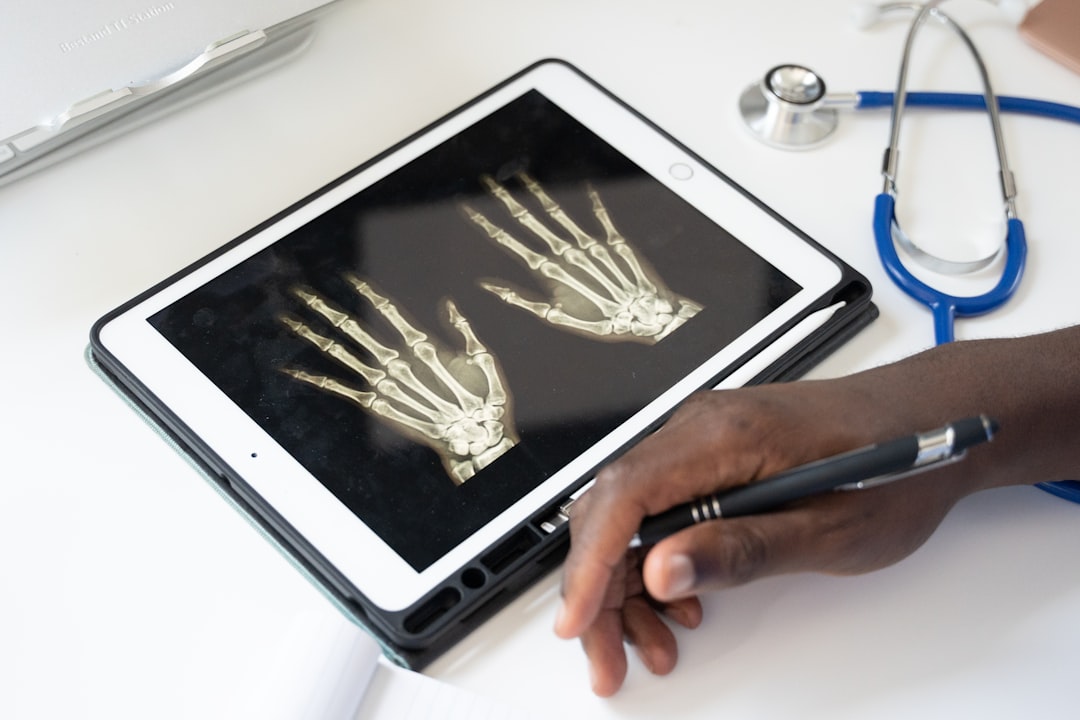
- Artificial Intelligence (AI) and Machine Learning: AI algorithms are being used to analyze medical images, such as X-rays and MRIs, with a level of accuracy that often surpasses human capabilities. These technologies help in identifying patterns and anomalies that might be missed by the human eye.
- Genomic Sequencing: Advances in genomic sequencing have made it possible to identify genetic predispositions to certain diseases. This technology allows for personalized medicine approaches, tailoring treatments based on an individual's genetic makeup.
- Wearable Health Technology: Devices like smartwatches and fitness trackers are equipped with sensors that monitor vital signs in real-time. These wearables can detect irregularities such as arrhythmias, providing early warnings of potential health issues.
- Point-of-Care Testing (POCT): Portable diagnostic devices enable healthcare providers to conduct tests at the patient's bedside, offering immediate results. This is particularly beneficial in emergency situations where time is of the essence.
- Telemedicine and Remote Monitoring: The integration of telemedicine with diagnostic tools allows for remote patient monitoring, reducing the need for in-person visits and facilitating continuous health assessment.
Quick Q&A
- What is the role of AI in medical diagnostics?
AI assists in analyzing complex medical data, improving the accuracy and speed of diagnoses. - How does genomic sequencing contribute to diagnosis?
It helps identify genetic markers for diseases, allowing for personalized treatment plans. - What are the benefits of wearable health technology?
Wearables provide continuous monitoring of health metrics, aiding in early detection of issues. - What is point-of-care testing?
POCT refers to medical testing conducted at or near the site of patient care, offering rapid results. - How does telemedicine improve diagnostic accuracy?
It enables remote monitoring and consultation, ensuring timely intervention and follow-up. - Are these technologies widely accessible?
While adoption is growing, access can vary based on geographic and economic factors. - What are the challenges associated with these technologies?
Challenges include data privacy concerns, the need for regulatory approval, and integration with existing systems. - How do these technologies impact healthcare costs?
They have the potential to reduce costs by preventing complications and hospitalizations through early detection.
Deeper Dive
Artificial Intelligence and Machine Learning
AI and machine learning have revolutionized the field of radiology. Algorithms trained on vast datasets can detect abnormalities in imaging studies with high precision. For instance, AI systems can identify early signs of cancer in mammograms or lung nodules in CT scans, often with greater accuracy than human radiologists. These technologies are also being used in pathology to analyze tissue samples, enhancing the detection of cancerous cells.
Genomic Sequencing
The cost of sequencing a human genome has decreased significantly, making it more accessible for clinical use. Genomic sequencing is particularly valuable in diagnosing rare genetic disorders and guiding cancer treatment. By understanding the genetic mutations driving a patient's cancer, oncologists can choose targeted therapies that are more likely to be effective.
Wearable Health Technology
Wearable devices have evolved beyond simple step counters to sophisticated health monitors. They can track heart rate, sleep patterns, and even blood oxygen levels. Some devices are capable of performing electrocardiograms (ECGs) and detecting atrial fibrillation, a common heart rhythm disorder. This continuous monitoring allows for the early detection of potential health issues, prompting timely medical intervention.
Point-of-Care Testing
POCT devices are compact and easy to use, providing rapid diagnostic results. They are particularly useful in rural or underserved areas where access to traditional laboratory facilities may be limited. Common POCT applications include blood glucose testing for diabetes management and rapid tests for infectious diseases like COVID-19 and influenza.
Telemedicine and Remote Monitoring
Telemedicine platforms have integrated diagnostic tools that allow healthcare providers to monitor patients remotely. This is particularly beneficial for managing chronic conditions such as hypertension and diabetes, where regular monitoring is essential. Remote monitoring devices can transmit data to healthcare providers in real-time, facilitating prompt adjustments to treatment plans.
US Examples & Data
- AI in Radiology: The FDA has approved several AI-based tools for radiology, including those developed by companies like Zebra Medical Vision and Aidoc. These tools are used in hospitals across the US to enhance diagnostic accuracy.
- Genomic Sequencing: The National Institutes of Health (NIH) supports initiatives like the All of Us Research Program, which aims to gather genetic data from diverse populations to improve personalized medicine.
- Wearable Technology: According to a report by the Pew Research Center, approximately 21% of US adults regularly use a smartwatch or fitness tracker, highlighting the growing adoption of wearable health technology.
- Point-of-Care Testing: The COVID-19 pandemic accelerated the use of POCT, with rapid antigen tests becoming a staple in managing the spread of the virus.
- Telemedicine: A study by the American Medical Association found that telehealth visits increased by over 4000% during the pandemic, underscoring its importance in modern healthcare.
Why It Matters
The integration of new medical technologies into diagnostic practices is crucial for improving patient outcomes. Accurate and early diagnosis can significantly enhance the effectiveness of treatment, reduce healthcare costs, and improve quality of life. These technologies also offer the potential to democratize healthcare by making advanced diagnostic tools accessible to a broader population, including those in remote or underserved areas.
Sources
- National Institutes of Health (NIH)
- U.S. Food and Drug Administration (FDA)
- Centers for Disease Control and Prevention (CDC)
- American Medical Association (AMA)
- Pew Research Center
Related Topics
- The Role of Big Data in Healthcare
- Advances in Telehealth Technologies
- The Impact of Genomics on Personalized Medicine
- Ethical Considerations in AI-Driven Diagnostics
Up Next
