How Civil Rights Shaped Modern U.S. Society
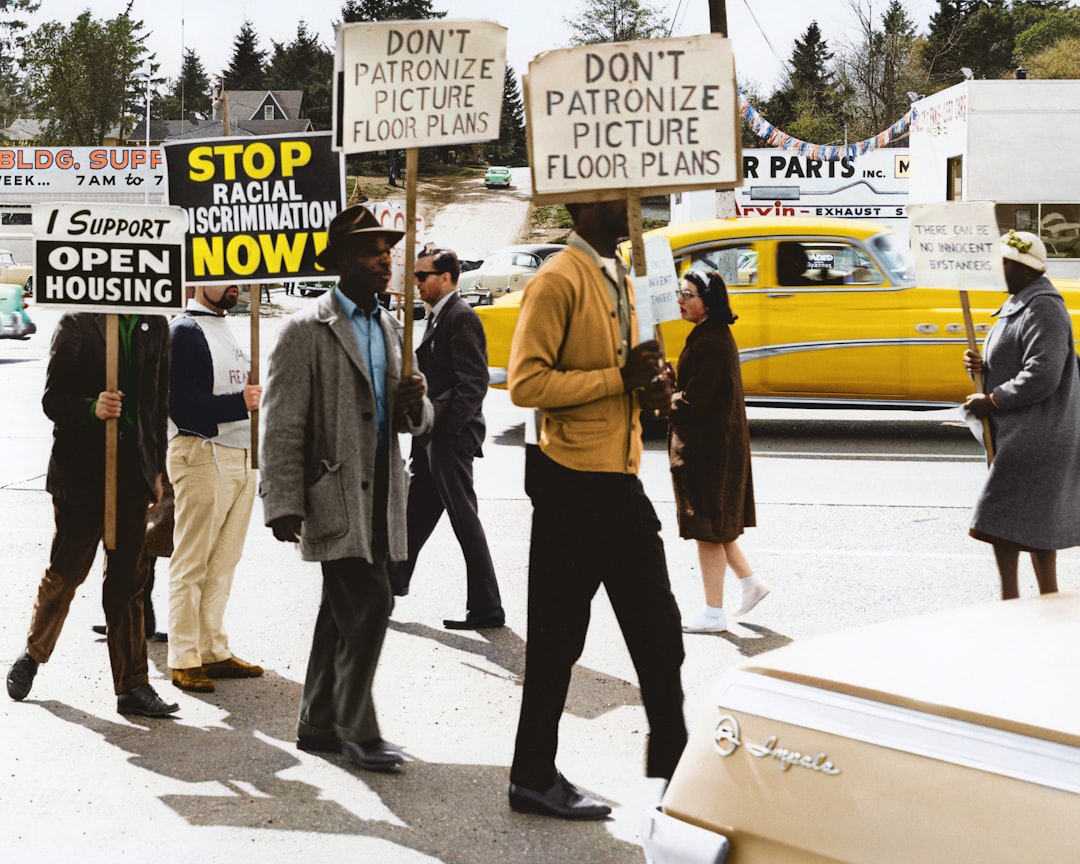
Introduction
The Civil Rights Movement, a pivotal era in American history, spanned the 1950s and 1960s and aimed to end racial segregation and discrimination against African Americans. Its legacy continues to influence modern America, shaping social, political, and legal landscapes. This article examines the movement's impact on contemporary society, highlighting key achievements and ongoing challenges.
Key Points
- Legislative Achievements: The Civil Rights Movement led to landmark legislation, including the Civil Rights Act of 1964 and the Voting Rights Act of 1965, which dismantled legal segregation and ensured voting rights for African Americans.
- Social Change: The movement fostered a cultural shift towards greater acceptance and integration, challenging long-standing racial prejudices and inspiring subsequent movements for equality.
- Economic Opportunities: Efforts to dismantle systemic barriers opened new economic opportunities for African Americans, contributing to a growing black middle class.
- Education and Desegregation: The movement's push for educational equality led to the desegregation of schools, although disparities in educational resources persist.
- Ongoing Challenges: Despite significant progress, racial disparities in income, education, and criminal justice remain, highlighting the need for continued advocacy and reform.
Quick Q&A
- What was the Civil Rights Movement?
A social and political movement in the 1950s and 1960s aimed at ending racial segregation and discrimination against African Americans. - What are the Civil Rights Act and the Voting Rights Act?
Landmark laws passed in 1964 and 1965, respectively, that prohibited discrimination and protected voting rights for minorities. - How did the movement impact education?
It led to the desegregation of schools, although educational disparities still exist. - What economic changes resulted from the movement?
It opened up new job opportunities and contributed to the growth of the black middle class. - Are there still racial disparities in the US?
Yes, disparities persist in areas like income, education, and criminal justice. - How does the movement influence modern activism?
It serves as a blueprint for contemporary social justice movements advocating for equality. - What role did nonviolent protest play?
Nonviolent protests were central to the movement, drawing national attention and support for civil rights issues. - Who were key figures in the movement?
Leaders like Martin Luther King Jr., Rosa Parks, and Malcolm X played pivotal roles in advancing civil rights.
Deeper Dive
The Civil Rights Movement's success was largely due to its strategic use of nonviolent protest and legal challenges. Organizations like the NAACP and leaders such as Martin Luther King Jr. emphasized peaceful demonstrations, which garnered widespread media attention and public sympathy. The movement's legal victories, such as the Brown v. Board of Education decision, set important precedents for dismantling segregation. The movement also inspired other marginalized groups to fight for their rights, including women, LGBTQ+ individuals, and immigrants. The strategies and rhetoric developed during the Civil Rights Movement continue to influence modern advocacy efforts, underscoring the enduring power of grassroots activism.
US Examples & Data
- Legislation: The Civil Rights Act of 1964 and the Voting Rights Act of 1965 remain foundational to anti-discrimination laws in the United States.
- Economic Data: According to the U.S. Census Bureau, the median income for African American households has increased significantly since the 1960s, though it still lags behind that of white households.
- Education: Data from the National Center for Education Statistics shows improvements in high school graduation rates for African Americans, yet gaps in college attainment persist.
- Criminal Justice: The Sentencing Project reports that African Americans are incarcerated at more than five times the rate of white Americans, highlighting ongoing racial disparities in the justice system.
Why It Matters
Understanding the Civil Rights Movement's impact is crucial for recognizing the progress made and the challenges that remain in achieving racial equality. The movement's legacy informs current debates on social justice, influencing policies and public attitudes. By examining this history, Americans can better appreciate the importance of continued advocacy and reform in addressing systemic inequalities.
Sources
- National Archives - Civil Rights Act of 1964
- U.S. Department of Justice - Voting Rights Act
- U.S. Census Bureau - Income and Poverty in the United States
- National Center for Education Statistics
- The Sentencing Project - Report on Racial Disparities
Related Topics
- The Role of Women in the Civil Rights Movement
- The Impact of the Voting Rights Act on American Politics
- The Legacy of Martin Luther King Jr.
- The Intersection of Civil Rights and LGBTQ+ Movements
- The History of School Desegregation in the United States
Up Next
