Create a Calm Space with Minimalist Design
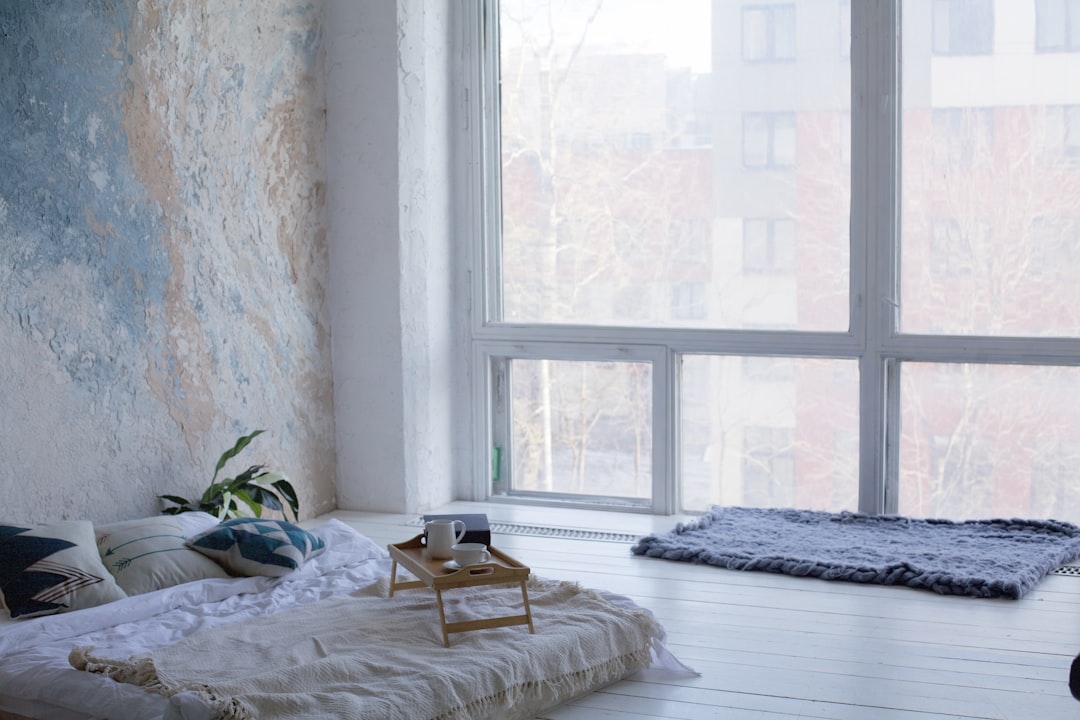
Introduction
In today's fast-paced world, many people are turning to minimalist home setups as a way to reduce stress and create a more peaceful living environment. By focusing on simplicity and functionality, minimalism can help eliminate clutter and distractions, allowing for a more serene and focused lifestyle. This article explores the key principles of minimalist home setups, provides practical steps for implementation, and highlights common mistakes to avoid.
Key Points
- Simplicity and Functionality: Minimalist home setups prioritize simplicity and functionality, focusing on essential items that serve a purpose.
- Clutter Reduction: By reducing clutter, minimalism helps create a more organized and visually appealing space, which can decrease stress levels.
- Mindful Living: Minimalism encourages mindful living by promoting intentional choices about what to keep and what to discard.
- Improved Focus and Productivity: A minimalist environment can enhance focus and productivity by reducing distractions.
- Sustainability: Minimalism often aligns with sustainable living practices, as it encourages reducing consumption and waste.
Step-by-Step
- Declutter Your Space: Begin by sorting through your belongings and deciding what is essential. Donate, recycle, or discard items that no longer serve a purpose or bring joy.
- Choose a Neutral Color Palette: Opt for neutral colors like whites, grays, and beiges to create a calm and cohesive look. These colors can make spaces appear larger and more open.
- Invest in Multi-functional Furniture: Select furniture that serves multiple purposes, such as a sofa bed or a coffee table with storage. This reduces the need for additional pieces and maximizes space.
- Embrace Open Spaces: Arrange furniture to create open pathways and avoid overcrowding. This enhances the flow of the room and makes it feel more spacious.
- Limit Decorative Items: Choose a few meaningful decorative items rather than cluttering surfaces with numerous objects. This maintains a clean and organized appearance.
- Incorporate Natural Elements: Use plants, wooden accents, and natural light to bring warmth and life into your home. These elements can improve mood and air quality.
- Establish a Routine for Maintenance: Regularly assess your space to ensure it remains clutter-free. Develop habits like tidying up daily and reassessing belongings seasonally.
Common Mistakes & Fixes
- Over-Purging: Some people discard too much, losing items they later need. To avoid this, store questionable items temporarily before making a final decision.
- Ignoring Personal Style: Minimalism doesn't mean sacrificing personal style. Incorporate elements that reflect your personality within the minimalist framework.
- Neglecting Functionality: Aesthetic should not override functionality. Ensure that each item serves a practical purpose and fits your lifestyle needs.
- Failing to Maintain: Minimalism requires ongoing effort. Set regular intervals to reassess and reorganize to prevent clutter from accumulating again.
US Examples & Data
Minimalism has gained popularity in the United States, with many individuals and families adopting this lifestyle to combat stress and improve well-being. According to a survey by the Pew Research Center, a significant number of Americans report feeling overwhelmed by the amount of clutter in their homes. Additionally, the National Association of Productivity and Organizing Professionals (NAPO) highlights that organized spaces can lead to improved mental health and productivity.
Why It Matters
Adopting a minimalist home setup can have profound effects on mental health and overall well-being. By reducing physical clutter, individuals often experience a decrease in mental clutter, leading to lower stress levels and increased focus. Moreover, minimalism aligns with sustainable living practices, encouraging mindful consumption and reducing environmental impact.
Sources
- Pew Research Center
- National Association of Productivity and Organizing Professionals (NAPO)
- American Psychological Association (APA)
- US Environmental Protection Agency (EPA)
- National Institutes of Health (NIH)
Related Topics
- Sustainable Living Practices
- Mindfulness and Mental Health
- Home Organization Techniques
- The Psychology of Clutter
- Eco-Friendly Home Design
Up Next
