# Compare Your County's Vaccination Trends
What happened
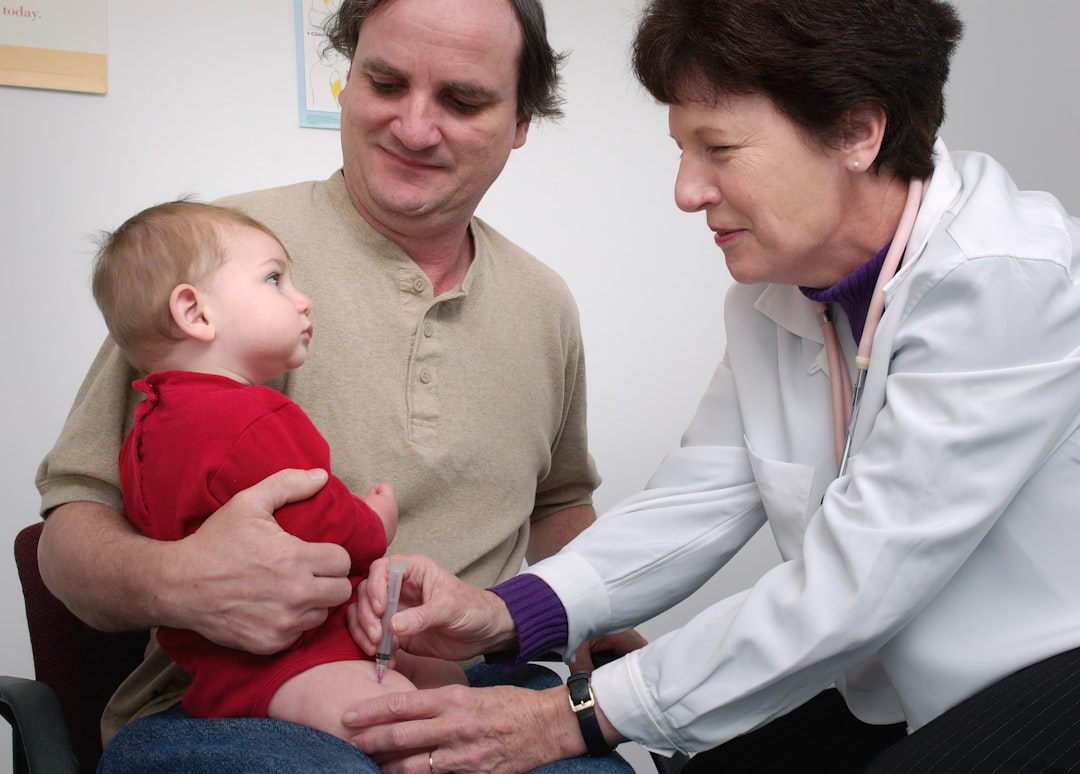
Vaccination rates have dropped significantly across the United States, contributing to an increase in measles cases. This trend has raised concerns about public health and the potential for outbreaks of vaccine-preventable diseases.
Key facts
- Vaccination rates have decreased nationwide.
- The decline in vaccination rates is associated with a rise in measles cases.
- The report was published by Axios on December 31, 2025.
Background & context
Vaccination is a cornerstone of public health, crucial for controlling the spread of infectious diseases. The measles, mumps, and rubella (MMR) vaccine is a well-established method for preventing these diseases, particularly measles, which is highly contagious. Measles can lead to severe complications such as pneumonia, encephalitis, and even death, especially in young children and immunocompromised individuals. In recent years, vaccine hesitancy has emerged as a significant challenge. This hesitancy can stem from misinformation, distrust in healthcare systems, or philosophical beliefs. The World Health Organization has identified vaccine hesitancy as one of the top ten global health threats. The decline in vaccination rates can disrupt herd immunity, which is vital for protecting those who cannot be vaccinated, such as infants and individuals with certain medical conditions.
Why it matters (for US readers)
For US readers, the decline in vaccination rates is a pressing public health issue. Measles outbreaks can strain healthcare systems and lead to significant economic costs due to hospitalizations and public health interventions. The resurgence of measles underscores the importance of maintaining high vaccination coverage to prevent outbreaks and protect vulnerable populations. Herd immunity is crucial in controlling the spread of infectious diseases. When a significant portion of the population is vaccinated, it reduces the likelihood of disease transmission, thereby protecting those who are unvaccinated. This collective immunity is essential for preventing outbreaks and ensuring community health. Addressing vaccine hesitancy is critical. Public health campaigns that provide accurate information about the safety and efficacy of vaccines can help counter misinformation. Ensuring access to vaccines, especially in underserved communities, is also vital for improving vaccination rates.
Stakeholders & viewpoints
Public health officials, healthcare providers, and policymakers are key stakeholders in addressing the decline in vaccination rates. Public health officials emphasize the importance of vaccinations in preventing disease outbreaks and maintaining community health. They often lead efforts to monitor vaccination rates and respond to outbreaks. Healthcare providers are on the front lines, responsible for educating patients about the benefits and safety of vaccines. They play a crucial role in building trust with patients and addressing concerns about vaccines. Effective communication strategies can help alleviate fears and encourage vaccination. Policymakers may consider various measures to improve vaccination rates, such as implementing policies that require vaccinations for school entry or providing incentives for vaccination. They may also support public health campaigns aimed at increasing awareness and understanding of the importance of vaccines.
Timeline & what to watch next
- Monitor changes in vaccination rates in the coming months. Tracking these trends can provide insights into the effectiveness of public health interventions and policy measures.
- Watch for potential policy responses aimed at increasing vaccination coverage. Legislative actions or new public health initiatives may emerge as stakeholders seek to address the decline in vaccination rates.
- Track any further outbreaks of measles or other vaccine-preventable diseases. Outbreaks can serve as indicators of gaps in vaccination coverage and highlight areas needing targeted interventions.
- Observe public health campaigns focused on vaccine education and outreach. These campaigns can play a crucial role in addressing vaccine hesitancy and improving public understanding of the importance of vaccinations.
Sources
Up Next
