# Bulgaria to Adopt Euro: Impact on Economy and Trade
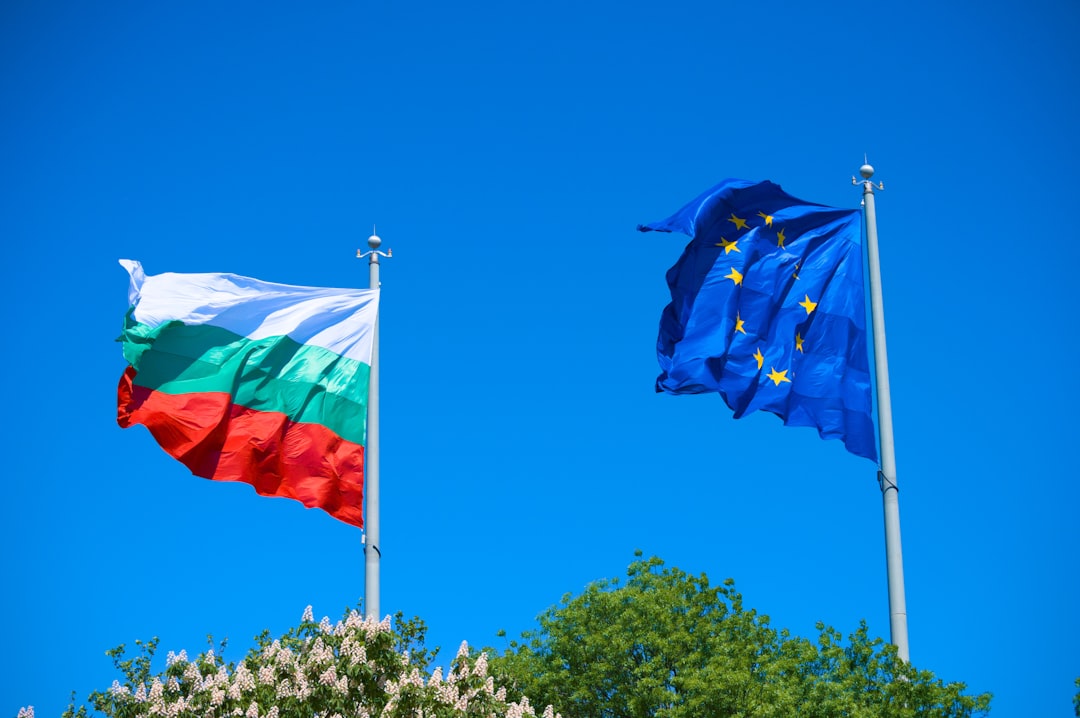
What happened
Bulgaria is set to join the euro currency union on New Year's Day, marking a significant milestone in its economic integration with the European Union. This move fulfills a long-standing ambition for the country to deepen its ties with the more prosperous nations within the EU.
Key facts
- Bulgaria will officially adopt the euro as its currency on New Year's Day.
- This decision aligns Bulgaria more closely with the economic policies of the European Union.
- The adoption of the euro is a culmination of decades of efforts by Bulgaria to integrate more fully with the EU.
Background & context
The euro is the official currency of the eurozone, which consists of 19 of the 27 European Union member states. The adoption of the euro is seen as a step towards greater economic stability and integration within the EU. For Bulgaria, joining the eurozone represents a strategic move to align with the economic frameworks of more prosperous EU countries, potentially enhancing trade, investment, and economic growth. The euro was introduced in 1999 as a virtual currency for cashless payments and accounting purposes, and in 2002, euro banknotes and coins were introduced. The eurozone aims to facilitate easier trade and investment among member states by eliminating currency exchange fluctuations and fostering economic stability. Bulgaria's accession to the eurozone reflects its commitment to these principles and its desire to benefit from the economic advantages that come with being part of a larger, unified market.
Why it matters (for US readers)
For US readers, Bulgaria's adoption of the euro is a noteworthy development in the broader context of European economic integration. It highlights the ongoing efforts of EU member states to unify their economic policies and strengthen their collective economic standing. This move could have implications for US businesses operating in Europe, as it may influence trade dynamics and investment opportunities within the region. The euro is one of the world's most traded currencies, and its stability is crucial for global markets. Bulgaria's integration into the eurozone could enhance the region's economic resilience, potentially impacting the global economy, including US interests. For American companies with operations or partnerships in Europe, Bulgaria's transition to the euro may simplify financial transactions and reduce currency risk, thereby affecting strategic business decisions.
Stakeholders & viewpoints
- Bulgaria: Sees the adoption of the euro as a means to achieve greater economic stability and integration with the EU. The Bulgarian government anticipates that this move will attract foreign investment, boost economic growth, and improve the country's credit rating.
- European Union: Supports the expansion of the eurozone as a way to strengthen economic cohesion among member states. The EU views Bulgaria's accession as a positive step towards a more integrated and robust economic union.
- Businesses and Consumers: May experience changes in trade and economic conditions as Bulgaria transitions to the euro. Businesses could benefit from reduced transaction costs and increased market access, while consumers might see changes in pricing and purchasing power.
Timeline & what to watch next
- New Year's Day: Bulgaria officially adopts the euro.
- Post-adoption: Monitor economic impacts on Bulgaria and its trade relations within the EU. Analysts will be watching for changes in inflation rates, economic growth, and foreign investment levels.
- Long-term: Assess the broader implications for EU economic integration and stability. Observers will be interested in how Bulgaria's adoption of the euro influences its economic performance and the overall cohesion of the eurozone. The transition period will be crucial, as Bulgaria adapts to the new currency and aligns its monetary policies with those of the European Central Bank. The success of this integration could serve as a model for other EU countries considering euro adoption.
Sources
Up Next
