Flu Cases Rise, CDC Warns of Worsening Trends
What happened
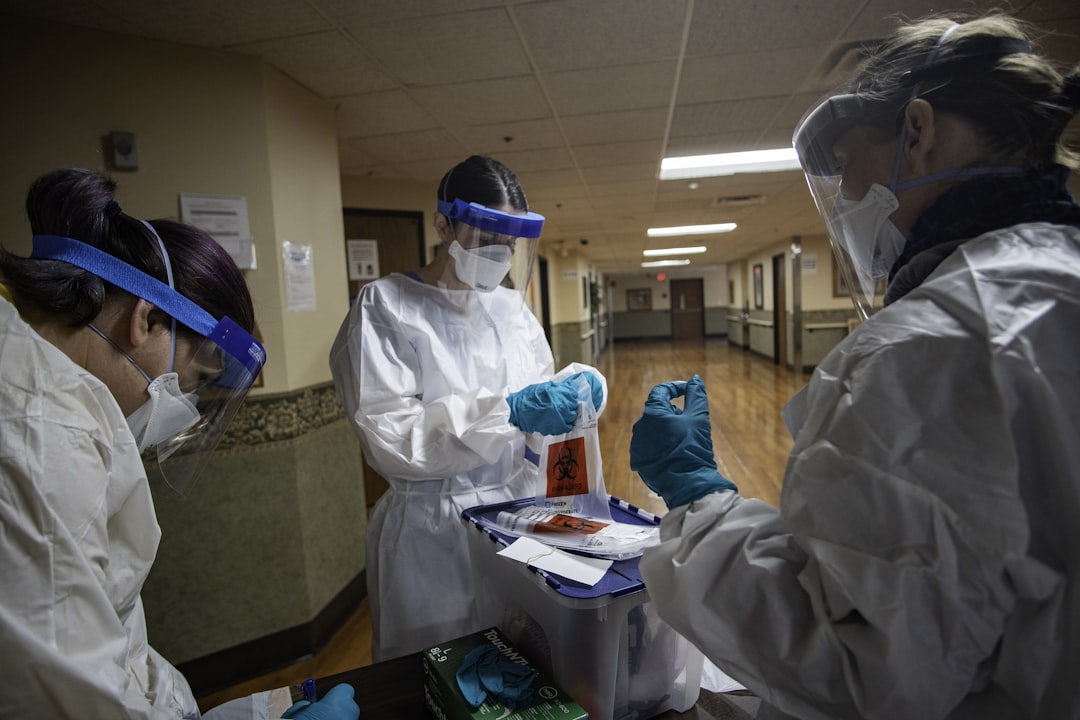
The Centers for Disease Control and Prevention (CDC) has released new data indicating that flu cases are surging in the United States. The virus is spreading more rapidly than in previous years, and the situation is expected to worsen.
Key facts
- The flu season is starting with higher-than-usual infection rates.
- New CDC data highlights a faster spread of the virus compared to past years.
- The current surge in flu cases is expected to intensify.
Background & context
Influenza, commonly known as the flu, is a contagious respiratory illness caused by influenza viruses. It can lead to mild symptoms such as fever and cough, but in severe cases, it can result in hospitalization or even death. The flu season in the United States typically spans from fall to winter, with activity peaking between December and February. This period coincides with colder weather, which can facilitate the spread of respiratory viruses as people spend more time indoors. Public health officials closely monitor flu activity to provide timely guidance on prevention and treatment strategies. Vaccination remains the most effective way to prevent the flu, reducing the risk of severe illness and complications.
Why it matters
The surge in flu cases is significant for several reasons. It can lead to increased hospitalizations, which may strain healthcare systems already dealing with other seasonal illnesses and ongoing health challenges. This strain can impact the availability of medical resources and personnel, potentially affecting the quality of care. The situation underscores the importance of preventive measures such as vaccination, which can help reduce the spread of the virus and protect vulnerable populations, including the elderly, young children, and those with underlying health conditions. Additionally, maintaining good hand hygiene and staying informed about public health recommendations are crucial steps individuals can take to protect themselves and their communities.
Stakeholders & viewpoints
- Healthcare providers: They are on the front lines, concerned about the potential for increased patient loads and the need for adequate resources to manage the surge. Ensuring sufficient staffing and medical supplies is critical to handling the influx of flu cases effectively.
- Public health officials: Their focus is on monitoring the situation and providing guidance to mitigate the spread of the virus. This includes issuing public health advisories, promoting vaccination campaigns, and ensuring that accurate information reaches the public.
- General public: Individuals are encouraged to take preventive measures, such as getting vaccinated and practicing good hygiene. Staying informed about the flu season's progression and following public health recommendations can help reduce personal risk and contribute to community health.
Timeline & what to watch next
- Monitor updates from the CDC: The CDC regularly updates flu activity data, which can provide insights into the severity and spread of the virus. Keeping an eye on these updates can help individuals and healthcare providers prepare for potential increases in cases.
- Watch for public health advisories and recommendations: Public health officials may issue advisories related to flu prevention and treatment. These can include recommendations for vaccination, guidance on managing symptoms, and information on when to seek medical care.
- Stay informed about vaccination availability and effectiveness: Flu vaccines are updated annually to match circulating strains as closely as possible. Understanding the availability and effectiveness of the current vaccine can help individuals make informed decisions about getting vaccinated.
Sources
Up Next
