Fatal Train Crash in Mexico: 13 Dead, Many More Injured
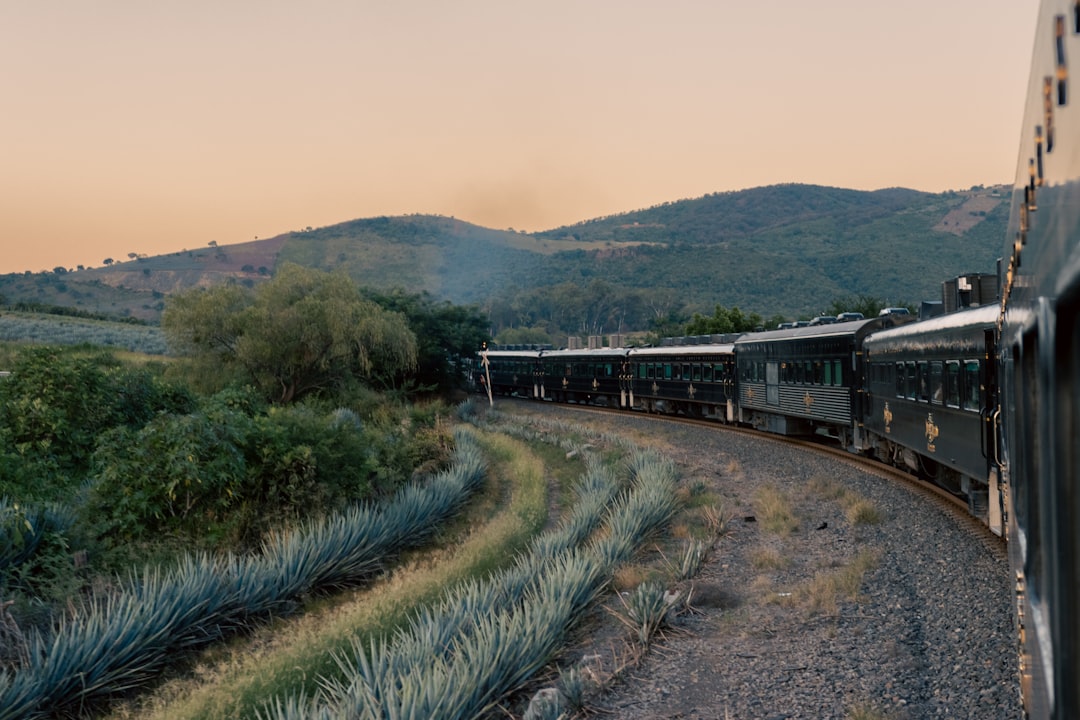
A train accident in southern Mexico has resulted in at least 13 deaths and numerous injuries, highlighting ongoing safety concerns in the region.
What happened
A tragic train accident occurred in southern Mexico, resulting in the deaths of at least 13 individuals and injuring dozens more. The incident has caused a significant disruption along a rail line that connects the Pacific Ocean with the Gulf of Mexico.
Key facts
- The accident took place in southern Mexico.
- At least 13 people have been confirmed dead.
- Dozens of individuals sustained injuries.
- The accident has halted traffic on a major rail line.
Background & context
Train accidents, while relatively rare, can have severe consequences, especially when they occur on major transportation routes. Rail lines are crucial for the movement of goods and people, and disruptions can have significant economic and logistical impacts. Mexico's rail network plays a vital role in connecting different regions of the country, facilitating trade and travel. The rail line affected by this accident is part of a broader network that serves as a backbone for Mexico's transportation infrastructure. It is essential for both domestic and international trade, linking key ports on the Pacific Ocean and the Gulf of Mexico. These ports are vital for the export and import of goods, including agricultural products, manufactured goods, and raw materials. The rail system's efficiency is crucial for maintaining competitive trade routes and ensuring timely delivery of goods. Historically, rail safety has been a concern in many countries, including Mexico, where infrastructure maintenance and modernization are ongoing challenges. Investments in technology and infrastructure are critical to enhancing safety and efficiency, reducing the likelihood of such tragic events.
Why it matters (for US readers)
For US readers, this incident is significant due to the potential impact on trade and travel between the United States and Mexico. The rail line affected by the accident is a critical link between the Pacific Ocean and the Gulf of Mexico, which could influence the transportation of goods across borders. The United States and Mexico share a robust trade relationship, with billions of dollars in goods exchanged annually. Disruptions in Mexico's rail network can lead to delays in supply chains, affecting industries reliant on timely imports and exports. Additionally, understanding such events can provide insight into the challenges faced by neighboring countries in maintaining and operating their infrastructure safely. The incident underscores the importance of international cooperation in improving transportation safety standards and sharing best practices.
Stakeholders & viewpoints
- Mexican authorities: Responsible for investigating the cause of the accident and ensuring the safety of the rail network. They face the challenge of balancing immediate response efforts with long-term safety improvements.
- Victims and their families: Directly affected by the tragedy, facing loss and injury. They may seek accountability and support from authorities and rail operators.
- Rail operators and logistics companies: Concerned about the disruption to services and the potential impact on operations. They are likely to be involved in efforts to restore service and assess the accident's implications for future operations.
- International trade partners: Monitoring the situation for any potential effects on cross-border trade. They may advocate for measures to prevent future disruptions and ensure the reliability of trade routes.
Timeline & what to watch next
- Immediate aftermath: Rescue and recovery efforts are likely ongoing. Authorities will prioritize the safety and well-being of those affected, providing medical assistance and support to victims and their families.
- Investigation: Authorities will investigate the cause of the accident. This process will involve examining the train's condition, track maintenance, and operational procedures to identify any contributing factors.
- Rail service restoration: Monitoring when the rail line will be operational again. Restoring service is crucial for minimizing economic impacts and ensuring the continuity of trade and travel.
- Impact assessment: Evaluating the broader effects on trade and logistics. Stakeholders will assess the accident's implications for supply chains and consider measures to enhance rail safety and infrastructure resilience.
Sources
Up Next
