Achieve a Clutter-Free Home with Minimalism
Introduction
Minimalism has gained popularity in recent years as a lifestyle choice that emphasizes simplicity and intentional living. In the context of home design, minimalism involves reducing clutter and focusing on the essentials to create a more peaceful and functional environment. This article explores practical tips for achieving a minimalist home, supported by real-life examples and data.
Key Points
- Decluttering: Begin by assessing your belongings and deciding what is truly necessary. Use strategies like the KonMari method, which involves keeping only items that "spark joy."
- Functional Furniture: Choose furniture that serves multiple purposes, such as a sofa bed or a coffee table with storage space. This reduces the need for additional pieces and maximizes space.
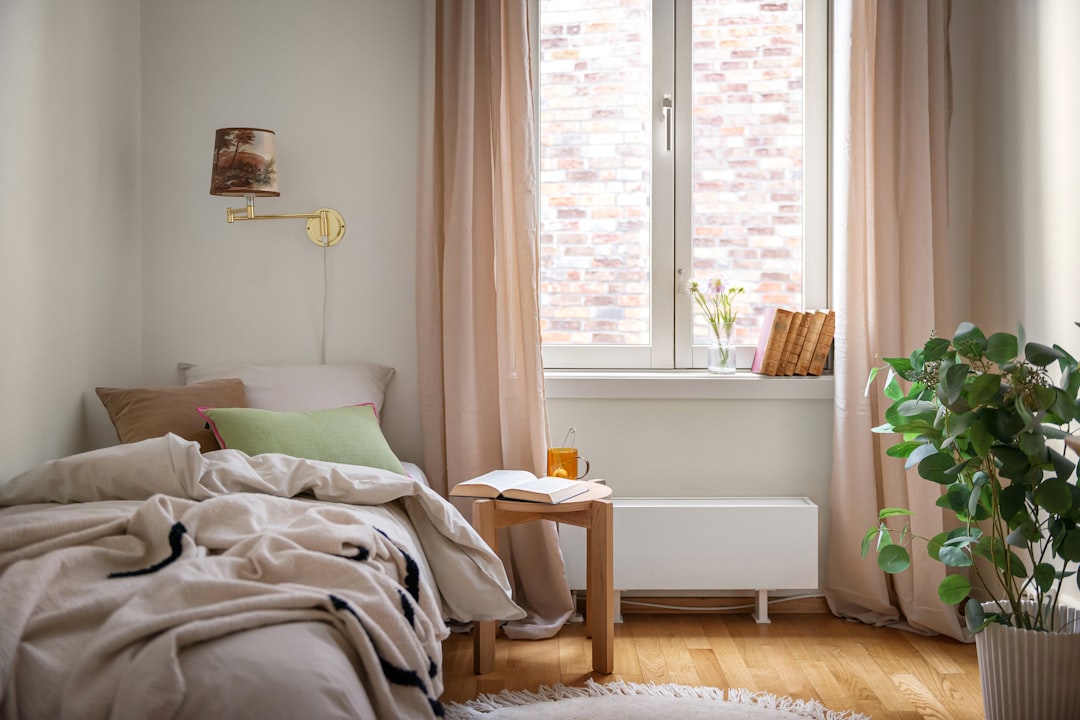
- Neutral Color Palette: Opt for a neutral color scheme to create a calm and cohesive look. Whites, grays, and beiges can make spaces feel larger and more open.
- Quality Over Quantity: Invest in high-quality items that will last longer and serve multiple functions, rather than accumulating numerous low-quality products.
- Mindful Consumption: Adopt a mindful approach to purchasing new items. Consider the necessity and impact of each purchase on your living space.
- Regular Maintenance: Schedule regular decluttering sessions to prevent the accumulation of unnecessary items over time.
Case Study
Consider the example of the Johnson family from Austin, Texas. They lived in a three-bedroom home filled with furniture, toys, and various household items accumulated over the years. Feeling overwhelmed by the clutter, they decided to adopt a minimalist approach. The family began by sorting through each room, donating or selling items they no longer used. They replaced bulky furniture with multifunctional pieces, such as a dining table that doubles as a workspace. By choosing a neutral color palette, they created a more cohesive and serene environment. As a result, the Johnsons found their home easier to clean and maintain, and they experienced a noticeable reduction in stress.
Analysis
Minimalism in the home offers several benefits, including reduced stress, increased focus, and improved mental clarity. By eliminating excess, individuals can create spaces that are not only aesthetically pleasing but also more functional. This approach encourages mindful consumption, which can lead to financial savings and a reduced environmental footprint. However, minimalism is not without its challenges. It requires a shift in mindset and a commitment to ongoing maintenance. For some, the process of letting go of possessions can be emotionally difficult. Nonetheless, the long-term benefits often outweigh these initial hurdles.
US Examples & Data
According to a 2019 survey by the National Association of Professional Organizers, 54% of Americans feel overwhelmed by clutter in their homes. Additionally, a study by UCLA's Center on Everyday Lives of Families found that clutter can increase stress levels, particularly among women. The minimalist movement has been further popularized by media figures such as Marie Kondo and the creators of "The Minimalists" documentary. Their influence has led to a growing interest in decluttering and simplifying home environments across the United States.
Why It Matters
Adopting a minimalist lifestyle can have significant implications for mental health and well-being. By creating a clutter-free environment, individuals can reduce stress and improve their quality of life. Furthermore, minimalism promotes sustainable living by encouraging mindful consumption and reducing waste. As more Americans embrace this lifestyle, it could lead to broader societal shifts toward sustainability and intentional living.
Sources
- National Association of Professional Organizers
- UCLA Center on Everyday Lives of Families
- Pew Research Center
- American Psychological Association
- Environmental Protection Agency
Related Topics
- Sustainable Living Practices
- Mindful Consumption
- The Psychology of Clutter
- Interior Design Trends
- The Impact of Minimalism on Mental Health
Up Next
