Hidden Sugars Found in Foods with Health Buzzwords
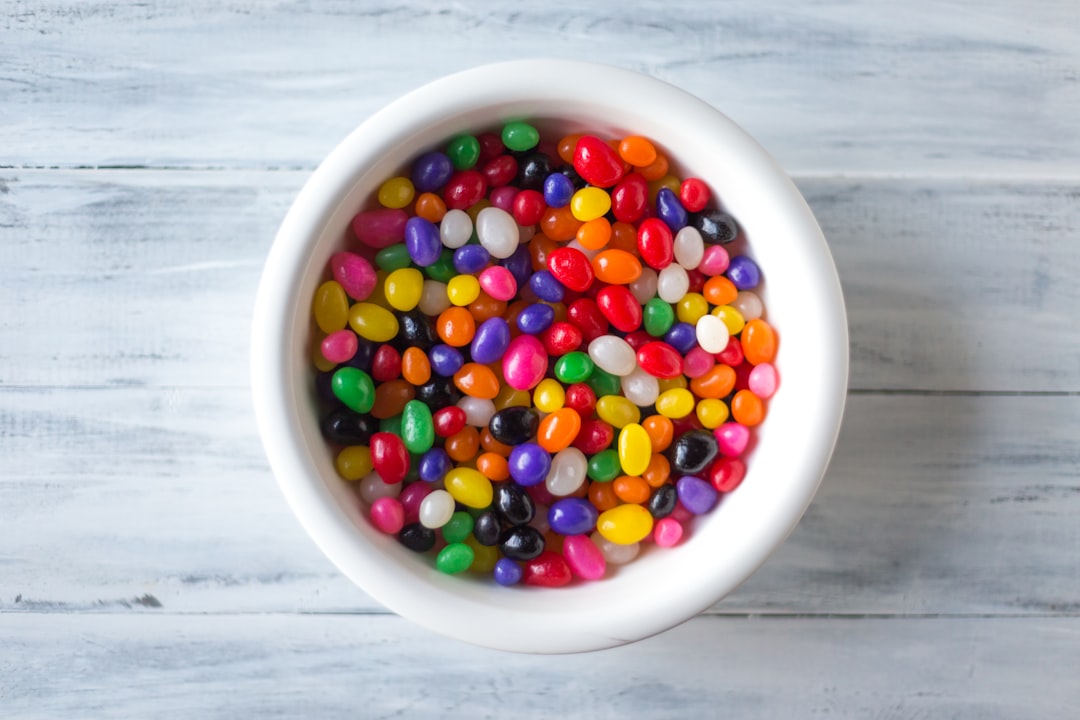
Many foods with health labels may contain hidden sugars, misleading consumers about their nutritional value.
What happened
NBC News has reported on the potential for foods marketed with healthy-sounding buzzwords to contain hidden added sugars. This report highlights how consumers might be misled by labels such as “all natural” or “extra protein” when selecting food products.
Key facts
- Foods with labels like “all natural” or “extra protein” might contain hidden added sugars.
- Consumers often choose these products over more obviously sugary options like pastries.
- The report suggests a discrepancy between consumer perception and the actual nutritional content of these foods.
Background & context
In recent years, there has been a growing trend towards healthier eating, with consumers increasingly seeking out products that are marketed as natural or beneficial for health. This shift has led to a rise in products that use buzzwords to appeal to health-conscious buyers. However, the use of such terms does not always guarantee that a product is free from unhealthy ingredients, such as added sugars, which can contribute to various health issues if consumed in excess. The food industry has long utilized marketing strategies to attract consumers, often using terms that suggest health benefits without clear definitions or regulations. For example, terms like "natural" or "organic" can be interpreted in various ways, leading to confusion about what these labels truly mean. The lack of stringent regulations around these terms allows manufacturers to use them liberally, sometimes masking the presence of less desirable ingredients like added sugars. Added sugars are a significant concern because they can contribute to a range of health problems, including obesity, type 2 diabetes, and heart disease. The American Heart Association recommends limiting added sugars to no more than 6 teaspoons per day for women and 9 teaspoons for men. However, hidden sugars in foods can make it challenging for consumers to adhere to these guidelines.
Why it matters
For US readers, understanding the potential for misleading food labels is crucial in making informed dietary choices. With the prevalence of diet-related health issues such as obesity and diabetes, being aware of hidden sugars in seemingly healthy foods can help consumers better manage their nutritional intake and overall health. The implications of consuming hidden sugars extend beyond individual health. Public health systems are burdened by the rising costs associated with treating diet-related diseases. Educating consumers about the realities of food labeling can empower them to make choices that not only benefit their health but also reduce the long-term strain on healthcare resources. Moreover, transparency in food labeling is a matter of consumer rights. People have the right to know what they are consuming and to make choices based on accurate information. As awareness grows, there may be increased demand for clearer labeling practices, potentially leading to regulatory changes.
Stakeholders & viewpoints
- Consumers: May feel misled by food labels and concerned about their dietary choices. They are increasingly demanding transparency and honesty in food labeling to make informed decisions.
- Food manufacturers: Could face scrutiny over labeling practices and the transparency of their product ingredients. They may need to balance marketing strategies with consumer demands for honesty and clarity.
- Health professionals: Likely to advocate for clearer labeling to help consumers make healthier choices. They play a critical role in educating the public about the health risks associated with hidden sugars and advocating for policy changes.
- Regulatory bodies: May be pressured to implement stricter guidelines on food labeling to ensure consumer protection and promote public health.
Timeline & what to watch next
- Monitor any responses from food manufacturers regarding labeling practices. Companies may choose to voluntarily improve transparency or wait for regulatory mandates.
- Look for potential regulatory changes or guidelines on food labeling. The Food and Drug Administration (FDA) and other regulatory bodies may consider revising standards to address consumer concerns.
- Watch for further studies or reports on the impact of hidden sugars in marketed health foods. Ongoing research can provide valuable insights into the prevalence of hidden sugars and their health implications.
- Observe consumer advocacy movements pushing for clearer labeling. Grassroots efforts can influence policy changes and encourage manufacturers to adopt more transparent practices.
Sources
Up Next
