Renewable Energy Shifts in the US: 2025 Outlook
Introduction
The United States is witnessing a significant shift in its energy landscape, with renewable energy sources playing an increasingly vital role. As concerns about climate change and energy security grow, the adoption of renewable energy technologies is accelerating. This article delves into the current trends in renewable energy across the US, examining the factors driving these changes and their implications for American society.
Key Points
- Renewable energy sources like solar, wind, and hydropower are expanding rapidly in the US.
- Technological advancements and decreasing costs are key drivers of this growth.
- Policy support at federal and state levels is crucial for continued expansion.
- The transition to renewables has significant economic, environmental, and social implications.
Trends Shaping the Topic
Several trends are shaping the renewable energy landscape in the United States: 1. Cost Reduction: The cost of renewable energy technologies, particularly solar and wind, has decreased dramatically over the past decade. According to the International Renewable Energy Agency (IRENA), the cost of solar photovoltaic (PV) electricity has fallen by 82% since 2010, while onshore wind costs have decreased by 39%. 2. Technological Advancements: Innovations in energy storage, grid integration, and efficiency improvements are making renewable energy more viable. Battery storage technologies, for instance, are crucial for addressing the intermittent nature of solar and wind power. 3. Policy and Regulation: Federal and state policies, including tax incentives and renewable portfolio standards (RPS), are driving the adoption of renewable energy. The Inflation Reduction Act of 2022, for example, includes provisions to support clean energy development. 4. Corporate and Consumer Demand: Increasingly, corporations are committing to renewable energy as part of their sustainability goals. Consumers are also showing a preference for cleaner energy sources, influencing market dynamics. 5. Decentralization of Energy Production: There is a growing trend towards decentralized energy systems, with more households and businesses installing rooftop solar panels and other localized energy solutions.
Implications for US Readers
The shift towards renewable energy has several implications for US readers: - Economic Opportunities: The renewable energy sector is creating jobs and stimulating economic growth. According to the US Department of Energy, the solar industry employed about 250,000 workers in 2020, and this number is expected to grow. - Environmental Benefits: Transitioning to renewable energy reduces greenhouse gas emissions and air pollution, contributing to improved public health and environmental quality. - Energy Independence: Increasing reliance on domestic renewable energy sources can enhance energy security and reduce dependence on imported fossil fuels. - Challenges and Adaptation: While the benefits are significant, the transition also poses challenges, such as the need for grid modernization and the management of energy intermittency.
US Examples & Data
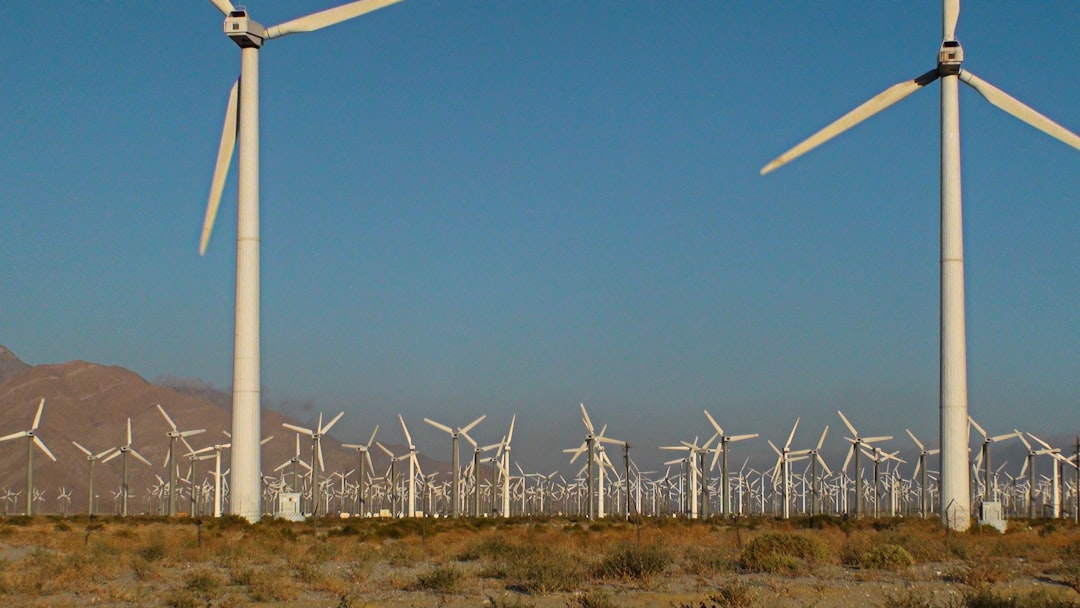
The following examples and data illustrate the current state of renewable energy in the US: - Solar Power: California leads the nation in solar energy production, with over 30% of its electricity generated from solar sources. The Solar Energy Industries Association (SEIA) reports that the US installed 19.2 gigawatts (GW) of solar PV capacity in 2021, a 43% increase from the previous year. - Wind Energy: Texas is the largest producer of wind energy in the US, with over 30 GW of installed capacity. The American Clean Power Association notes that wind power accounted for 9.2% of the country's electricity generation in 2020. - Hydropower: The Pacific Northwest, particularly Washington State, relies heavily on hydropower, which provides about 70% of the state's electricity. - Biomass and Geothermal: While less prominent, biomass and geothermal energy contribute to the renewable energy mix, particularly in states like Oregon and Idaho.
Why It Matters
The transition to renewable energy is crucial for addressing climate change and ensuring a sustainable future. By reducing reliance on fossil fuels, the US can lower its carbon footprint, improve air quality, and foster economic resilience. Moreover, the growth of the renewable energy sector presents significant opportunities for innovation, job creation, and technological leadership on the global stage.
Sources
- International Renewable Energy Agency (IRENA)
- US Department of Energy
- Solar Energy Industries Association (SEIA)
- American Clean Power Association
- US Energy Information Administration (EIA)
Related Topics
- The Role of Energy Storage in Renewable Energy
- The Impact of Renewable Energy on US Job Markets
- Renewable Energy Policy and Legislation in the US
- Innovations in Solar and Wind Energy Technologies
Up Next
