Plant-Based Eating: Health Perks and Recipes
Introduction
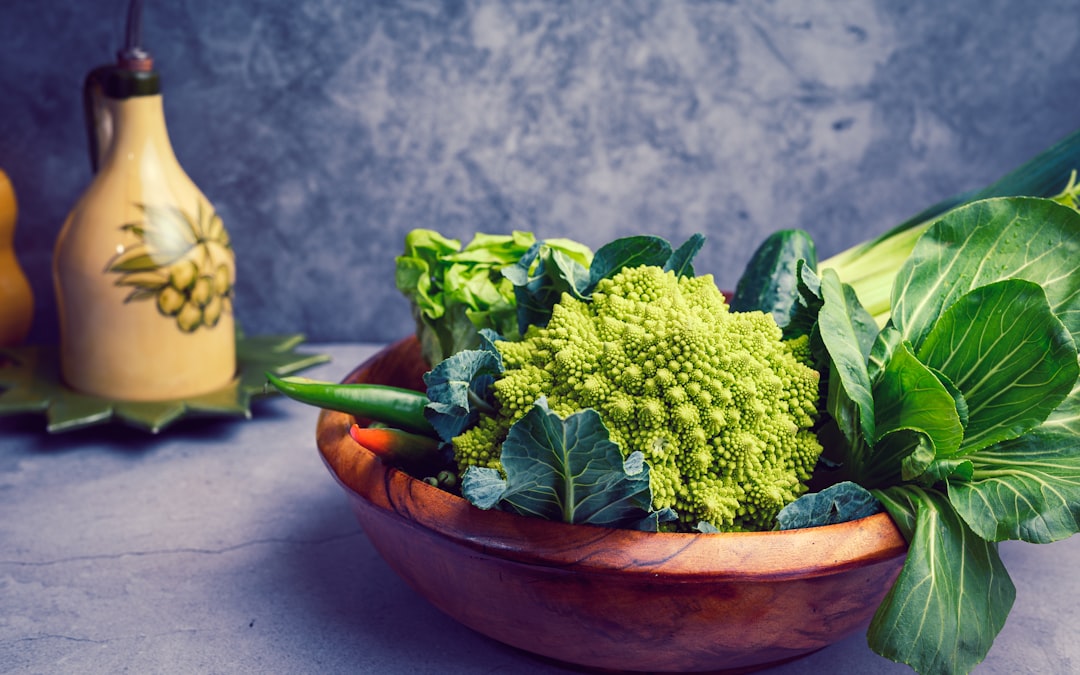
Plant-based diets have gained significant popularity in recent years, driven by growing awareness of health, environmental, and ethical considerations. This dietary approach emphasizes consuming foods derived from plants, including vegetables, fruits, nuts, seeds, oils, whole grains, legumes, and beans. While some people choose to eliminate all animal products, others may include small amounts of animal-derived foods. This article explores the benefits of plant-based diets and provides easy recipes to help you get started.
Key Points
- Plant-based diets can improve health by reducing the risk of chronic diseases.
- They are environmentally sustainable, reducing the carbon footprint associated with food production.
- Simple recipes can make transitioning to a plant-based diet easier and more enjoyable.
Main Sections
Health Benefits of Plant-Based Diets
Plant-based diets are associated with numerous health benefits. Research indicates that these diets can lower the risk of heart disease, hypertension, type 2 diabetes, and certain cancers. The high fiber content in plant foods aids digestion and helps maintain a healthy weight. Additionally, plant-based diets are rich in essential nutrients like vitamins, minerals, and antioxidants, which support overall health.
Environmental Impact
Adopting a plant-based diet can significantly reduce your environmental footprint. The production of plant foods generally requires fewer resources, such as water and land, compared to animal agriculture. It also results in lower greenhouse gas emissions. By choosing plant-based options, individuals can contribute to a more sustainable food system.
Ethical Considerations
For many, ethical concerns about animal welfare are a compelling reason to adopt a plant-based diet. This dietary choice can align with values of compassion and reduce the demand for factory farming practices that often involve inhumane treatment of animals.
Easy Plant-Based Recipes
- Chickpea Salad Sandwich
- Ingredients: Canned chickpeas, celery, red onion, vegan mayonnaise, lemon juice, salt, pepper, whole-grain bread.
- Instructions: Mash chickpeas in a bowl, mix with chopped celery and onion, add mayonnaise, lemon juice, salt, and pepper. Serve on bread.
- Quinoa and Black Bean Bowl
- Ingredients: Quinoa, black beans, corn, avocado, lime, cilantro, salt, pepper.
- Instructions: Cook quinoa, mix with black beans and corn, top with avocado slices, lime juice, cilantro, salt, and pepper.
- Lentil Soup
- Ingredients: Lentils, carrots, celery, onion, garlic, vegetable broth, tomatoes, thyme, salt, pepper.
- Instructions: Sauté vegetables, add lentils and broth, simmer until lentils are tender, season with thyme, salt, and pepper.
US Examples & Data
According to the Centers for Disease Control and Prevention (CDC), heart disease is the leading cause of death in the United States. Studies have shown that plant-based diets can reduce the risk of heart disease by lowering cholesterol levels and blood pressure. Additionally, the National Institutes of Health (NIH) reports that a diet rich in fruits and vegetables can help prevent obesity, a significant risk factor for various chronic diseases. The U.S. Department of Agriculture (USDA) indicates that shifting towards plant-based diets can decrease agricultural emissions by up to 70%, highlighting the potential environmental benefits of widespread dietary changes.
Why It Matters
Understanding the benefits of plant-based diets is crucial for making informed dietary choices that can improve personal health and contribute to environmental sustainability. As more people adopt plant-based eating habits, the demand for sustainable food production practices will increase, potentially leading to positive changes in the food industry.
FAQ
What is a plant-based diet?
A plant-based diet focuses on foods derived from plants, including vegetables, fruits, nuts, seeds, oils, whole grains, legumes, and beans. It may or may not include small amounts of animal products.
Are plant-based diets nutritionally adequate?
Yes, when well-planned, plant-based diets can provide all essential nutrients. It's important to include a variety of foods to ensure adequate intake of protein, iron, calcium, vitamin B12, and omega-3 fatty acids.
Can plant-based diets help with weight loss?
Yes, plant-based diets can aid weight loss due to their high fiber content, which promotes satiety and reduces overall calorie intake.
Sources
- CDC - Heart Disease Facts
- NIH - Obesity and Overweight
- USDA - Dietary Guidelines for Americans
- Harvard T.H. Chan School of Public Health - Plant-Based Diets
- Environmental Protection Agency - Greenhouse Gas Emissions
Related Topics
- Vegan vs. Vegetarian Diets: Key Differences
- How to Transition to a Plant-Based Diet
- The Role of Plant-Based Diets in Climate Change Mitigation
- Nutritional Considerations for Plant-Based Athletes
Up Next
