Tech Shifts That Transformed U.S. Workplaces
Introduction
The evolution of technology has profoundly transformed the American workplace, reshaping how tasks are performed and altering the landscape of employment. From the Industrial Revolution to the digital age, each technological milestone has introduced new efficiencies and challenges. This article delves into the pivotal technological advancements that have redefined work in the United States, examining their impact on productivity, employment, and the economy.
Key Points
- Industrial Revolution: Introduced mechanization, significantly increasing production capabilities.
- Telecommunications: The telephone and later the internet revolutionized communication, enabling remote work and global collaboration.
- Computing: The advent of computers and software streamlined operations and data processing.
- Automation and Robotics: Enhanced manufacturing efficiency and reduced the need for manual labor.
- Digital Transformation: Cloud computing and AI have further accelerated innovation and flexibility in the workplace.
Step-by-Step
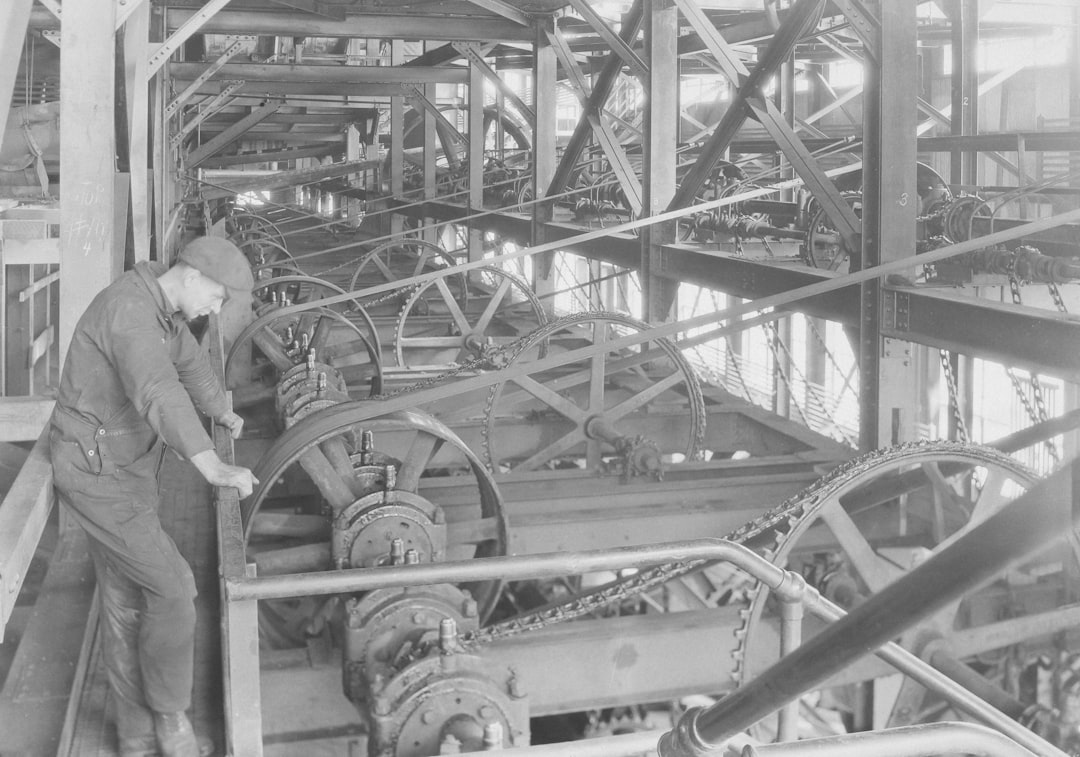
- Mechanization in the Industrial Revolution
- The introduction of machinery in the late 18th century increased production speed and volume, leading to the growth of factories and urbanization.
- Invention of the Telephone (1876)
- Alexander Graham Bell's invention allowed for instant voice communication over long distances, laying the groundwork for modern telecommunications.
- Development of Computers (1940s-1950s)
- Early computers like ENIAC and UNIVAC automated complex calculations, leading to the development of business applications and data processing.
- Internet and Email (1990s)
- The commercialization of the internet and widespread use of email transformed communication, enabling remote work and real-time information exchange.
- Automation and Robotics (1970s-present)
- Automation in manufacturing reduced the need for manual labor, while robotics increased precision and efficiency in production processes.
- Cloud Computing and AI (2000s-present)
- The rise of cloud services and artificial intelligence has enabled scalable solutions and data-driven decision-making, fostering innovation and agility.
Common Mistakes & Fixes
- Resistance to Change: Many organizations initially resist adopting new technologies due to fear of disruption.
Fix: Implement change management strategies and provide training to ease transitions. - Over-reliance on Technology: Dependence on technology can lead to vulnerabilities, such as cybersecurity threats.
Fix: Develop robust security protocols and maintain a balance between technology and human oversight. - Underestimating Costs: Initial costs of technology implementation can be underestimated.
Fix: Conduct thorough cost-benefit analyses and plan for long-term investments. - Ignoring Employee Training: New technologies can be ineffective if employees are not properly trained.
Fix: Invest in comprehensive training programs to ensure effective use of new tools.
US Examples & Data
- Manufacturing Output: The introduction of automation and robotics has increased manufacturing output while reducing labor costs. According to the Bureau of Labor Statistics, manufacturing productivity has consistently risen since the 1970s.
- Remote Work Trends: The COVID-19 pandemic accelerated the adoption of remote work technologies. A 2021 Pew Research Center survey found that 71% of workers with jobs that can be done remotely were working from home all or most of the time.
- AI and Employment: A report by the National Science Foundation highlights that AI is expected to create new job categories while transforming existing ones, emphasizing the need for workforce reskilling.
Why It Matters
Understanding the technological milestones that have reshaped American work is crucial for anticipating future trends and preparing for ongoing changes in the labor market. These advancements have not only increased productivity and efficiency but also posed challenges such as job displacement and the need for continuous skill development. By examining these milestones, businesses and policymakers can better navigate the evolving landscape of work and ensure that technological progress benefits all stakeholders.
Sources
- Bureau of Labor Statistics
- Pew Research Center
- National Science Foundation
- U.S. Census Bureau
- Smithsonian Institution
Related Topics
- The Future of Work in the Age of AI
- The Role of Education in Technological Adaptation
- Cybersecurity Challenges in the Modern Workplace
- The Impact of Globalization on American Jobs
- Historical Perspectives on Labor Movements in the U.S.
Up Next
