Ursid Meteor Shower to Illuminate Skies Tonight
What happened
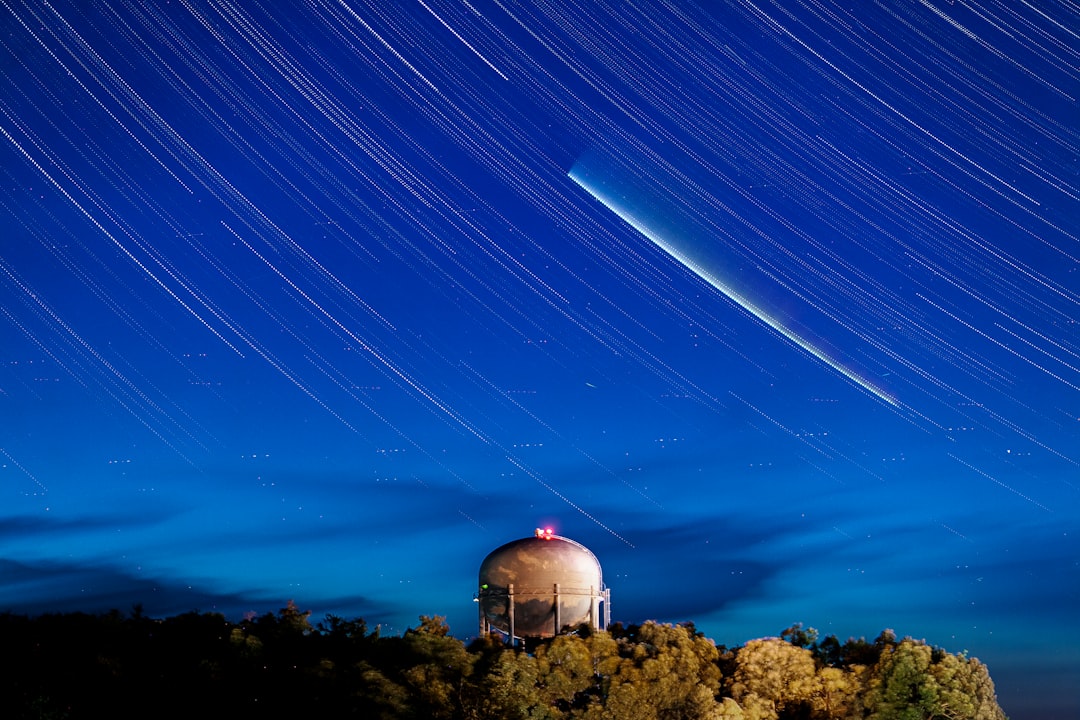
The Ursid meteor shower is set to peak tonight, providing a potential celestial spectacle for stargazers. This annual event is expected to light up the night sky on December 21-22, 2025.
Key facts
- The Ursid meteor shower will be visible throughout the night on December 21-22, 2025.
- This event is known for its shooting stars, which are expected to be observable during its peak.
- The information about the meteor shower was published by Space.com on December 21, 2025.
Background & context
The Ursid meteor shower is an annual astronomical event that occurs every December. It is associated with the comet 8P/Tuttle, which leaves behind a trail of debris that the Earth passes through. As these particles enter the Earth's atmosphere, they burn up and create the streaks of light known as meteors. The Ursids are typically less active than other meteor showers, such as the Perseids or Geminids, but they still offer a chance to witness a natural light show. Meteor showers like the Ursids have been observed for centuries, captivating humans with their beauty and mystery. The Ursids are named after the constellation Ursa Minor, from which they appear to radiate. While the Ursids may not produce as many meteors per hour as other showers, their timing during the winter solstice adds a unique charm, coinciding with the longest nights of the year.
Why it matters (for US readers)
For many in the United States, the Ursid meteor shower provides an opportunity to connect with the natural world during the holiday season. It offers a moment of wonder and reflection, as well as a chance to engage with astronomy. The event can be a family-friendly activity, encouraging people to spend time outdoors and appreciate the night sky. In a world increasingly dominated by technology and urbanization, events like the Ursid meteor shower remind us of the vastness and beauty of the universe. They offer a break from the hustle and bustle of daily life, allowing individuals to experience a sense of awe and curiosity. For educators and parents, the meteor shower can serve as a practical introduction to astronomy, sparking interest in science and exploration.
Stakeholders & viewpoints
- Astronomy enthusiasts: Likely to be particularly interested in observing the meteor shower and may use the event to further their understanding of meteor activity. They often prepare for such events by selecting optimal viewing locations away from city lights and using telescopes or cameras to capture the spectacle.
- General public: May view the meteor shower as a festive and educational experience, especially during the holiday season. For many, it is a chance to gather with friends and family, share stories, and enjoy the natural world. The simplicity of watching a meteor shower requires no special equipment, making it accessible to all.
- Media outlets: Provide coverage to inform and engage their audiences about the event, highlighting its significance and visibility. By reporting on such events, media can foster a greater appreciation for science and nature, encouraging public interest in astronomical phenomena.
Timeline & what to watch next
- December 21-22, 2025: Peak visibility of the Ursid meteor shower. Observers are advised to find a dark location, away from city lights, for the best viewing experience. The meteors are best seen after midnight, when the sky is darkest.
- Future meteor showers: Keep an eye on upcoming astronomical events for more opportunities to observe meteor activity. The Quadrantids in January and the Lyrids in April are among the next major meteor showers to look forward to. Each shower offers its own unique characteristics and viewing challenges, providing ongoing opportunities for skywatchers to engage with the night sky.
Sources
Up Next
