How American Pop Culture Has Changed Since 2000
Introduction
American pop culture has undergone significant transformations in the 21st century, driven by technological advancements, shifting societal norms, and globalization. This evolution reflects broader changes in American society and has influenced global cultural trends. From the rise of social media to the impact of streaming services, pop culture in the United States continues to shape and be shaped by the world around it.
Key Points
- Technological Advancements: The internet and mobile technology have revolutionized how pop culture is produced, consumed, and shared. Platforms like YouTube, Instagram, and TikTok have democratized content creation, allowing anyone with a smartphone to become a cultural influencer.
- Diversity and Representation: There has been a growing demand for diversity and representation in media. Movements like #OscarsSoWhite and #MeToo have highlighted the need for inclusivity in Hollywood and beyond.
- Streaming Services: The rise of streaming platforms such as Netflix, Hulu, and Disney+ has changed the way audiences consume media, leading to the decline of traditional cable TV and the rise of binge-watching culture.
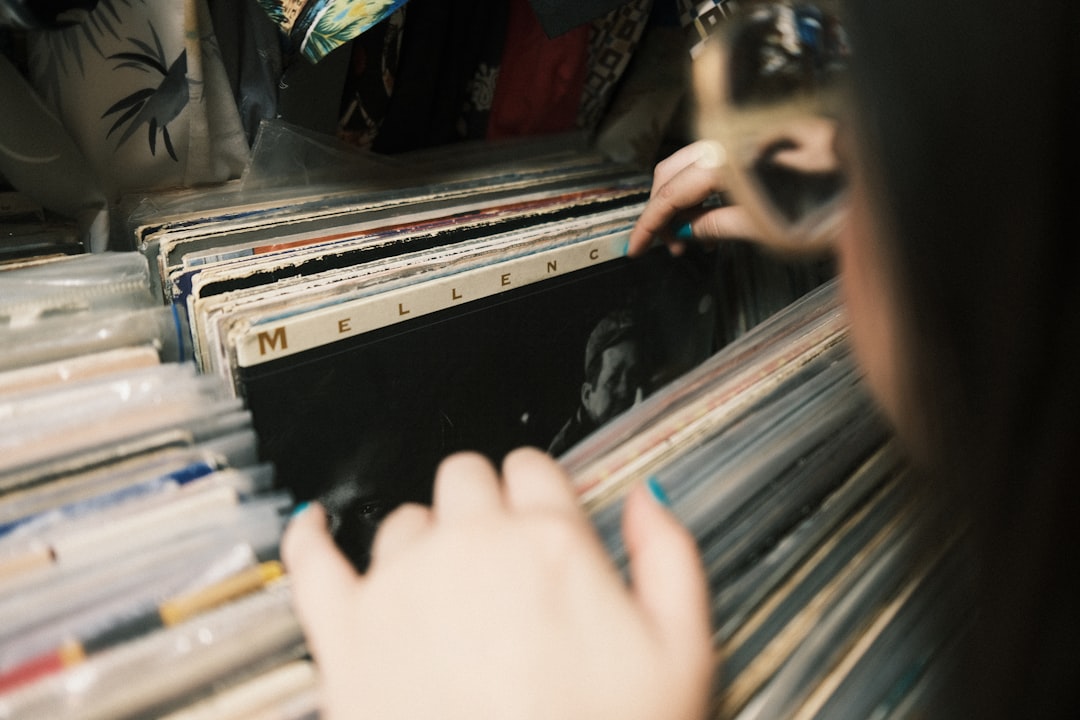
- Music Industry Shifts: The music industry has seen a shift from physical sales to digital streaming, with platforms like Spotify and Apple Music dominating. This has changed how artists release music and engage with fans.
- Social Media Influence: Social media has become a powerful tool for shaping trends and public opinion. Celebrities and influencers use these platforms to connect with audiences, promote brands, and drive cultural conversations.
- Globalization: American pop culture continues to have a significant global impact, but it is also increasingly influenced by international trends, as seen in the popularity of K-pop and international cinema.
Quick Q&A
- What role does technology play in modern pop culture?
Technology, particularly the internet and smartphones, has transformed how pop culture is created, shared, and consumed, enabling instant global reach. - How has representation in media changed in the 21st century?
There is a greater emphasis on diversity and inclusivity, with more representation of different races, genders, and sexual orientations in media. - What impact have streaming services had on traditional TV?
Streaming services have led to a decline in traditional cable TV viewership, offering on-demand content and fostering a culture of binge-watching. - How has the music industry adapted to digital trends?
The industry has shifted from physical album sales to digital streaming, with artists releasing music directly to platforms like Spotify and Apple Music. - What is the significance of social media in pop culture?
Social media platforms are crucial for trendsetting and public discourse, allowing celebrities and influencers to engage with audiences directly. - How does globalization affect American pop culture?
While American pop culture influences global trends, it is also increasingly shaped by international influences, such as the rise of K-pop. - What are some examples of pop culture movements in the 21st century?
Movements like #MeToo and #BlackLivesMatter have significantly impacted cultural narratives and media representation. - How do streaming services influence content creation?
Streaming platforms often produce original content, leading to diverse storytelling and innovative formats that cater to niche audiences.
Deeper Dive
The 21st century has seen a profound transformation in how pop culture is both consumed and produced. The advent of the internet and digital technology has democratized content creation, allowing individuals to bypass traditional media gatekeepers. Platforms like YouTube and TikTok have enabled creators to reach global audiences without the backing of major studios or networks. This shift has also led to the rise of "influencers," who wield significant cultural and economic power. Diversity and representation have become central themes in contemporary pop culture. The push for inclusivity is evident in the increasing visibility of marginalized groups in media. This shift is not only a response to social movements but also a recognition of the diverse demographics of modern audiences. Streaming services have disrupted traditional media consumption patterns. The ability to watch content on-demand has changed viewer expectations and habits, leading to the decline of appointment television. This shift has also encouraged the production of high-quality, serialized content that caters to binge-watching. The music industry has similarly adapted to digital trends. Streaming services have become the primary mode of music consumption, affecting how artists release music and interact with fans. The rise of social media has further blurred the lines between artists and audiences, fostering a more interactive and immediate relationship. Globalization has also played a crucial role in shaping American pop culture. While the United States continues to export its cultural products worldwide, it is also increasingly influenced by international trends. The global success of K-pop and the popularity of international films and TV shows in the U.S. are testament to this cultural exchange.
US Examples & Data
- Streaming Services: According to a 2021 report by the Pew Research Center, 60% of American adults subscribe to at least one streaming service, highlighting the shift from traditional TV to digital platforms.
- Diversity in Media: A 2020 study by UCLA found that while there has been progress in representation, people of color still remain underrepresented in key roles in Hollywood, both in front of and behind the camera.
- Music Consumption: The Recording Industry Association of America (RIAA) reported that streaming accounted for 83% of the music industry's revenue in 2020, underscoring the dominance of digital platforms.
- Social Media Usage: Data from the Pew Research Center in 2021 indicated that 72% of Americans use some form of social media, with platforms like Facebook, Instagram, and TikTok being particularly popular among younger demographics.
- Global Influence: The success of international films like "Parasite," which won the Best Picture Oscar in 2020, illustrates the growing impact of global cinema on American audiences.
Why It Matters
Understanding the evolution of American pop culture in the 21st century is crucial for grasping broader societal changes. Pop culture not only reflects current social dynamics but also influences public opinion and behavior. As technology continues to advance and global connections deepen, the landscape of pop culture will likely continue to evolve, offering new opportunities and challenges for creators and consumers alike.
Sources
- Pew Research Center on Streaming Services
- UCLA Hollywood Diversity Report
- Recording Industry Association of America (RIAA)
- Pew Research Center on Social Media Usage
- Academy Awards - "Parasite" Win
Related Topics
- The Impact of Social Media on Society
- The Rise of Streaming Services and Their Effect on Traditional Media
- Diversity and Representation in Hollywood
- The Globalization of Music and Entertainment
- The Role of Technology in Modern Entertainment
Up Next