Hidden Gems: US National Parks to Explore in 2025
Introduction
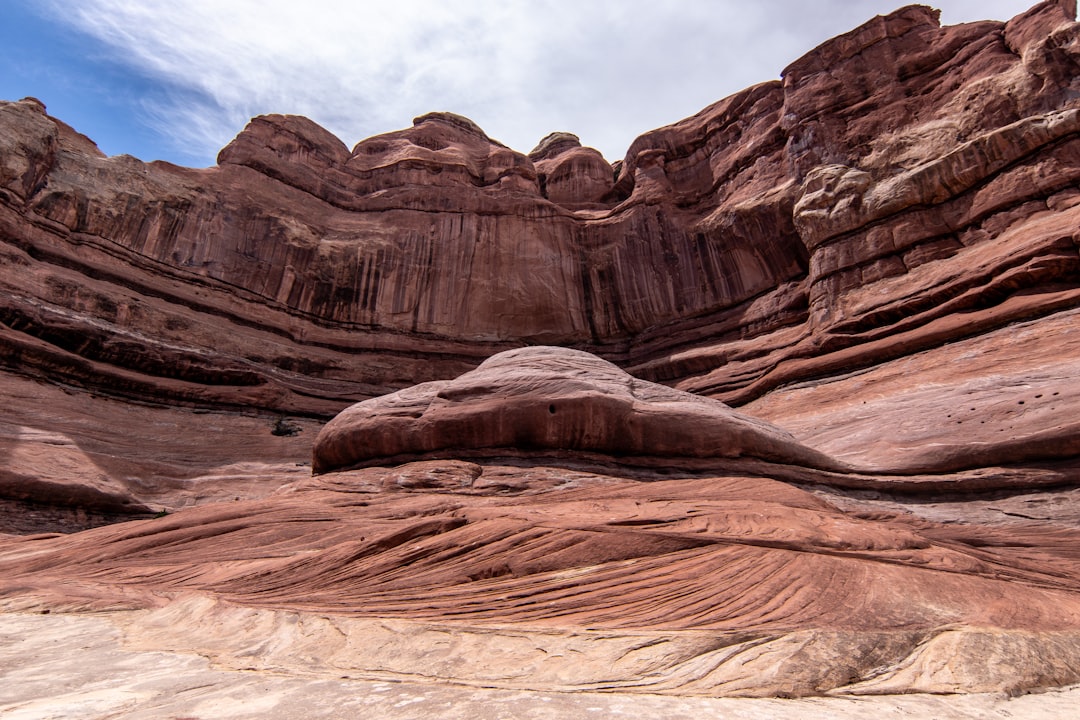
The United States is home to a vast array of national parks, each offering unique landscapes and experiences. While iconic parks like Yellowstone and Yosemite often steal the spotlight, there are many lesser-known parks that provide equally breathtaking views and adventures. This article explores some of these underrated gems, offering insights into why they deserve a spot on your travel itinerary.
Key Points
- Diverse Landscapes: Underrated parks often feature diverse ecosystems and landscapes, from deserts to wetlands.
- Fewer Crowds: These parks typically attract fewer visitors, allowing for a more peaceful and intimate experience with nature.
- Unique Wildlife: Many lesser-known parks are home to unique species of flora and fauna not found in more popular parks.
- Cultural and Historical Significance: Some parks offer rich cultural and historical narratives, providing educational opportunities alongside natural beauty.
- Recreational Opportunities: These parks offer a variety of activities such as hiking, kayaking, and bird watching, often with less competition for resources.
Quick Q&A
- What makes a national park underrated?
A national park is considered underrated if it receives fewer visitors compared to more popular parks, despite offering unique attractions and experiences. - Why visit lesser-known national parks?
Visiting these parks can provide a more serene experience, with fewer crowds and the opportunity to explore unique landscapes and wildlife. - Are there any underrated national parks in the eastern US?
Yes, Congaree National Park in South Carolina is an example, known for its large hardwood forest and diverse ecosystem. - Which underrated park is best for desert landscapes?
Great Basin National Park in Nevada offers stunning desert landscapes along with the Lehman Caves and ancient bristlecone pines. - Can I find unique wildlife in these parks?
Absolutely. For instance, Big Bend National Park in Texas is home to a variety of species, including the endangered Mexican long-nosed bat. - Are these parks accessible year-round?
Accessibility varies by park. Some, like Isle Royale National Park, are only accessible during certain seasons due to weather conditions. - Do these parks offer guided tours?
Many underrated parks offer ranger-led programs and guided tours, providing educational insights into the park's features. - What should I consider when planning a visit?
Consider the park's climate, accessibility, available amenities, and any permits required for activities like camping or hiking.
Deeper Dive
Exploring underrated national parks can be a rewarding experience for those seeking solitude and unique natural beauty. These parks often feature ecosystems and geological formations that differ from those found in more popular destinations. For example, Congaree National Park is renowned for its towering trees and biodiversity, offering a glimpse into the natural history of the southeastern United States. Great Basin National Park provides a stark contrast with its desert landscapes, alpine lakes, and the ancient bristlecone pines, some of the oldest living trees on Earth. The park's remote location ensures a tranquil visit, with opportunities for stargazing in one of the darkest night skies in the country. In Texas, Big Bend National Park offers a blend of desert, mountain, and river environments. The park's isolation and vastness allow for diverse recreational activities, from hiking and backpacking to river rafting on the Rio Grande. These parks also hold cultural and historical significance. For instance, the history of the Native American tribes who once inhabited these lands is often preserved and interpreted through park programs and exhibits.
US Examples & Data
- Congaree National Park: Located in South Carolina, this park covers over 26,000 acres and is home to one of the largest intact expanses of old-growth bottomland hardwood forest in the southeastern United States.
- Great Basin National Park: Situated in eastern Nevada, the park encompasses over 77,000 acres and features the Lehman Caves, Wheeler Peak, and ancient bristlecone pines.
- Big Bend National Park: Covering over 800,000 acres in southwest Texas, this park is known for its vast desert landscapes and the Chisos Mountain range.
- Isle Royale National Park: Located in Lake Superior, Michigan, this park is accessible only by boat or seaplane and is known for its rugged wilderness and diverse wildlife, including wolves and moose. According to the National Park Service, these parks receive significantly fewer visitors compared to more popular parks, offering a more secluded experience. For example, in 2022, Congaree National Park received approximately 215,000 visitors, while Great Basin National Park saw around 144,000 visitors.
Why It Matters
Visiting underrated national parks not only provides a unique and tranquil experience but also supports conservation efforts and local economies. These parks play a crucial role in preserving biodiversity and protecting ecosystems that might otherwise be overlooked. By exploring these lesser-known destinations, visitors contribute to the sustainability and maintenance of these natural treasures, ensuring they remain pristine for future generations.
Sources
- National Park Service
- US Geological Survey
- National Parks Conservation Association
- Department of the Interior
- National Park Foundation
- US Census Bureau
Related Topics
- Sustainable Tourism Practices
- Wildlife Conservation in National Parks
- The History of the National Park Service
- Comparing National Parks: Popular vs. Underrated
- The Role of National Parks in Biodiversity Preservation
Up Next
