Simple Home Designs to Lower Stress Levels
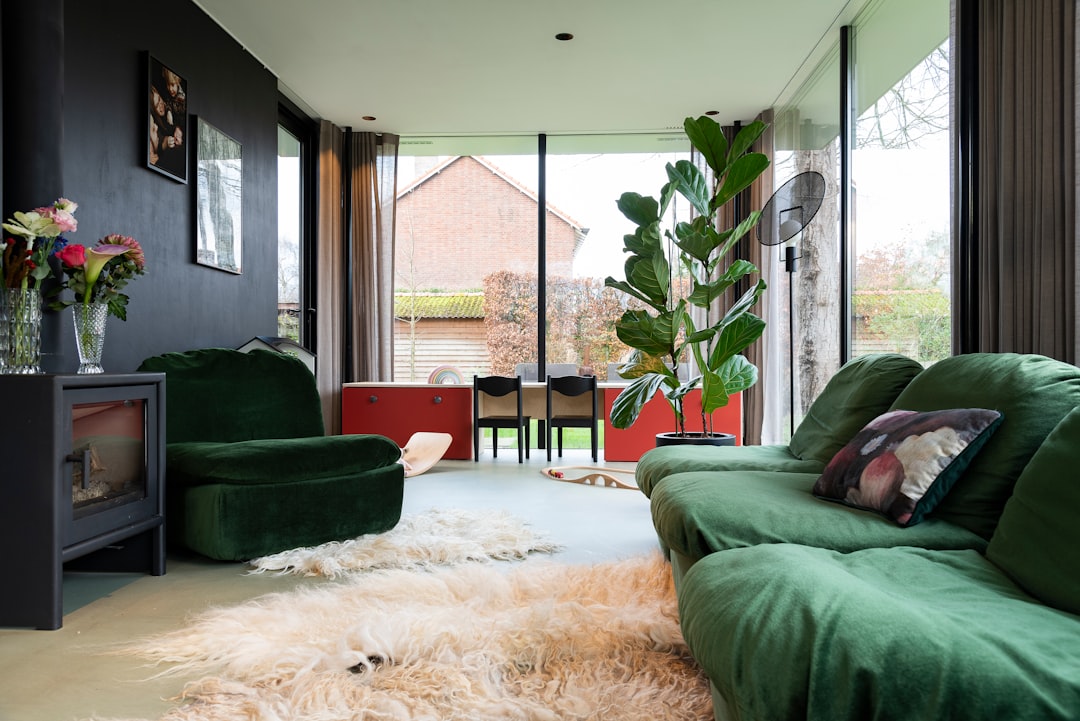
Introduction
In today's fast-paced world, stress is an ever-present concern for many individuals. One practical approach to mitigating stress is adopting a minimalist home setup. Minimalism emphasizes simplicity and functionality, which can lead to a more serene living environment. This article delves into how minimalist home setups can reduce stress, offering practical insights and examples from the United States.
Key Points
- Clutter Reduction: A minimalist home reduces clutter, which can decrease stress levels by creating a more organized and visually appealing space.
- Enhanced Focus: With fewer distractions, a minimalist environment can improve concentration and productivity.
- Improved Mental Health: Studies suggest that a decluttered space can lead to reduced anxiety and depression.
- Financial Benefits: Minimalism often leads to more mindful purchasing decisions, potentially saving money.
- Sustainability: Minimalist living encourages sustainable practices by reducing consumption and waste.
- Personalization: Minimalism allows for more intentional design choices, reflecting personal values and aesthetics.
Quick Q&A
- What is minimalism in home design?
Minimalism in home design focuses on simplicity, functionality, and the elimination of unnecessary items. - How does minimalism reduce stress?
By reducing clutter and distractions, minimalism creates a calming environment that can lower stress levels. - Can minimalism improve mental health?
Yes, a decluttered space can lead to reduced anxiety and depression, promoting better mental health. - Is minimalism cost-effective?
Minimalism can be cost-effective as it encourages mindful purchasing and reduces unnecessary spending. - Does minimalism support sustainability?
Yes, minimalism promotes sustainability by reducing consumption and waste. - How can I start adopting a minimalist lifestyle?
Begin by decluttering your space, focusing on keeping only essential and meaningful items. - Are there any downsides to minimalism?
Some may find minimalism too restrictive or challenging to maintain, especially if they enjoy collecting items. - Is minimalism suitable for families?
Yes, minimalism can be adapted for families by focusing on functional and shared spaces.
Deeper Dive
Minimalism is more than just an aesthetic choice; it's a lifestyle that prioritizes intentional living. By focusing on what truly matters, individuals can create a home environment that supports their well-being. The psychological benefits of minimalism are supported by research indicating that clutter can increase cortisol levels, a hormone associated with stress. A minimalist home reduces this clutter, potentially leading to lower stress levels. Moreover, minimalism encourages mindfulness. When individuals are deliberate about their possessions, they tend to make more thoughtful decisions, which can extend to other areas of life, such as time management and relationships. This mindfulness can contribute to a more balanced and fulfilling life.
US Examples & Data
In the United States, the minimalist movement has gained traction, with many individuals and families adopting this lifestyle. According to a report by the Pew Research Center, Americans are increasingly prioritizing experiences over possessions, a trend that aligns with minimalist principles. Additionally, a study by the UCLA Center on Everyday Lives of Families found that clutter can significantly impact mood and self-esteem, reinforcing the benefits of a minimalist approach. Several American cities, such as San Francisco and New York, have seen a rise in minimalist living due to high living costs and limited space. This trend is reflected in the growing popularity of tiny homes and micro-apartments, which embody minimalist principles by maximizing functionality in small spaces.
Why It Matters
Understanding the impact of home environments on stress and well-being is crucial, especially in a society where mental health concerns are prevalent. Minimalist home setups offer a practical solution for reducing stress, improving mental health, and promoting a more sustainable lifestyle. By adopting minimalism, individuals can create a more intentional and fulfilling living environment, ultimately enhancing their quality of life.
Sources
- Pew Research Center
- UCLA Center on Everyday Lives of Families
- National Institutes of Health (NIH)
- American Psychological Association (APA)
- Environmental Protection Agency (EPA)
Related Topics
- The Psychology of Clutter
- Sustainable Living Practices
- Mindfulness and Mental Health
- Tiny Homes and Micro-Apartments
- Financial Benefits of Minimalism
Up Next
