Guide to Creating a Green Wardrobe in 2025
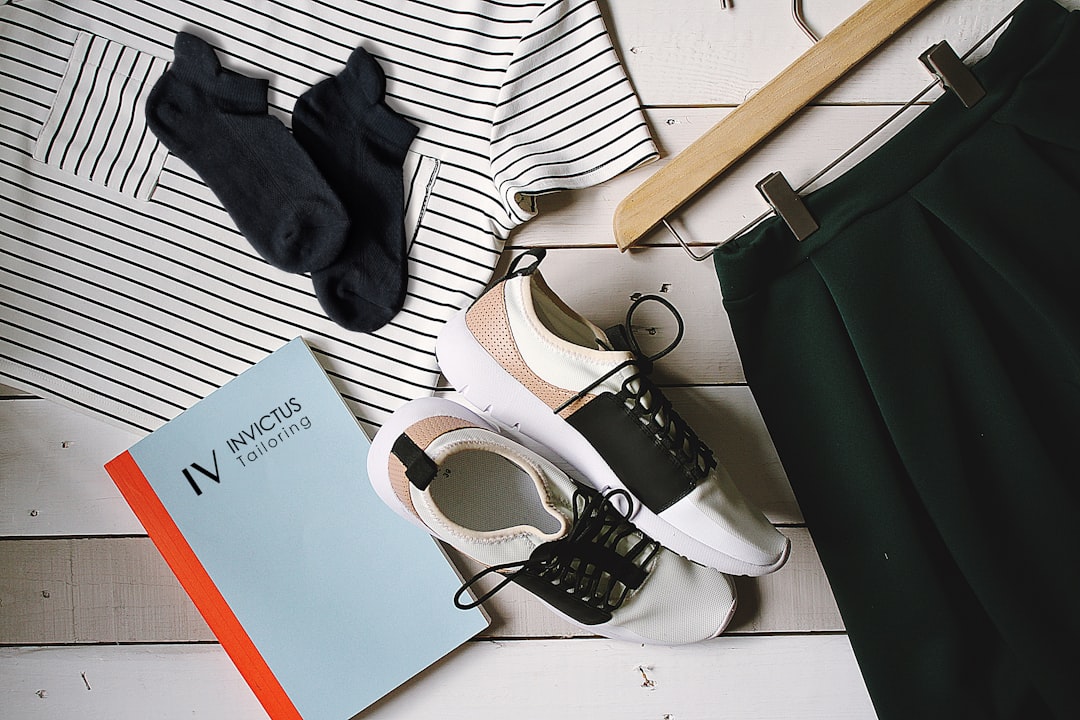
Introduction
Sustainable fashion is an approach to clothing production and consumption that considers the environmental, social, and economic impacts of the fashion industry. With growing awareness of climate change and ethical labor practices, more consumers are seeking ways to make their wardrobes more sustainable. This article explores practical steps to build an eco-friendly wardrobe, offering insights into the benefits and challenges of sustainable fashion.
Key Points
- Understanding Sustainable Fashion: Sustainable fashion involves using eco-friendly materials, ethical labor practices, and reducing waste. It aims to minimize the negative impact of fashion on the environment and society.
- Choosing Sustainable Materials: Opt for natural fibers like organic cotton, hemp, and linen, or recycled materials such as polyester made from plastic bottles. These materials have a lower environmental footprint compared to conventional options.
- Prioritizing Quality Over Quantity: Invest in high-quality, durable clothing that lasts longer, reducing the need for frequent replacements and minimizing waste.
- Supporting Ethical Brands: Research and support brands that prioritize fair labor practices and transparency in their supply chains.
- Secondhand Shopping: Thrift stores, consignment shops, and online platforms offer pre-owned clothing options that extend the life of garments and reduce demand for new production.
- Care and Maintenance: Properly caring for your clothes by following washing instructions and repairing items when needed can extend their lifespan and reduce waste.
- Mindful Consumption: Adopt a minimalist approach by purchasing only what you need and focusing on versatile pieces that can be mixed and matched.
Quick Q&A
- What is sustainable fashion?
Sustainable fashion is an approach to clothing that considers environmental, social, and economic impacts, aiming to reduce harm and promote ethical practices. - Why is sustainable fashion important?
It reduces environmental damage, promotes ethical labor practices, and encourages responsible consumption. - How can I start building a sustainable wardrobe?
Begin by choosing eco-friendly materials, supporting ethical brands, and buying secondhand clothing. - What materials are considered sustainable?
Organic cotton, hemp, linen, and recycled polyester are among the most sustainable materials. - Is sustainable fashion more expensive?
While initial costs may be higher, investing in quality pieces can save money over time by reducing the need for frequent replacements. - How can I care for my clothes sustainably?
Follow care instructions, repair items when needed, and wash clothes in cold water to save energy. - What are some ethical fashion brands?
Brands like Patagonia, Eileen Fisher, and Everlane are known for their commitment to sustainability and ethical practices. - Can fast fashion be sustainable?
Fast fashion is generally not sustainable due to its focus on rapid production and low costs, which often compromise environmental and ethical standards.
Deeper Dive
Sustainable fashion is a multifaceted concept that addresses various aspects of the fashion industry. It encompasses the entire lifecycle of a garment, from design and production to consumption and disposal. The fashion industry is one of the largest polluters globally, contributing significantly to water pollution, greenhouse gas emissions, and textile waste. By adopting sustainable practices, the industry can mitigate these impacts. Eco-Friendly Materials: Sustainable materials are a cornerstone of eco-friendly fashion. Organic cotton, for instance, is grown without harmful pesticides and uses less water than conventional cotton. Hemp is another sustainable option, known for its durability and minimal environmental impact. Recycled materials, such as polyester made from post-consumer plastic bottles, help reduce waste and conserve resources. Ethical Production: Ethical fashion emphasizes fair labor practices, ensuring that workers are paid fair wages and work in safe conditions. Transparency in supply chains allows consumers to make informed decisions about the brands they support. Circular Fashion: This concept involves designing clothes with their end-of-life in mind, promoting recycling and upcycling to extend the lifecycle of garments. Brands are increasingly adopting circular fashion principles to reduce waste and promote sustainability.
US Examples & Data
The United States has seen a growing interest in sustainable fashion, with consumers increasingly prioritizing eco-friendly and ethical choices. According to a 2021 survey by McKinsey & Company, 67% of consumers consider the use of sustainable materials to be an important purchasing factor. Additionally, the resale market is booming, with platforms like ThredUp and Poshmark leading the way in secondhand fashion. The Environmental Protection Agency (EPA) reports that in 2018, 11.3 million tons of textiles were sent to landfills in the US. This highlights the urgent need for sustainable practices in the fashion industry to reduce waste and promote recycling.
Why It Matters
Sustainable fashion is crucial for mitigating the environmental impact of the fashion industry. By choosing sustainable options, consumers can help reduce pollution, conserve resources, and promote ethical labor practices. As awareness grows, the demand for sustainable fashion is likely to increase, encouraging more brands to adopt eco-friendly practices. This shift not only benefits the environment but also supports a more equitable and transparent fashion industry.
Sources
- Environmental Protection Agency (EPA) - Textiles: Material-Specific Data
- McKinsey & Company - The State of Fashion 2021
- Fashion Revolution - Transparency Index
- Patagonia - Environmental & Social Responsibility
- Eileen Fisher - Sustainability
- ThredUp - 2021 Resale Report
Related Topics
- The Impact of Fast Fashion on the Environment
- How to Shop Ethically and Sustainably
- The Rise of Secondhand Fashion
- Understanding Eco-Friendly Fabrics
- The Role of Technology in Sustainable Fashion
Up Next
