Key Renewable Energy Shifts in the US by 2025
Introduction
Renewable energy is rapidly transforming the energy landscape in the United States. As the nation seeks to reduce its carbon footprint and transition to more sustainable energy sources, understanding the trends in renewable energy is crucial. This article explores the key developments, provides examples and data, and explains why these trends matter for the future of energy in the US.
Key Points
- Renewable energy sources are becoming increasingly cost-competitive.
- Solar and wind energy are leading the growth in the renewable sector.
- Government policies and technological advancements are driving the transition.
- The shift to renewables has significant environmental and economic implications.
Main Sections
Growth of Solar and Wind Energy
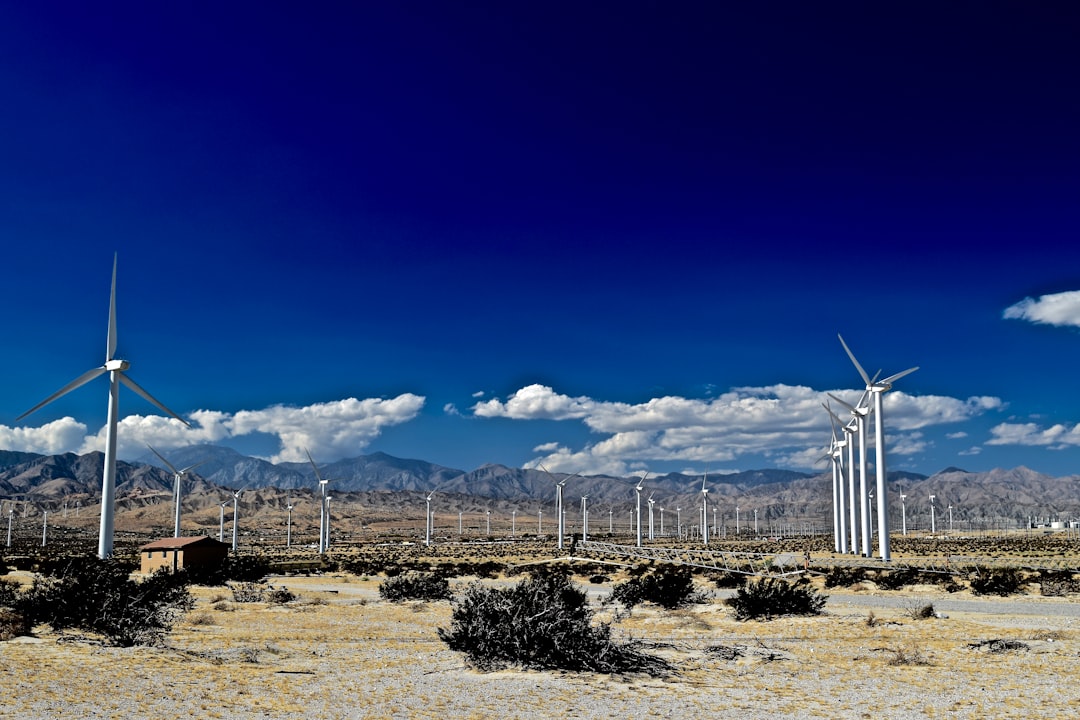
Solar and wind energy have seen remarkable growth in recent years. Technological advancements have significantly reduced the cost of solar panels and wind turbines, making these energy sources more accessible. According to the U.S. Department of Energy, solar energy capacity has increased by more than 20% annually over the past decade. Wind energy has also seen substantial growth, with the US being the second-largest producer of wind power globally.
Government Policies and Incentives
Federal and state governments have implemented various policies to encourage the adoption of renewable energy. The Investment Tax Credit (ITC) and the Production Tax Credit (PTC) have been instrumental in promoting solar and wind energy projects. Additionally, many states have established Renewable Portfolio Standards (RPS) that require a certain percentage of energy to come from renewable sources.
Technological Advancements
Advancements in technology have played a crucial role in the growth of renewable energy. Innovations in battery storage, smart grid technology, and energy efficiency have improved the reliability and integration of renewable energy into the power grid. These technologies help address the intermittency issues associated with solar and wind energy.
Economic Impact
The renewable energy sector has become a significant contributor to the US economy. According to the National Renewable Energy Laboratory, the renewable energy industry supports hundreds of thousands of jobs across the country. The sector's growth is expected to continue, providing economic benefits and job opportunities in various regions.
US Examples & Data
- Solar Energy Growth: According to the Solar Energy Industries Association, the US solar market installed 5.7 gigawatts (GW) of solar capacity in the first quarter of 2023, representing a 47% increase compared to the same period in 2022.
- Wind Energy Statistics: The American Wind Energy Association reports that wind power capacity in the US reached 135 GW by the end of 2022, enough to power over 38 million homes.
Why It Matters
The transition to renewable energy is essential for reducing greenhouse gas emissions and combating climate change. Renewable energy sources such as solar and wind are clean and sustainable, offering a viable alternative to fossil fuels. Moreover, the growth of the renewable energy sector contributes to energy independence, economic growth, and job creation. As the US continues to invest in renewable energy, it sets an example for other nations and plays a crucial role in global efforts to address environmental challenges.
FAQ
What are the main types of renewable energy in the US?
The primary types of renewable energy in the US are solar, wind, hydroelectric, geothermal, and biomass energy.
How does renewable energy benefit the environment?
Renewable energy reduces greenhouse gas emissions, decreases air pollution, and conserves natural resources, contributing to a healthier environment.
What challenges does the renewable energy sector face?
Challenges include the intermittency of solar and wind energy, the need for improved energy storage solutions, and the integration of renewables into the existing power grid.
Sources
- U.S. Department of Energy
- Solar Energy Industries Association
- American Wind Energy Association
- National Renewable Energy Laboratory
- Environmental Protection Agency
Related Topics
- The Role of Energy Storage in Renewable Energy
- Comparing Renewable Energy Policies Across States
- The Future of Electric Vehicles and Renewable Energy Integration
Up Next
