Future Innovation: The Role of STEM Education
Introduction
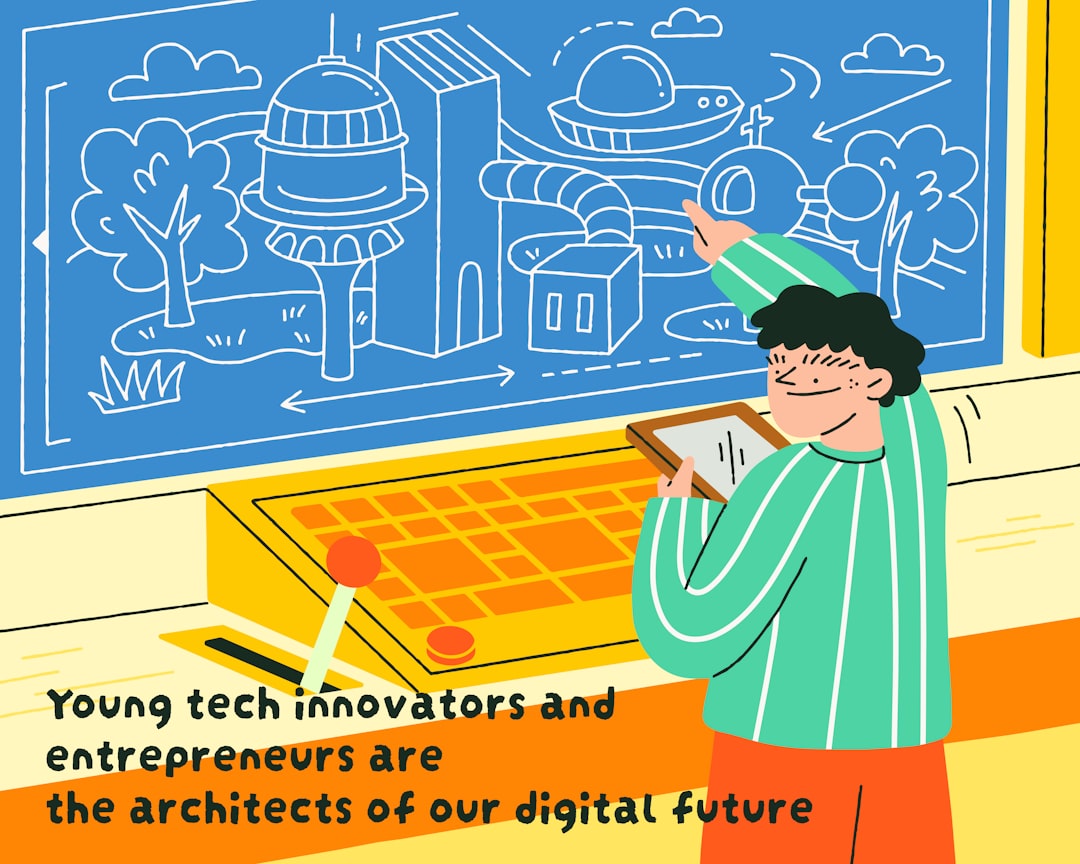
Science, Technology, Engineering, and Mathematics (STEM) education is increasingly recognized as a critical driver of innovation and economic growth. As technology continues to evolve rapidly, the demand for skilled professionals in these fields is growing. This article explores the various STEM initiatives that are shaping future innovation, focusing on trends, implications for US readers, and specific examples and data from the United States.
Key Points
- STEM Education's Role: STEM education is essential for preparing students to meet the challenges of a technology-driven world. It equips learners with critical thinking, problem-solving, and technical skills.
- Government and Private Sector Initiatives: Both government and private sectors are investing in STEM programs to foster innovation and address workforce shortages.
- Diversity and Inclusion: Efforts are being made to increase diversity within STEM fields, ensuring that underrepresented groups have access to opportunities.
- Technological Advancements: STEM initiatives are closely linked to advancements in fields such as artificial intelligence, biotechnology, and renewable energy.
Trends Shaping the Topic
Several trends are influencing the development and implementation of STEM initiatives: 1. Integration of Technology in Education: The use of digital tools and platforms is enhancing STEM learning experiences. Virtual labs, coding boot camps, and online courses are making STEM education more accessible. 2. Focus on Early Education: Introducing STEM concepts at an early age is becoming a priority. Programs targeting elementary and middle school students aim to spark interest and develop foundational skills. 3. Public-Private Partnerships: Collaborations between educational institutions, government agencies, and private companies are expanding resources and opportunities for STEM education. 4. Emphasis on Real-World Applications: STEM programs increasingly focus on practical applications, encouraging students to solve real-world problems through project-based learning. 5. Increased Funding and Resources: There is a growing investment in STEM education from both public and private sectors, aimed at developing infrastructure, training educators, and providing scholarships.
Implications for US Readers
For US readers, the emphasis on STEM initiatives has several implications: - Career Opportunities: As industries evolve, there is a high demand for STEM professionals. Pursuing a STEM education can lead to lucrative and stable career paths. - Economic Growth: STEM fields are crucial for driving innovation and maintaining the United States' competitive edge in the global market. - Educational Access: Efforts to expand STEM education can help bridge educational gaps and provide more equitable access to high-quality learning experiences. - Community Development: Local communities benefit from STEM initiatives through job creation and the development of a skilled workforce.
US Examples & Data
Several initiatives and data points highlight the impact of STEM education in the United States: - National Science Foundation (NSF) Programs: The NSF supports numerous STEM education programs, including grants for research and development in STEM teaching methods. - Code.org: This nonprofit organization works to expand access to computer science education, particularly for young women and underrepresented minorities. It has reached millions of students across the country. - Data from the Bureau of Labor Statistics (BLS): According to the BLS, employment in STEM occupations is projected to grow by 8% from 2019 to 2029, faster than the average for all occupations. - Project Lead The Way (PLTW): PLTW provides transformative learning experiences for K-12 students and teachers across the US, focusing on engineering, biomedical science, and computer science.
Why It Matters
STEM initiatives are crucial for fostering innovation and addressing the challenges of the 21st century. By investing in STEM education, the United States can ensure a steady pipeline of skilled professionals ready to tackle emerging technological challenges. Moreover, promoting diversity and inclusion within STEM fields can lead to more innovative solutions and equitable economic growth.
Sources
- National Science Foundation (NSF) - STEM Education
- Bureau of Labor Statistics - STEM Occupations
- Code.org - About Us
- Project Lead The Way (PLTW)
Related Topics
- The Role of Artificial Intelligence in Education
- The Future of Work: How Automation is Changing Careers
- Diversity and Inclusion in STEM Fields
- The Impact of Technology on Learning and Development
Up Next
