Coast-to-Coast Storms Challenge Holiday Travelers
What happened
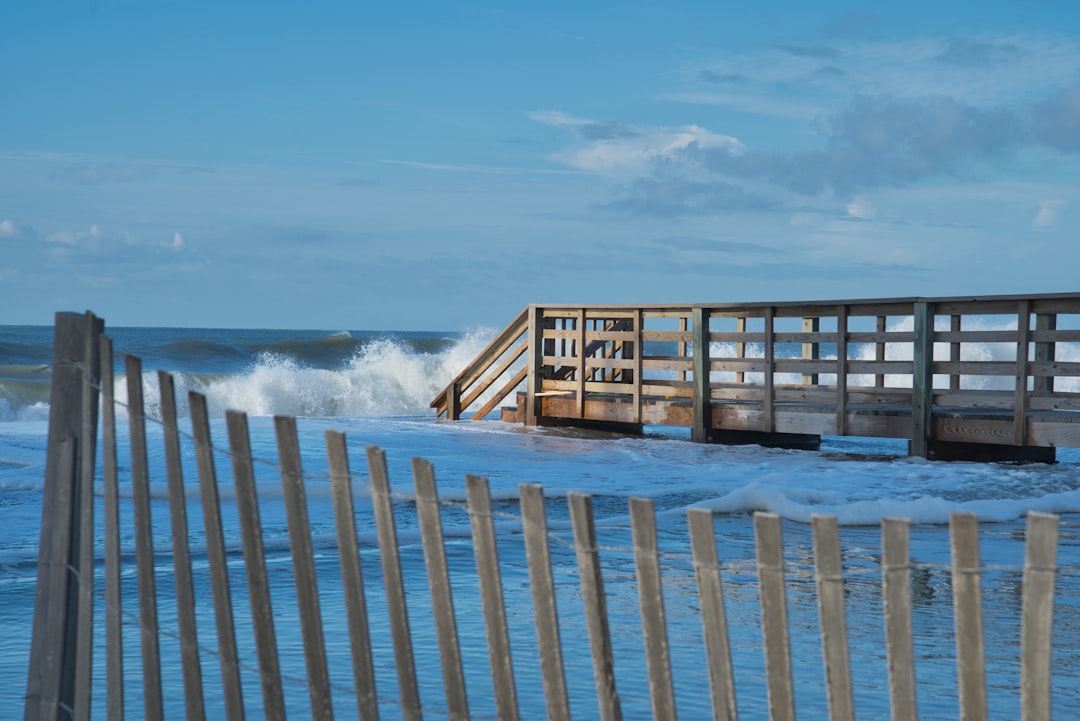
The United States is experiencing severe weather conditions that are affecting holiday travel plans. Storms, strong winds, and fire dangers are impacting various regions from coast to coast.
Key facts
- The news was reported by ABC News.
- The article was published on December 19, 2025.
- Severe weather conditions are affecting holiday travel across the US.
- The specific impacts and regions affected are not detailed in the available information.
Background & context
The holiday season is traditionally one of the busiest travel periods in the United States, with millions of Americans taking to the skies and roads to visit family and friends. This surge in travel coincides with the winter season, which can bring a variety of challenging weather conditions. The US, with its vast and varied geography, is susceptible to a range of weather phenomena. In the winter months, northern states often experience snowstorms and icy conditions, while the southern and western regions may face high winds and dry conditions that elevate fire risks. Winter storms can lead to hazardous driving conditions, flight delays, and cancellations, impacting the travel plans of many. The presence of strong winds can exacerbate these issues by causing power outages and structural damage, further complicating travel logistics. Additionally, dry conditions and high winds increase the risk of wildfires, particularly in areas like California and other parts of the West, where such events can lead to evacuations and road closures.
Why it matters
The impact of severe weather on holiday travel is significant for several reasons. Firstly, it can lead to widespread disruptions, affecting not only individual travelers but also the broader travel industry, including airlines, hotels, and rental car companies. Delays and cancellations can result in financial losses for these businesses and inconvenience for travelers, who may face unexpected expenses and stress. Safety is another critical concern. Severe weather conditions can pose direct threats to travelers, whether through hazardous road conditions or the potential for accidents and injuries. For those traveling by air, turbulence and other weather-related issues can lead to uncomfortable and sometimes dangerous flying conditions. Moreover, the economic implications extend beyond the travel industry. Local economies that rely on tourism and holiday spending may suffer if travelers are deterred by weather-related disruptions. Understanding these potential impacts can help individuals and businesses better prepare for and mitigate the effects of severe weather during the holiday season.
Stakeholders & viewpoints
- Travelers: Individuals planning to travel during the holiday season may face delays or cancellations. They need to stay informed about weather conditions and be prepared for potential changes to their plans. Flexibility and contingency planning are essential.
- Airlines and transportation services: These entities must manage logistical challenges and ensure passenger safety. They are tasked with making difficult decisions about flight schedules and routes, often with limited information about rapidly changing weather conditions. Effective communication with passengers is crucial to maintaining trust and minimizing frustration.
- Local governments and emergency services: They are responsible for responding to weather-related incidents and ensuring public safety. This includes issuing warnings, managing evacuations if necessary, and coordinating with federal agencies to provide resources and support. Their role is vital in minimizing the impact of severe weather on communities.
- Businesses and the travel industry: Hotels, restaurants, and other businesses that rely on holiday travelers must adapt to changing conditions. They may need to adjust staffing levels, manage cancellations, and offer flexible booking policies to accommodate travelers affected by weather disruptions.
Timeline & what to watch next
- Monitor weather forecasts: Staying updated on weather forecasts is crucial for anticipating the severity and path of storms. This information can help travelers and businesses make informed decisions about travel plans and operations.
- Check travel advisories: Airlines and transportation services often issue travel advisories and updates regarding delays and cancellations. Travelers should regularly check these sources for the latest information.
- Stay informed about local emergency services' announcements: Local authorities may issue safety guidelines and warnings related to severe weather. These announcements can provide critical information about road closures, evacuation orders, and other safety measures.
- Prepare for potential disruptions: Travelers and businesses should have contingency plans in place to address potential disruptions. This includes having alternative travel arrangements, emergency supplies, and communication plans to stay connected with family and friends.
Sources
Up Next
