# Ursid Meteor Shower to Peak Before Christmas Eve
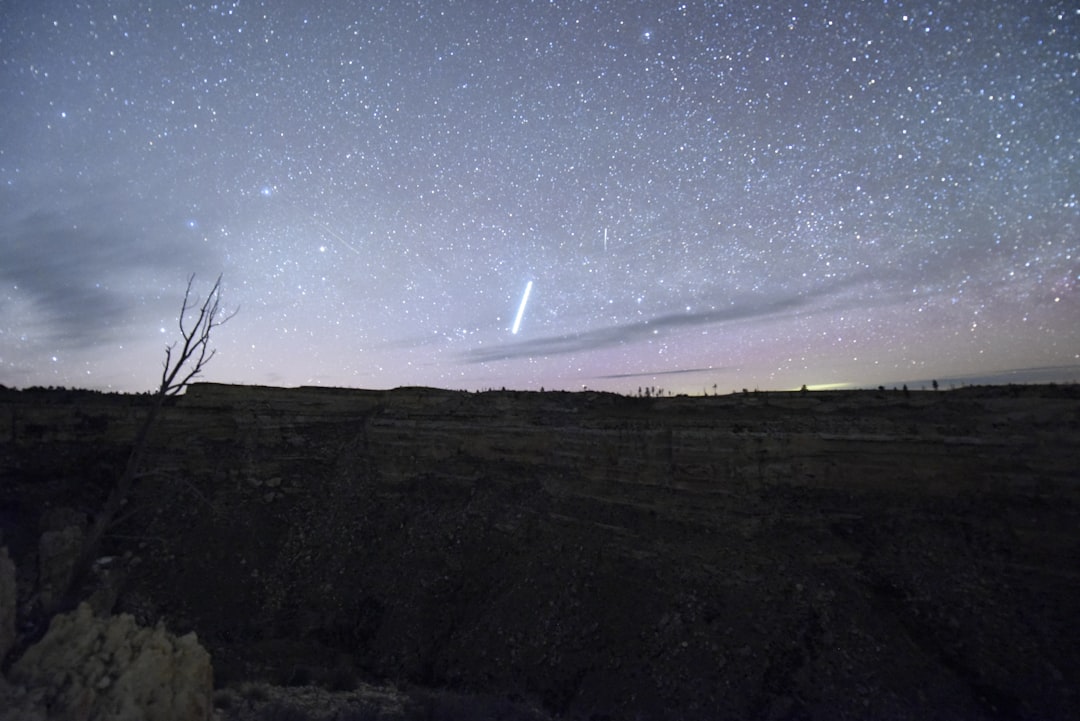
What happened
The Ursid meteor shower, known for its more subdued display compared to other meteor showers, is set to peak just before Christmas. This celestial event will bring glowing streaks to the nighttime and early morning skies.
Key facts
- The Ursid meteor shower is the last major meteor shower of the year.
- It is characterized by its more subdued nature compared to other meteor showers.
- The peak of the Ursid meteor shower occurs just before Christmas.
- The event is visible in the nighttime and early morning skies.
Background & context
Meteor showers are a fascinating astronomical phenomenon that occur when Earth passes through the trail of debris left by comets. As these tiny particles, often no larger than grains of sand, enter Earth's atmosphere at high speeds, they burn up, creating bright streaks of light known as meteors. The Ursid meteor shower is specifically associated with the comet 8P/Tuttle, a periodic comet that orbits the sun approximately every 13.6 years. The shower is named after the constellation Ursa Minor, from which the meteors appear to radiate. This constellation, also known as the Little Bear, is home to the North Star, Polaris, which has been a crucial navigational star throughout history. The Ursids are considered a minor meteor shower, especially when compared to more prominent showers like the Perseids or Geminids. Typically, observers can expect to see around 5 to 10 meteors per hour at its peak under optimal conditions. However, the Ursids can occasionally surprise with higher rates of activity, making them an intriguing event for dedicated skywatchers.
Why it matters (for US readers)
For skywatchers and astronomy enthusiasts in the United States, the Ursid meteor shower offers a chance to witness a natural light show during the holiday season. This timing provides a unique opportunity for families and individuals to gather outdoors and enjoy the wonders of the night sky, potentially fostering a deeper interest in astronomy. The event also serves as an educational moment, allowing educators and students to explore topics such as the solar system, cometary orbits, and the science behind meteor showers. In a broader sense, events like the Ursid meteor shower can inspire a sense of wonder and curiosity about the universe. They remind us of our place in the cosmos and the dynamic nature of the celestial sphere. For many, observing meteor showers can be a meditative experience, offering a moment of reflection and connection with the natural world.
Stakeholders & viewpoints
- Astronomy enthusiasts: Look forward to observing and documenting the meteor shower. For these individuals, the Ursids represent an opportunity to engage with the night sky and potentially capture photographs or data that contribute to a broader understanding of meteor activity.
- Educators and students: May use the event as a learning opportunity about meteor showers and astronomy. Schools and educational institutions might organize viewing events or incorporate the shower into science curricula, using it as a practical example of astronomical phenomena.
- General public: Interested in experiencing a natural spectacle during the holiday season. For many, the Ursids offer a chance to step away from the hustle and bustle of daily life and appreciate the beauty of the universe.
Timeline & what to watch next
- The Ursid meteor shower peaks just before Christmas, making it a timely event for holiday gatherings.
- Best viewing times are during the nighttime and early morning hours when the sky is darkest. Observers should aim to view the shower after midnight and before dawn for the best chance of seeing meteors.
- To maximize the viewing experience, observers should find a dark location away from city lights. Light pollution can significantly diminish the visibility of meteors, so rural areas or designated dark sky parks are ideal.
- Looking towards the constellation Ursa Minor can help locate the radiant point of the shower, though meteors can appear anywhere in the sky.
Sources
Up Next
