Comet 3I/ATLAS Makes Close Approach to Earth
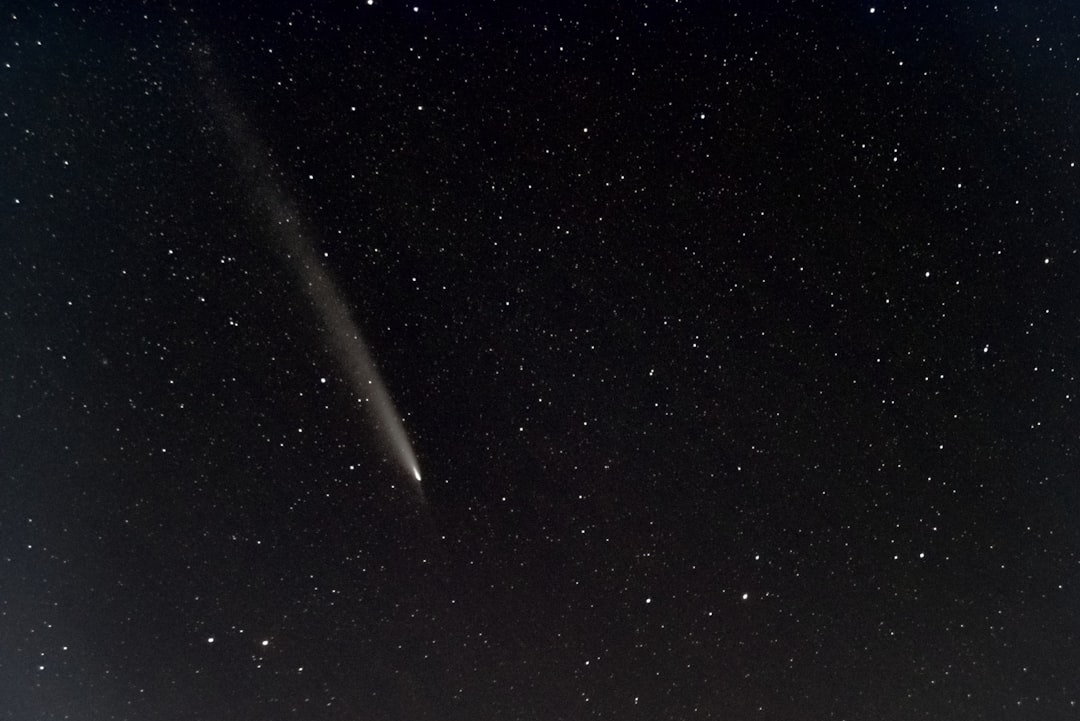
What happened
On December 19, 2025, the interstellar comet 3I/ATLAS made a close approach to Earth. This event has captured the attention of astronomers and space enthusiasts alike, as it provides a unique opportunity to observe a comet from outside our solar system.
Key facts
- Event Date: December 19, 2025
- Comet Name: 3I/ATLAS
- Type: Interstellar comet
- Source: Space.com
- Published: December 19, 2025
Background & context
Comets are fascinating celestial objects composed primarily of ice, dust, and rocky material. They originate from the cold outer regions of solar systems, such as the Kuiper Belt or the Oort Cloud in our own solar system. As they travel closer to the sun, the increase in temperature causes the ice to vaporize, releasing gases and dust that form a glowing coma and often a spectacular tail. This process makes comets visible from Earth and provides valuable data for scientists. Interstellar comets, like 3I/ATLAS, are particularly intriguing because they originate from outside our solar system. They travel through interstellar space, carrying with them material from other star systems. The study of such comets can offer insights into the conditions and processes occurring in distant parts of the galaxy. The first known interstellar object to visit our solar system was 'Oumuamua in 2017, which sparked significant interest and debate within the scientific community.
Why it matters (for US readers)
The close approach of comet 3I/ATLAS is significant for several reasons. Scientifically, it presents a rare chance to study the composition and behavior of an interstellar object. By analyzing the materials and trajectory of 3I/ATLAS, scientists can gain a better understanding of the building blocks of other star systems, potentially offering clues about the formation and evolution of planets and other celestial bodies. For the general public, events like this can ignite curiosity and inspire a deeper interest in space and science. The visibility of such a comet can serve as an educational tool, encouraging people to learn more about astronomy and the universe. In the United States, where space exploration has a rich history and continues to be a field of national interest, such events can foster public support for scientific research and space missions.
Stakeholders & viewpoints
- Astronomers and Scientists: For researchers, the flyby of 3I/ATLAS is a golden opportunity to collect data on an interstellar object. By studying its composition, scientists hope to understand more about the materials present in other star systems and how they compare to those in our own solar system. The trajectory and speed of the comet can also provide insights into the dynamics of interstellar travel.
- Space Enthusiasts and the Public: This event is a source of excitement for space enthusiasts and the general public. The chance to witness an interstellar comet is rare, and it can be a captivating experience for those interested in astronomy. Public engagement in such events can lead to increased interest in space-related activities and education.
- Educational Institutions: Schools and universities may use the event as a teaching moment to promote science education. By incorporating real-time astronomical events into the curriculum, educators can make science more relatable and engaging for students. This can help inspire the next generation of scientists and engineers.
Timeline & what to watch next
- December 19, 2025: Comet 3I/ATLAS makes its closest approach to Earth. During this time, telescopes and observatories around the world will be focused on capturing data and images of the comet.
- Post-Event: After the flyby, scientists will analyze the data collected to draw conclusions about the comet's composition and origin. This analysis may take months or even years, as researchers work to understand the implications of their findings.
- Future Observations: As 3I/ATLAS continues its journey through the solar system, astronomers will keep monitoring its path. Future observations may reveal more about its trajectory and any changes in its composition as it moves away from the sun.
Sources
Up Next
