Comet 3I/ATLAS Nears Earth for Closest Approach
What happened
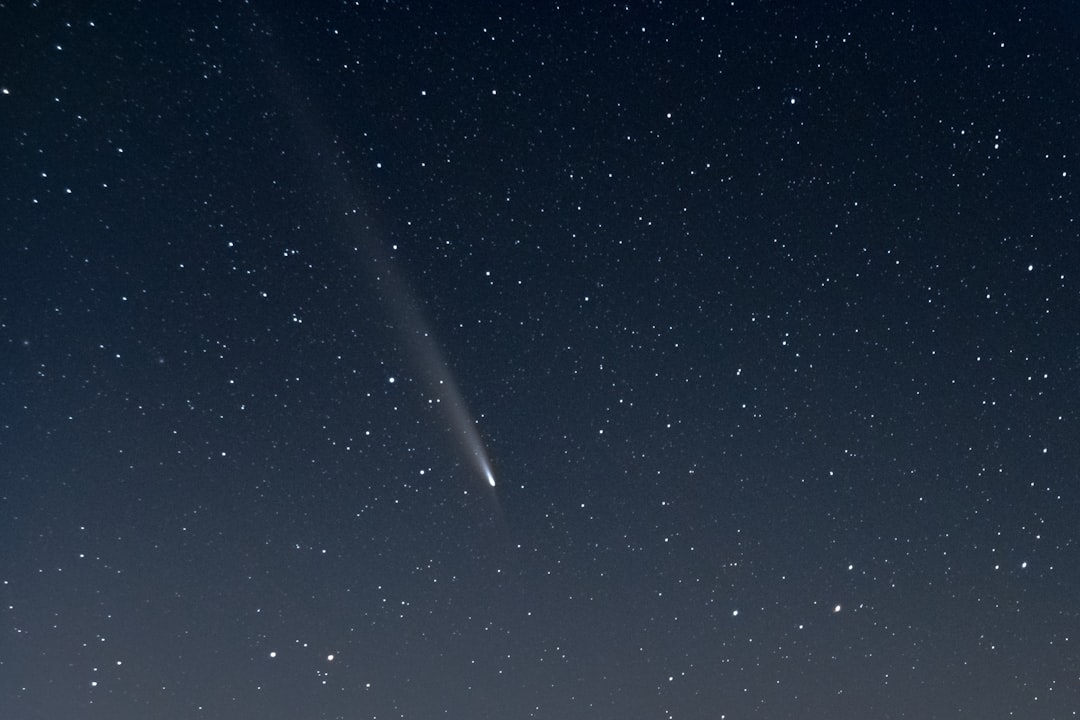
This week, interstellar comet 3I/ATLAS is making its closest approach to Earth. This event is part of a holiday flyby, providing a unique opportunity for observation and study.
Key facts
- The comet 3I/ATLAS is an interstellar object, meaning it originates from outside our solar system.
- The closest approach to Earth is happening this week, as reported on December 17, 2025.
- The event is being covered by Space.com, a reputable source for space-related news.
Background & context
Interstellar comets like 3I/ATLAS are rare visitors to our solar system. Unlike comets that originate from the Oort Cloud or the Kuiper Belt within our solar system, interstellar comets travel vast distances across the galaxy. Their presence offers a rare glimpse into the materials and conditions that exist in other star systems. The study of these objects can provide insights into the processes that govern the formation and evolution of planetary systems beyond our own. By analyzing the composition of 3I/ATLAS, scientists can compare it with known solar system bodies, potentially identifying unique elements or compounds that could inform theories about the diversity of planetary formation.
Why it matters (for US readers)
For US readers, the flyby of comet 3I/ATLAS represents a significant opportunity for both professional astronomers and amateur stargazers to observe a rare interstellar object. Events like this can inspire interest in space science and foster a greater understanding of our place in the universe. The visibility of such a comet can captivate the public's imagination, drawing attention to the broader field of astronomy and encouraging educational pursuits in science, technology, engineering, and mathematics (STEM). Additionally, the event can serve as a catalyst for public engagement, with observatories and planetariums potentially hosting viewing events and educational programs to enhance community involvement in space exploration.
Stakeholders & viewpoints
- Astronomers and Scientists: They are keenly interested in studying 3I/ATLAS to gather data on its composition and trajectory, which can contribute to our understanding of interstellar objects. The data collected can help refine models of how such objects travel through space and interact with solar systems.
- Space Enthusiasts and the General Public: This event is an exciting opportunity for sky watchers and those interested in space to witness a rare celestial event. The comet's flyby can stimulate public interest in astronomy and space exploration, potentially leading to increased support for scientific research and funding.
- Educational Institutions: Schools and universities may use this event as a teaching moment to engage students with real-time astronomical phenomena. The comet's approach can be integrated into curricula, offering students a practical example of how scientific observations are conducted and analyzed.
Timeline & what to watch next
- December 17, 2025: The comet makes its closest approach to Earth. This date marks the peak opportunity for observation, with astronomers and enthusiasts alike focusing their telescopes on the sky.
- Post-Flyby: Scientists will analyze data collected during the flyby to learn more about the comet's characteristics. This analysis will involve studying the comet's trajectory, speed, and composition, providing valuable information about its origin and the environment it has traveled through.
- Future Observations: Continued monitoring of 3I/ATLAS as it moves away from Earth. As the comet continues its journey, astronomers will track its path to gather further insights into its behavior and any potential interactions with other celestial bodies.
Sources
Up Next
