US Renewable Energy Trends to Watch in 2025
Introduction
The renewable energy sector in the United States has seen significant growth and transformation over the past decade. As concerns about climate change and energy security intensify, the shift towards sustainable energy sources has become a national priority. This article delves into the current trends in renewable energy, examining key developments, practical steps for implementation, common pitfalls, and why these trends are crucial for the future.
Key Points
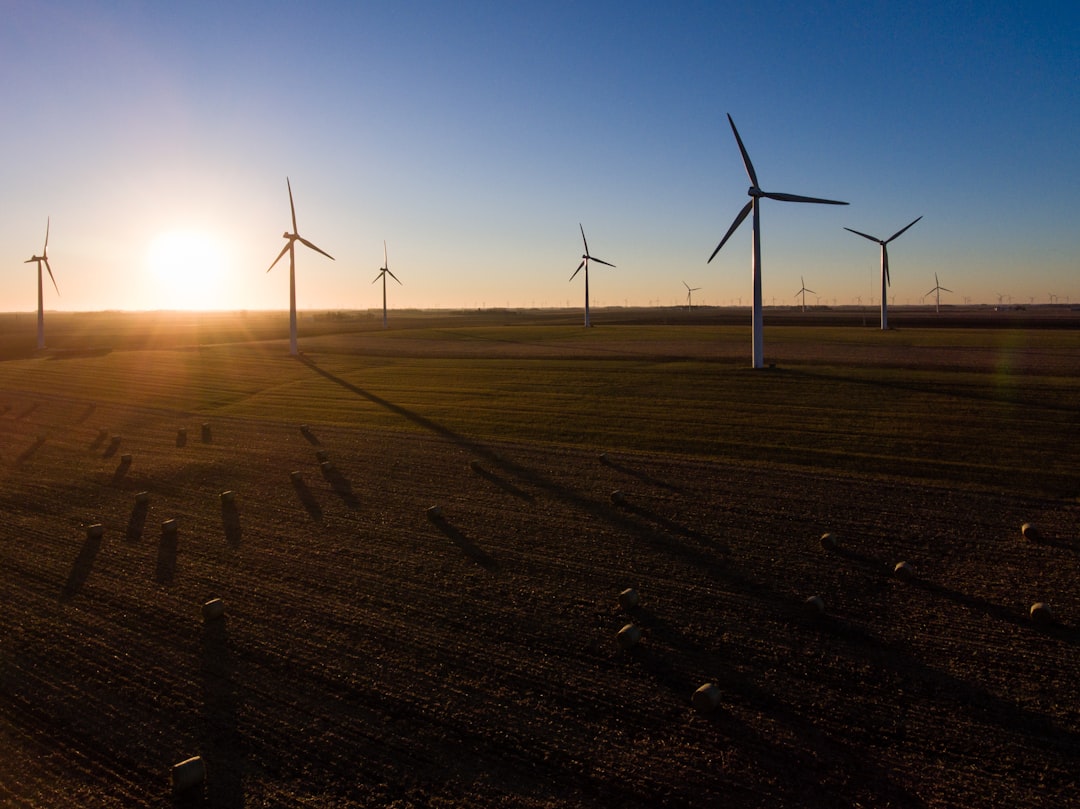
- Growth of Solar and Wind Energy: Solar and wind energy have become the fastest-growing sources of electricity in the US, driven by technological advancements and decreasing costs.
- State-Level Initiatives: States like California, Texas, and New York are leading the way with ambitious renewable energy targets and policies.
- Federal Support and Policies: Federal incentives, such as tax credits and grants, have played a significant role in promoting renewable energy projects.
- Grid Modernization: Upgrading the national grid to accommodate renewable energy sources is a critical component of the transition.
- Corporate Investment: Many corporations are investing in renewable energy to meet sustainability goals and reduce operational costs.
Step-by-Step
- Assess Energy Needs: Determine the energy requirements of your home or business to identify suitable renewable energy solutions.
- Research Local Incentives: Investigate state and federal incentives that can offset the cost of renewable energy installations.
- Choose the Right Technology: Decide between solar, wind, geothermal, or other renewable sources based on geographic and economic factors.
- Select a Reputable Installer: Hire certified professionals to ensure proper installation and compliance with local regulations.
- Monitor Energy Production: Use monitoring systems to track energy production and consumption, optimizing efficiency.
- Maintain Equipment: Regular maintenance is essential to ensure the longevity and performance of renewable energy systems.
- Evaluate Financial Benefits: Periodically assess the financial savings and environmental impact of your renewable energy system.
Common Mistakes & Fixes
- Underestimating Costs: Many underestimate the initial investment required. Fix: Conduct a thorough cost-benefit analysis before committing.
- Ignoring Maintenance: Neglecting regular maintenance can lead to decreased efficiency. Fix: Set up a maintenance schedule with your installer.
- Overlooking Grid Compatibility: Failing to consider grid compatibility can lead to inefficiencies. Fix: Consult with utility providers during the planning stage.
- Inadequate Research on Incentives: Missing out on available incentives can increase costs. Fix: Stay informed about local, state, and federal programs.
US Examples & Data
- California: As of 2022, California generated over 30% of its electricity from renewable sources, with solar power leading the charge.
- Texas: Texas is a leader in wind energy, producing more wind power than any other state, accounting for approximately 28% of the US total in 2021.
- New York: New York has set a target to achieve 70% renewable energy by 2030, with significant investments in offshore wind projects.
- Federal Data: According to the U.S. Energy Information Administration (EIA), renewable energy accounted for about 20% of the total electricity generation in the US in 2021.
Why It Matters
The transition to renewable energy is crucial for reducing greenhouse gas emissions, enhancing energy security, and fostering economic growth. By investing in renewable technologies, the US can lead the global effort to combat climate change while creating jobs and promoting technological innovation. The shift also reduces dependency on fossil fuels, contributing to a more sustainable and resilient energy infrastructure.
Sources
- U.S. Energy Information Administration (EIA)
- National Renewable Energy Laboratory (NREL)
- Department of Energy (DOE)
- Pew Research Center
- Union of Concerned Scientists
Related Topics
- The Impact of Climate Change on US Energy Policy
- Innovations in Energy Storage Technologies
- The Role of Electric Vehicles in Renewable Energy Transition
- State-by-State Analysis of Renewable Energy Policies
Up Next
