Understanding the Microbiome: Key Insights for 2025
Introduction
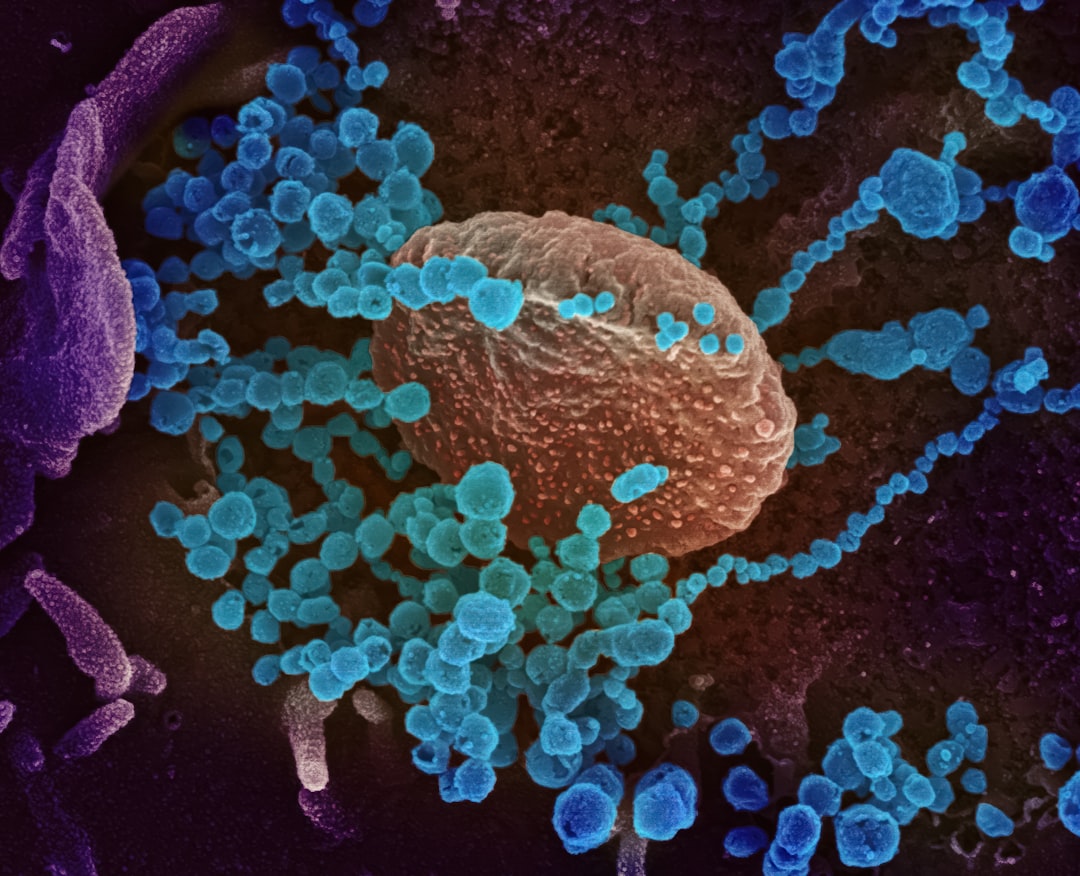
The human microbiome, a collection of trillions of microorganisms living in and on our bodies, plays a crucial role in our overall health. These microorganisms, including bacteria, viruses, fungi, and other microbes, are primarily found in the gut but also inhabit the skin, mouth, and other areas. Recent scientific advancements have shed light on how the microbiome influences various aspects of health, from digestion to immune function and even mental health.
Key Points
- Composition and Diversity: The microbiome is highly diverse, with each individual hosting a unique microbial community. Factors such as diet, environment, genetics, and lifestyle influence this diversity.
- Gut Health: The gut microbiome is integral to digestion and nutrient absorption. It helps break down complex carbohydrates and synthesizes essential vitamins like B and K.
- Immune System Regulation: A balanced microbiome supports the immune system by preventing the growth of harmful pathogens and training immune cells to distinguish between harmful and harmless entities.
- Mental Health Connection: Emerging research suggests a link between the gut microbiome and mental health, often referred to as the "gut-brain axis." Changes in gut bacteria have been associated with conditions like depression and anxiety.
- Disease Association: Imbalances in the microbiome, known as dysbiosis, have been linked to various diseases, including inflammatory bowel disease, obesity, type 2 diabetes, and certain cancers.
Case Study
Consider the case of Sarah, a 35-year-old woman from California who has been experiencing digestive issues, including bloating and irregular bowel movements, for several months. After consulting with her healthcare provider, Sarah underwent a comprehensive stool analysis, which revealed an imbalance in her gut microbiome. Her doctor recommended dietary changes, including increased fiber intake and the introduction of probiotics, to restore balance. Over the following months, Sarah noticed significant improvements in her digestive health and overall well-being.
Analysis
The case of Sarah highlights the practical implications of microbiome research. By understanding the composition and function of the microbiome, healthcare providers can offer targeted interventions to improve health outcomes. The use of probiotics and prebiotics, which promote the growth of beneficial bacteria, is a growing area of interest. However, the effectiveness of these interventions can vary based on individual microbiome compositions, emphasizing the need for personalized approaches.
US Examples & Data
In the United States, research on the microbiome is expanding rapidly. The National Institutes of Health (NIH) launched the Human Microbiome Project in 2007 to explore the role of the microbiome in human health and disease. According to the NIH, the project has identified over 10,000 microbial species in the human body, with the majority residing in the gut. The Centers for Disease Control and Prevention (CDC) also recognizes the importance of the microbiome in public health. Studies have shown that Americans' dietary patterns, which often include high levels of processed foods and low fiber intake, can negatively impact microbiome diversity.
Why It Matters
Understanding the microbiome is crucial for advancing medical science and improving public health. As research continues to uncover the complex interactions between microbes and their human hosts, new therapeutic strategies may emerge for preventing and treating a wide range of diseases. Additionally, public awareness of the microbiome's role in health can lead to more informed lifestyle choices, promoting better health outcomes.
Sources
- National Institutes of Health - Human Microbiome Project
- Centers for Disease Control and Prevention - Microbiome
- National Center for Biotechnology Information - Gut Microbiota
Related Topics
- Probiotics and Prebiotics: Their Role in Health
- The Gut-Brain Axis: Understanding the Connection
- Dietary Impact on Microbiome Diversity
- Microbiome and Immune System Interactions
Up Next
