Measles Cases Rise in South Carolina, Arizona, Utah
What happened
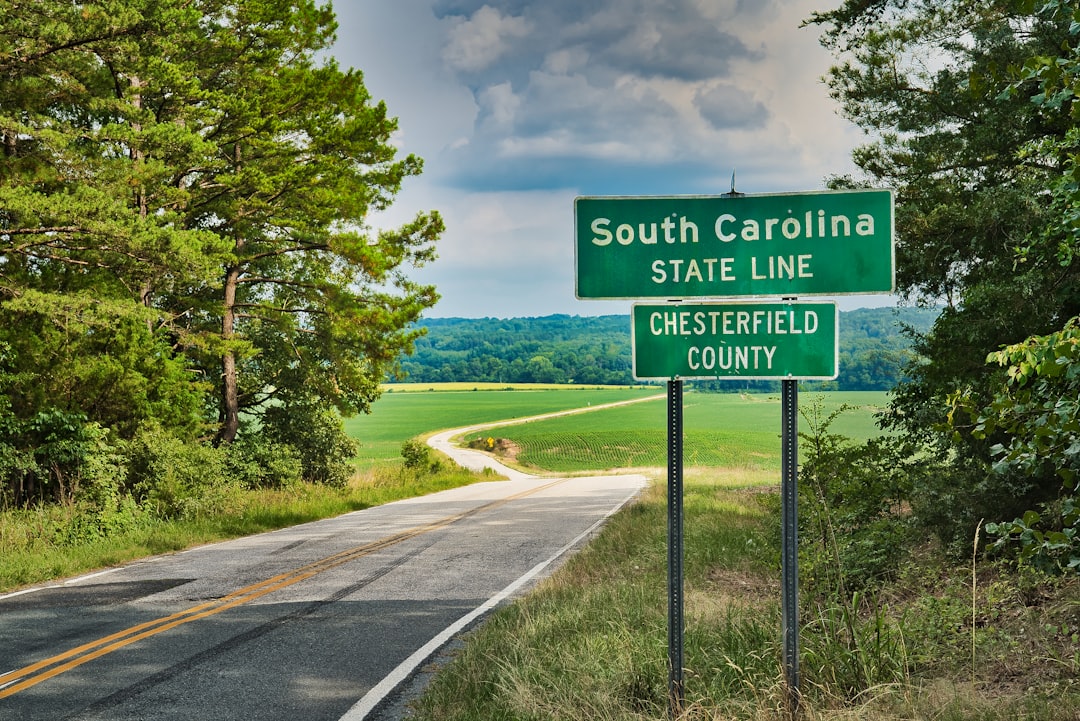
Measles outbreaks have intensified in the states of South Carolina, Arizona, and Utah. This surge is part of a national trend, with the total number of cases approaching 2,000. Measles was declared eliminated in the United States in 2000 due to widespread vaccination efforts.
Key facts
- The measles case count in the United States is nearing 2,000.
- Measles was considered eliminated in the U.S. since 2000.
- The current outbreaks are notably affecting South Carolina, Arizona, and Utah.
Background & context
Measles is a highly contagious viral disease characterized by symptoms such as fever, cough, runny nose, and a distinctive red rash. It can lead to severe complications, including pneumonia, encephalitis, and even death, particularly in young children and individuals with compromised immune systems. The disease spreads through respiratory droplets and can remain airborne for up to two hours in an enclosed space, making it exceptionally transmissible. The declaration of measles elimination in the U.S. in 2000 was a significant public health achievement, largely attributed to the success of routine childhood vaccination programs. The measles, mumps, and rubella (MMR) vaccine is highly effective, with two doses providing about 97% protection against measles. However, outbreaks can still occur, especially in communities with low vaccination rates. Factors contributing to these outbreaks include vaccine hesitancy, misinformation about vaccine safety, and access barriers to healthcare services.
Why it matters
For U.S. readers, the resurgence of measles is a significant public health concern. It underscores the critical importance of maintaining high vaccination rates to prevent outbreaks. The increase in cases poses a threat not only to individual health but also to public health infrastructure. Healthcare systems may face increased pressure, as outbreaks can lead to a surge in hospitalizations and require extensive resources for containment and treatment efforts. The resurgence of measles also highlights broader issues related to public health policy and education. Ensuring accurate information about vaccines and addressing misinformation are crucial steps in preventing future outbreaks. The situation serves as a reminder of the interconnectedness of global health, as measles can be imported from other countries where the disease is still prevalent.
Stakeholders & viewpoints
- Public Health Officials: They are deeply concerned about the spread of measles and emphasize the need to increase vaccination coverage. Public health campaigns may focus on educating communities about the safety and efficacy of vaccines.
- Healthcare Providers: These professionals are on the front lines, treating affected individuals and working to prevent further transmission. They play a vital role in identifying cases early and implementing isolation measures to control outbreaks.
- Parents and Guardians: Many are worried about the safety and health of their children, especially in areas experiencing outbreaks. They may seek guidance on vaccination and ways to protect their families.
- Policy Makers: Tasked with addressing vaccination policies and public health strategies, they must balance individual rights with community health needs. Policy makers may consider measures to increase vaccination rates, such as mandating vaccines for school entry or providing incentives for vaccination.
Timeline & what to watch next
- Monitor the progression of measles cases: Keeping track of case numbers in the affected states will be crucial for understanding the outbreak's trajectory and effectiveness of containment measures.
- Public health announcements: Watch for updates on vaccination campaigns and any new strategies to increase vaccine uptake. Public health agencies may also issue guidelines for healthcare providers and the public.
- Changes in vaccination policies: Observe any legislative or policy changes at the state or federal level aimed at improving vaccination rates. This could include new mandates or funding for public health initiatives.
- Impact on healthcare systems: Look for reports on how local healthcare systems are coping with the outbreaks. This includes assessing the availability of resources, such as hospital beds and medical staff, to manage increased patient loads.
Sources
Up Next
