How Tech Milestones Altered U.S. Work Life
Introduction
The evolution of technology has profoundly impacted the way Americans work, reshaping industries and altering daily routines. From the Industrial Revolution to the Digital Age, each technological advancement has brought about significant changes in productivity, communication, and the nature of work itself. This article delves into the key technological milestones that have rewired American work, examining their historical context and lasting effects.
Key Points
- The Industrial Revolution: The introduction of machinery in the late 18th and early 19th centuries marked the beginning of mass production and factory work, shifting labor from agrarian to industrial settings.
- The Telephone: Invented by Alexander Graham Bell in 1876, the telephone revolutionized communication, enabling real-time voice interaction over long distances and transforming business operations.
- The Assembly Line: Popularized by Henry Ford in the early 20th century, the assembly line drastically increased manufacturing efficiency and reduced costs, setting a new standard for production.
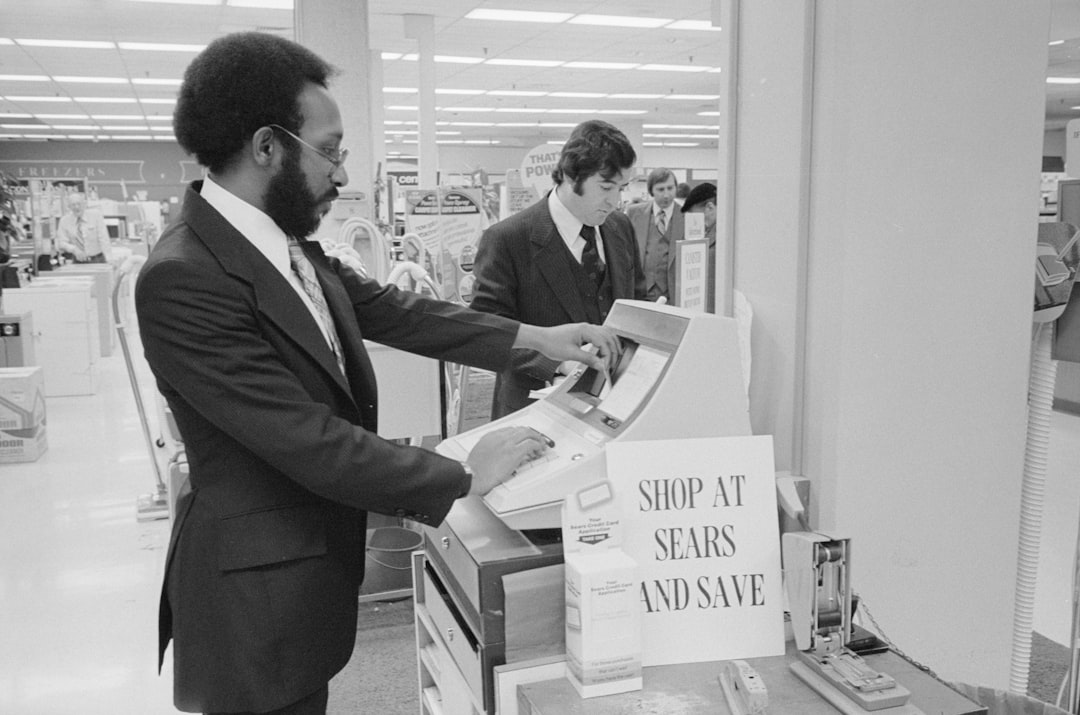
- The Personal Computer: The advent of personal computers in the 1970s and 1980s democratized computing power, allowing individuals and small businesses to leverage technology for various tasks.
- The Internet: The commercialization of the internet in the 1990s connected the world like never before, facilitating instant communication, information sharing, and the rise of e-commerce.
- Mobile Technology: The proliferation of smartphones and mobile devices in the 21st century has enabled remote work and constant connectivity, blurring the lines between work and personal life.
- Artificial Intelligence and Automation: Recent advancements in AI and automation are transforming industries by optimizing processes, enhancing decision-making, and creating new job roles.
Quick Q&A
- What was the first major technological milestone in American work?
The Industrial Revolution, which introduced machinery and factory work. - How did the telephone change business operations?
It enabled real-time voice communication over long distances, improving coordination and decision-making. - What impact did the assembly line have on manufacturing?
It increased efficiency and reduced production costs, revolutionizing mass production. - When did personal computers become widely available?
In the 1970s and 1980s, making computing power accessible to individuals and small businesses. - How did the internet transform the workplace?
It facilitated instant communication, information sharing, and the growth of e-commerce. - What role does mobile technology play in modern work?
It enables remote work and constant connectivity, allowing for greater flexibility. - How is AI impacting American work today?
AI is optimizing processes, enhancing decision-making, and creating new job roles across industries. - What is the significance of automation in the workplace?
Automation increases efficiency and can perform repetitive tasks, freeing up human workers for more complex activities.
Deeper Dive
The Industrial Revolution
The Industrial Revolution marked a pivotal shift from manual labor to mechanized production. This era saw the rise of factories, which centralized production and introduced new machinery such as the steam engine. These innovations increased productivity and reduced the reliance on human labor for repetitive tasks. The shift from rural to urban living was also a significant consequence, as people moved to cities in search of factory jobs.
The Telephone
The invention of the telephone by Alexander Graham Bell in 1876 was a breakthrough in communication technology. Businesses could now communicate instantly over long distances, which was previously impossible with telegraphs that required written messages. This innovation not only improved business operations but also laid the groundwork for future communication technologies.
The Assembly Line
Henry Ford's implementation of the assembly line in 1913 revolutionized manufacturing. By breaking down production into simple, repetitive tasks, Ford was able to produce automobiles more quickly and at a lower cost. This method of production was soon adopted by other industries, setting a new standard for efficiency and productivity.
The Personal Computer
The introduction of personal computers in the late 20th century transformed the workplace by making computing accessible to the masses. Companies like Apple and IBM led the charge, providing tools that enhanced productivity, data management, and communication. This democratization of technology empowered individuals and small businesses to compete in a rapidly changing economy.
The Internet
The commercialization of the internet in the 1990s connected people and businesses globally. It enabled instant communication through email, revolutionized information access via search engines, and gave rise to e-commerce platforms like Amazon and eBay. The internet has become an indispensable tool for modern businesses, facilitating everything from marketing to customer service.
Mobile Technology
The rise of mobile technology in the 21st century has further transformed the workplace. Smartphones and tablets allow employees to work from anywhere, providing flexibility and enhancing productivity. This constant connectivity has also led to the emergence of the gig economy, where freelance and contract work are more prevalent.
Artificial Intelligence and Automation
AI and automation are the latest frontiers in technological advancement. These technologies are being integrated into various industries to optimize processes, enhance decision-making, and create new job roles. While there are concerns about job displacement, AI also offers opportunities for innovation and efficiency improvements.
US Examples & Data
- Industrial Revolution: By 1860, the US had over 1,000 factories, employing more than 1.3 million workers, according to the US Census Bureau.
- Telephone: By 1900, there were approximately 1.3 million telephones in the US, facilitating business and personal communication.
- Assembly Line: Ford's assembly line reduced the time to build a car from over 12 hours to just 1.5 hours, drastically lowering costs.
- Personal Computers: By 1984, Apple had sold over 500,000 Macintosh computers, making computing accessible to a broader audience.
- Internet: As of 2021, over 90% of Americans had access to the internet, according to the Pew Research Center, highlighting its ubiquity in modern life.
- Mobile Technology: The Bureau of Labor Statistics reports that as of 2020, 24% of employed Americans worked remotely at least part of the time, a trend facilitated by mobile technology.
- AI and Automation: A 2020 report by the Brookings Institution estimated that 25% of US jobs are at high risk of automation, indicating significant potential for change in the labor market.
Why It Matters
Understanding the technological milestones that have reshaped American work is crucial for anticipating future trends and preparing for the challenges and opportunities they present. Each technological advancement has not only increased productivity and efficiency but also altered the skills required in the workforce. As technology continues to evolve, staying informed about these changes can help individuals and businesses adapt and thrive in a rapidly changing economic landscape.
Sources
- US Census Bureau - Historical Statistics of the United States
- Pew Research Center - Internet/Broadband Fact Sheet
- Brookings Institution - Automation and Artificial Intelligence
- Bureau of Labor Statistics - American Time Use Survey
- National Museum of American History - The Assembly Line
- Library of Congress - Alexander Graham Bell Family Papers
Related Topics
- The Future of Work in the Age of AI
- The Role of Education in a Technologically Advanced Workforce
- The Impact of Remote Work on Urban Development
- The History of Communication Technology in the US
- The Evolution of Manufacturing in America
Up Next
