Flash Flood Warning Issued After White River Breach
What happened
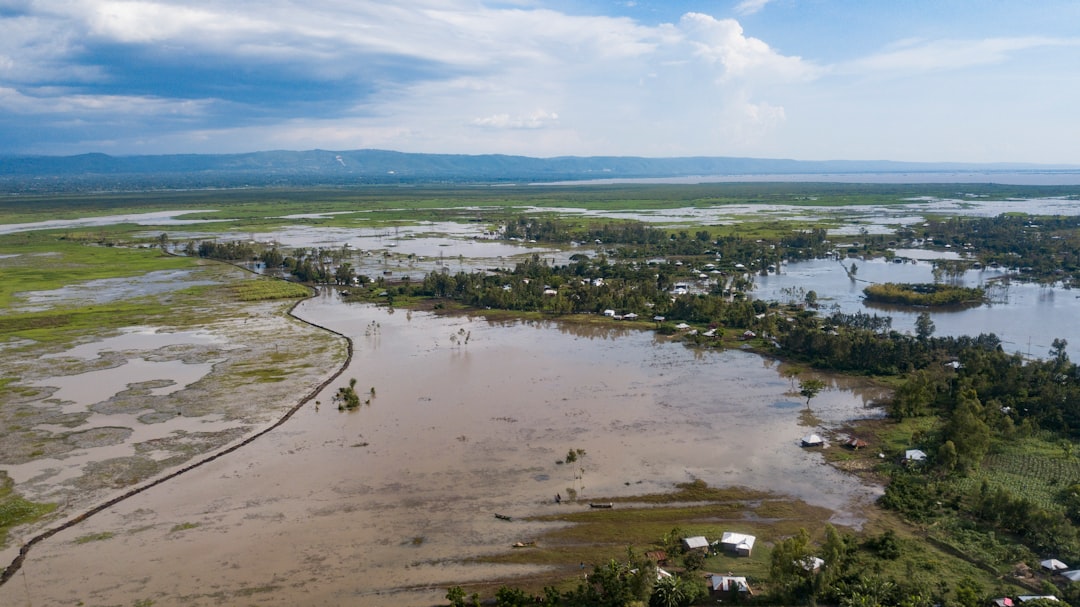
A flash flood warning has been issued following a breach in the White River levee in the city of Pacific, located in King County. As a result, "GO NOW" evacuation orders have been implemented early Tuesday to ensure the safety of residents in the affected areas.
Key facts
- The flash flood warning was prompted by a levee breach on the White River.
- Evacuations are currently taking place in the city of Pacific.
- The situation has been reported by KOMO News.
- The event was published on December 16, 2025.
Background & context
Levee breaches are critical events that occur when a levee, designed to prevent flooding by holding back water, fails. This can happen due to a variety of reasons, including excessive rainfall, which increases water pressure against the levee, or structural weaknesses that may have developed over time. In the Pacific Northwest, where the city of Pacific is located, heavy rainfall is not uncommon, especially during certain seasons. This region's geography, characterized by rivers and valleys, can exacerbate flooding risks. Flash floods are particularly dangerous because they can develop rapidly, often with little warning, and can sweep away anything in their path. The National Weather Service issues flash flood warnings to alert residents of the immediate danger, emphasizing the need for quick action to ensure safety. Such warnings are part of a broader emergency management strategy that includes preparedness, response, and recovery phases.
Why it matters (for US readers)
Flash floods are among the most common and deadly natural disasters in the United States. They can result in significant loss of life, extensive property damage, and major disruptions to communities. The economic impact can be severe, with costs running into millions of dollars for recovery and rebuilding efforts. The event in Pacific underscores the importance of maintaining infrastructure, such as levees, to withstand extreme weather events. For residents, understanding the risks associated with flash floods and responding promptly to evacuation orders is crucial. This involves having an emergency plan in place, knowing evacuation routes, and staying informed through reliable news sources and official channels. The situation in Pacific serves as a reminder of the broader challenges faced by communities across the country in dealing with the increasing frequency and intensity of weather-related events, possibly linked to climate change.
Stakeholders & viewpoints
- Residents of Pacific: They are directly impacted by the evacuation orders. Their immediate concern is personal safety and the protection of their homes and belongings. The emotional and financial toll of such events can be significant, affecting community morale and resilience.
- Local authorities: Tasked with managing the evacuation process, local government officials must coordinate with various agencies to ensure public safety. This includes setting up shelters, providing transportation for those in need, and communicating effectively with the public.
- Emergency services: These include police, fire departments, and medical teams who are on the front lines, assisting with evacuations and responding to emergencies. Their role is critical in minimizing harm and ensuring a swift response to the evolving situation.
- Environmental agencies: These organizations may be involved in assessing the cause of the levee breach and developing strategies to prevent future incidents. Their work is essential in understanding the environmental factors contributing to such events and advising on infrastructure improvements.
Timeline & what to watch next
- Early Tuesday: "GO NOW" evacuations begin in Pacific. Residents are urged to leave the area immediately to avoid the dangers posed by the rising waters.
- Ongoing: Authorities and emergency services continue to monitor the flood situation closely. Efforts are focused on ensuring the safety of residents and minimizing damage to property.
- Future updates: Residents and interested parties should look for further announcements from local authorities and news outlets regarding the status of the levee and flood conditions. Updates may include information on when it is safe to return home, the extent of the damage, and any ongoing risks. The situation in Pacific is a developing story, and the response efforts will likely evolve as more information becomes available. It is crucial for residents to stay informed and follow the guidance of local officials to ensure their safety.
Sources
Up Next
