Berlin Summit: European Leaders Address Regional Concerns
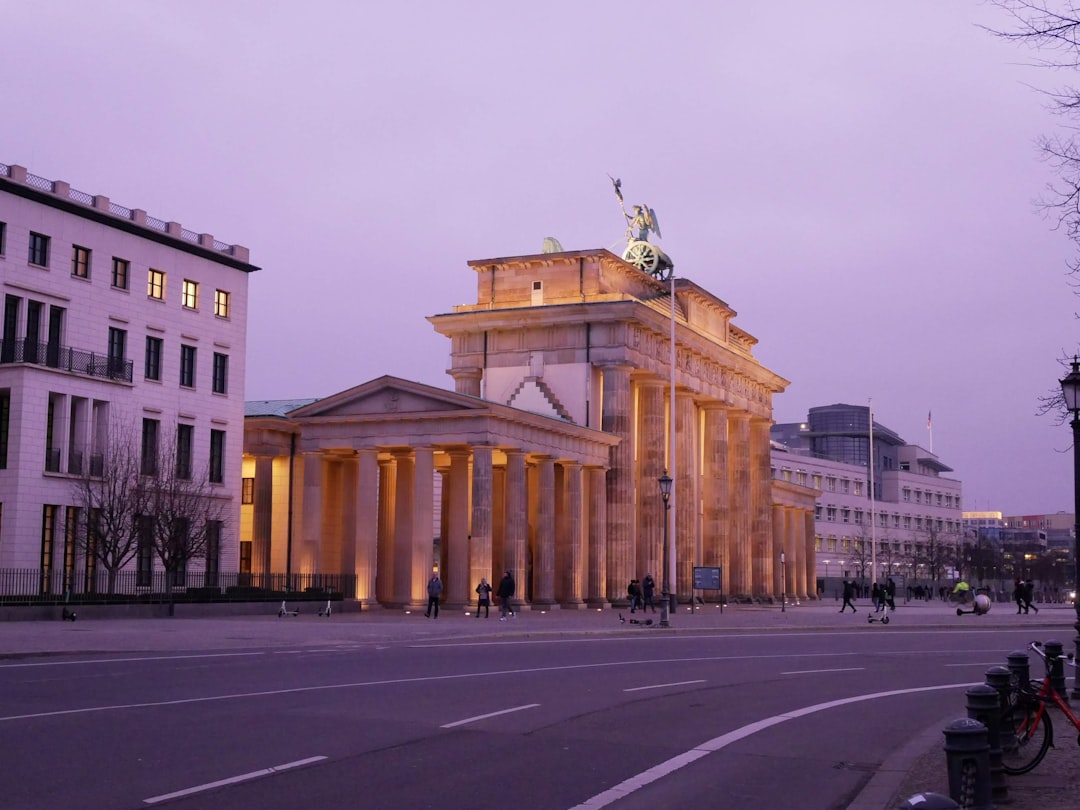
What happened
European leaders, including Chancellor Merz, President Stubb, President Macron, President Costa, President von der Leyen, and Prime Minister Kristersson, convened in Berlin. They released a joint statement following their discussions.
Key facts
- The meeting took place in Berlin.
- Leaders from several European countries participated.
- A joint statement was issued by the leaders.
- The statement was published on December 15, 2025.
- The source of the statement is Government.se.
Background & context
European leaders regularly meet to address a wide array of issues that impact the region, from economic policies to security and environmental concerns. These summits are integral to the European Union's functioning, as they provide a platform for dialogue and decision-making among member states. The EU, established to promote economic cooperation and prevent conflict in Europe, has grown into a significant political and economic entity. It plays a crucial role in global affairs, influencing trade, climate policy, and international security. The Berlin summit is part of a tradition of high-level meetings where leaders seek to align their national policies with broader EU objectives. Such gatherings are essential for maintaining cohesion within the EU, especially in times of geopolitical tension or economic uncertainty. The outcomes of these meetings can shape the EU's internal and external policies, affecting everything from trade agreements to defense strategies.
Why it matters (for US readers)
The decisions made by European leaders have far-reaching implications beyond the continent. As a major ally, the United States closely monitors these developments. The EU is one of the largest economic blocs in the world, and its policies can significantly impact global markets and trade dynamics. For instance, changes in EU regulations or trade policies can affect American businesses operating in Europe or those that rely on European markets. Moreover, the EU's stance on international issues, such as climate change or security, often aligns with or complements US policies. Understanding the EU's direction helps US policymakers anticipate shifts in international relations and prepare for potential changes in the geopolitical landscape. The Berlin summit, therefore, is not just a regional event but a point of interest for global observers, including those in the US.
Stakeholders & viewpoints
- European Leaders: They aim to present a unified front on issues of mutual concern, ensuring that the EU remains a cohesive and influential entity on the world stage. Their collaboration is vital for addressing challenges like economic instability, migration, and climate change.
- European Union: As a collective entity, the EU's policies and decisions can influence global economic and political trends. The EU's ability to act as a single voice in international forums enhances its influence.
- International Observers: Analysts and policymakers worldwide watch European summits closely for any changes in policies that might impact global markets and geopolitical stability. The EU's decisions can set precedents for international norms and agreements.
Timeline & what to watch next
- December 15, 2025: The joint statement was published, marking the culmination of the Berlin summit.
- Future Meetings: Observers should watch for subsequent meetings and statements, as they may indicate shifts in policy or new initiatives. These gatherings often set the agenda for the EU's future actions.
- Implementation: It is crucial to monitor how the agreements or statements from the summit are implemented within the EU. The effectiveness of these implementations can influence the EU's internal cohesion and its ability to project power externally.
Sources
Up Next
