Viewing Guide: Geminids Meteor Shower in Colorado
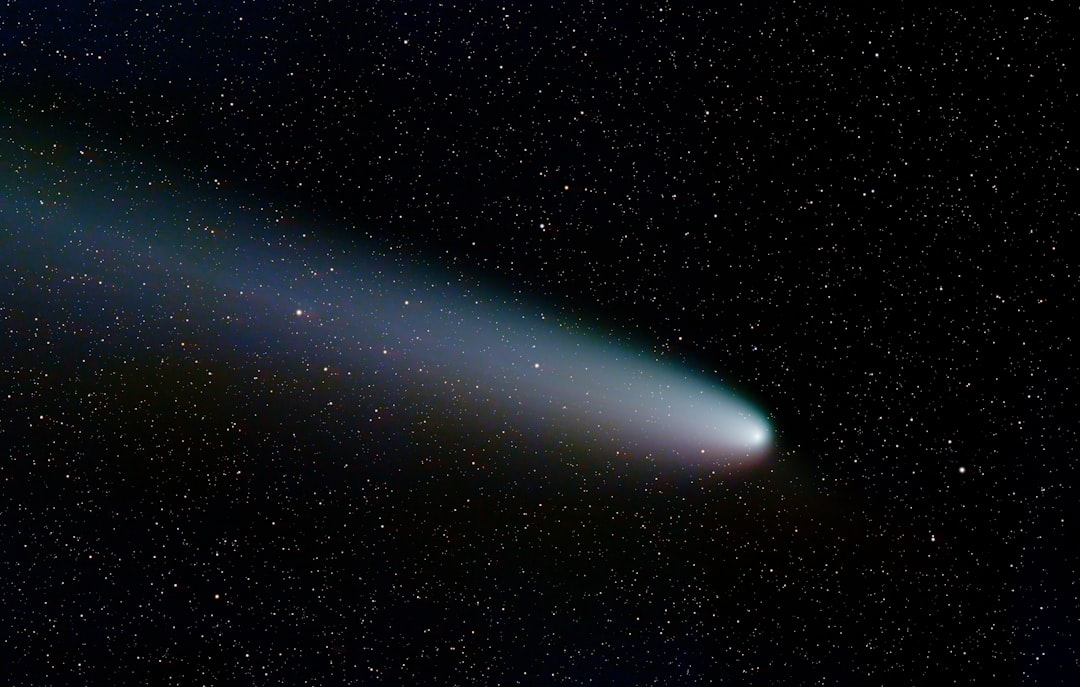
What happened
The Geminids meteor shower, considered by NASA as one of the best and most reliable annual meteor showers, is expected to peak on Saturday. Observers in Colorado may witness up to 120 meteors per hour under optimal conditions.
Key facts
- The Geminids meteor shower is anticipated to peak on a Saturday.
- NASA regards the Geminids as one of the best and most reliable meteor showers.
- Viewers could see up to 120 meteors per hour in dark, clear conditions.
- The event is visible in Colorado.
Background & context
Meteor showers are a fascinating astronomical phenomenon that occur when Earth passes through trails of debris left by comets or asteroids. These particles, often no larger than grains of sand, burn up upon entering Earth's atmosphere, creating bright streaks of light across the sky. The Geminids are particularly unique among meteor showers because they originate from an asteroid, 3200 Phaethon, rather than a comet. This distinction makes the Geminids a subject of interest for both amateur and professional astronomers. The shower is named after the constellation Gemini, from which the meteors appear to radiate. Historically, the Geminids have been observed since the mid-19th century and have grown in intensity over the years, making them a reliable highlight for stargazers.
Why it matters
For US readers, particularly those in Colorado, the Geminids meteor shower offers a spectacular natural display that is accessible without special equipment. This event provides an opportunity for educational and recreational activities, fostering interest in astronomy and the natural world. Observing meteor showers can inspire curiosity about space and science, encouraging people of all ages to learn more about the universe. The accessibility of the Geminids, visible to the naked eye from dark locations, makes it an inclusive event that can be enjoyed by families, schools, and community groups. Additionally, such events can promote awareness about the importance of preserving dark skies, free from light pollution, which is crucial for astronomical observations.
Stakeholders & viewpoints
- Astronomy enthusiasts: Eager to observe one of the year's best meteor showers, enthusiasts often prepare by selecting optimal viewing locations and times. They may use telescopes or cameras to capture the event, although these are not necessary to enjoy the spectacle.
- Educational institutions: Schools and universities may use the event as a practical teaching moment, organizing viewing parties or incorporating the meteor shower into science curricula. This can help spark interest in STEM fields among students.
- General public: For many, the Geminids offer a chance for a family-friendly outdoor activity. It provides an opportunity to disconnect from digital devices and appreciate the natural world, fostering a sense of wonder and community.
Timeline & what to watch next
- The peak of the Geminids meteor shower is expected on a Saturday. Observers should aim to find a location with clear skies and minimal light pollution for the best experience. The hours after midnight are typically the most favorable for viewing.
- Optimal viewing conditions include clear skies, which can be influenced by weather patterns. Checking local forecasts ahead of time can help in planning the best viewing experience.
- Future meteor showers and celestial events can be anticipated throughout the year, with other notable showers including the Perseids and Leonids. Each offers unique characteristics and viewing opportunities, contributing to a year-round calendar of astronomical events.
Sources
Up Next
