Tech Shifts That Transformed U.S. Workplaces
Introduction
The evolution of technology has consistently reshaped the American workplace, driving productivity, altering job roles, and influencing economic structures. From the Industrial Revolution to the digital age, each technological milestone has left a profound impact on how work is conducted in the United States. This article delves into these pivotal changes, examining their historical context and ongoing implications.
Key Points
- Industrial Revolution: Introduced mechanization, shifting labor from agriculture to manufacturing.
- Telecommunications: The telephone and telegraph revolutionized communication, enabling faster business operations.
- Computers and the Internet: Transformed data processing and information sharing, leading to the rise of the digital economy.
- Automation and Robotics: Enhanced efficiency in manufacturing and logistics, while also raising concerns about job displacement.
- Remote Work Technology: Enabled by the internet and mobile devices, this has redefined workplace flexibility and work-life balance.
Quick Q&A
- What was the first major technological milestone in American work?
The Industrial Revolution, which introduced mechanized production. - How did telecommunications change the workplace?
They allowed for instant communication over long distances, speeding up business processes. - What role did computers play in transforming work?
Computers revolutionized data processing, storage, and retrieval, leading to increased productivity. - What is the impact of automation on jobs?
While it increases efficiency, it also raises concerns about job displacement in certain sectors. - How has remote work technology changed the workplace?
It has enabled greater flexibility, allowing employees to work from anywhere with an internet connection. - What are some challenges associated with technological advancements in work?
Challenges include job displacement, the need for new skills, and cybersecurity threats. - How did the internet contribute to the digital economy?
It facilitated e-commerce, online services, and global connectivity, transforming traditional business models. - What is the future outlook for technology in the workplace?
Continued advancements in AI, machine learning, and virtual reality are expected to further transform work environments.
Deeper Dive
Industrial Revolution
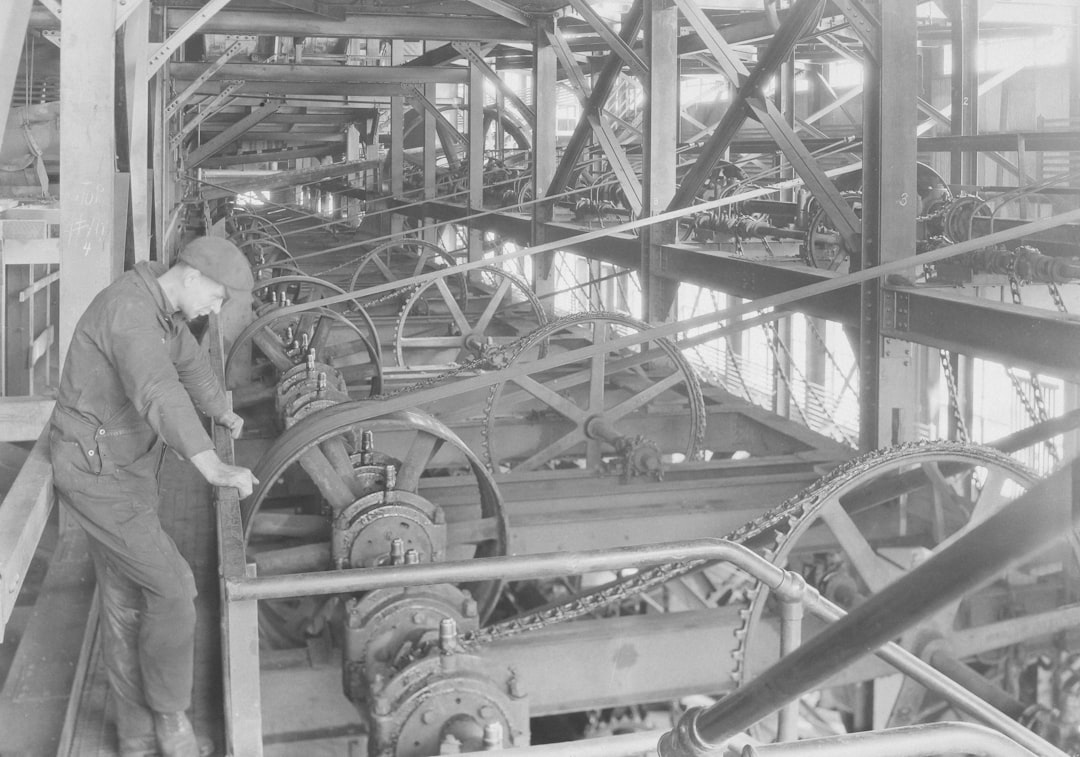
The Industrial Revolution marked a significant shift from agrarian economies to industrialized ones. In the United States, this period saw the rise of factories and mass production, which increased productivity and created new job opportunities in urban areas. The introduction of steam power and mechanized equipment reduced the reliance on manual labor and laid the groundwork for modern manufacturing.
Telecommunications
The invention of the telegraph and telephone in the 19th century revolutionized communication. Businesses could now communicate instantly over long distances, which was previously impossible. This advancement facilitated faster decision-making and coordination, essential for expanding businesses and managing supply chains.
Computers and the Internet
The development of computers in the mid-20th century and the subsequent rise of the internet in the late 20th century transformed the workplace. Computers enabled efficient data processing and storage, while the internet allowed for instant information sharing and communication. These technologies paved the way for the digital economy, characterized by e-commerce, online services, and global connectivity.
Automation and Robotics
Automation and robotics have significantly impacted manufacturing and logistics. Automated systems and robots can perform repetitive tasks with high precision and efficiency, reducing the need for human intervention. While this has led to increased productivity, it has also sparked debates about job displacement and the need for workforce reskilling.
Remote Work Technology
The advent of the internet, coupled with mobile devices and cloud computing, has made remote work a viable option for many employees. This shift has redefined traditional work environments, offering greater flexibility and work-life balance. However, it also presents challenges such as maintaining team cohesion and ensuring cybersecurity.
US Examples & Data
- Industrial Revolution: By the late 1800s, the US had become the world's leading industrial nation, with manufacturing output surpassing that of agriculture.
- Telecommunications: The number of telephone subscribers in the US grew from 1,270 in 1877 to over 1 million by 1900.
- Computers and the Internet: According to the US Census Bureau, internet usage in American households increased from 18% in 1997 to 89% in 2021.
- Automation: The Bureau of Labor Statistics reports that automation could affect 25% of US jobs, with significant impacts on manufacturing and retail.
- Remote Work: A 2021 Gallup poll found that 45% of full-time employees in the US worked remotely at least part of the time during the pandemic.
Why It Matters
Understanding the technological milestones that have reshaped American work is crucial for navigating the future of work. As technology continues to evolve, it will bring both opportunities and challenges. Policymakers, businesses, and workers must adapt to these changes to ensure economic growth and job security. Embracing technological advancements while addressing their implications can lead to a more resilient and dynamic workforce.
Sources
Related Topics
- The Future of Work: AI and Machine Learning
- The Impact of E-commerce on Traditional Retail
- Cybersecurity in the Digital Workplace
- The Role of Education in Workforce Reskilling
Up Next
