2025: Tech Innovations Improve Diagnostic Tools
Introduction
Advancements in medical technology are revolutionizing the way healthcare professionals diagnose diseases. These innovations not only improve accuracy but also speed up the diagnostic process, leading to better patient outcomes. This article delves into the latest technologies enhancing diagnostic precision, their implementation, and their significance in the healthcare landscape.
Key Points
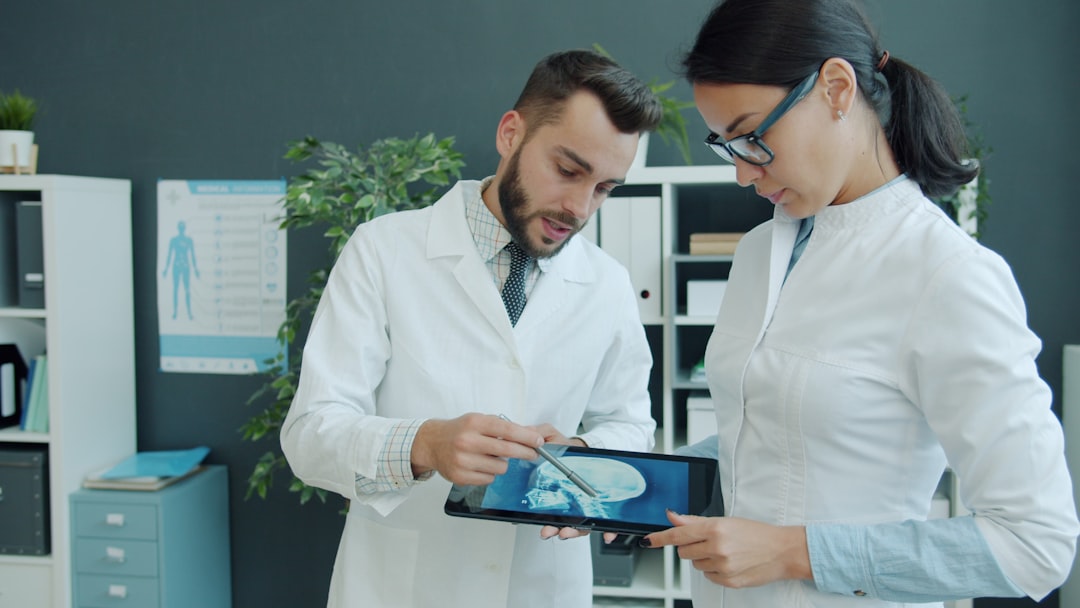
- Artificial Intelligence (AI) and Machine Learning: AI algorithms analyze medical images, such as X-rays and MRIs, with high accuracy, often surpassing human capabilities.
- Genomic Sequencing: This technology allows for personalized medicine by identifying genetic markers associated with specific diseases.
- Wearable Health Devices: Devices like smartwatches monitor vital signs in real-time, providing continuous data that can preemptively identify health issues.
- Point-of-Care Testing: Portable diagnostic tools enable immediate testing and results, reducing the need for lab visits.
- Telemedicine: Remote diagnostics have become more prevalent, allowing for broader access to healthcare services.
Step-by-Step
- Integrate AI in Radiology: Hospitals should adopt AI tools that assist radiologists in interpreting medical images. These tools can highlight areas of concern, reducing the risk of oversight.
- Implement Genomic Testing: Healthcare providers should offer genomic sequencing for patients with a family history of genetic disorders. This can guide personalized treatment plans.
- Adopt Wearable Technology: Encourage patients to use wearable devices that track health metrics. These devices can alert both patients and doctors to potential health issues.
- Utilize Point-of-Care Devices: Equip clinics with portable diagnostic tools that can perform tests like blood glucose or cholesterol levels on-site, providing immediate results.
- Expand Telemedicine Services: Develop robust telemedicine platforms that allow for remote consultations and diagnostics, especially in underserved areas.
- Train Healthcare Professionals: Ensure that medical staff are trained in using new technologies effectively, including interpreting AI-generated data and genomic information.
- Monitor and Evaluate: Continuously assess the effectiveness of these technologies in improving diagnostic accuracy and patient outcomes.
Common Mistakes & Fixes
- Overreliance on Technology: While technology is a powerful tool, it should complement, not replace, human expertise. Regular training and updates for healthcare professionals are essential.
- Data Privacy Concerns: Protect patient data by implementing robust cybersecurity measures and ensuring compliance with regulations like HIPAA.
- Inadequate Training: Insufficient training on new technologies can lead to misuse. Regular workshops and certification programs can mitigate this issue.
- Ignoring Patient Engagement: Patients should be educated about the benefits and limitations of new diagnostic technologies to ensure informed decision-making.
US Examples & Data
- AI in Radiology: A study published in the journal Nature found that an AI system developed by Google Health outperformed radiologists in detecting breast cancer in mammograms by reducing false positives and false negatives.
- Genomic Sequencing: The National Institutes of Health (NIH) has been funding initiatives like the All of Us Research Program, which aims to gather genomic data from diverse populations to improve personalized medicine.
- Wearable Devices: According to a report by the Pew Research Center, about 21% of Americans regularly wear a smartwatch or fitness tracker, highlighting the growing acceptance of wearable health technology.
- Telemedicine Growth: The American Medical Association reported a 53% increase in telemedicine usage from 2016 to 2019, a trend that accelerated during the COVID-19 pandemic.
Why It Matters
The integration of new medical technologies in diagnostics is crucial for several reasons. It enhances the accuracy and speed of diagnoses, leading to timely and effective treatment. This is particularly important in managing chronic diseases and conditions where early detection is vital. Moreover, these technologies can reduce healthcare costs by minimizing unnecessary tests and hospital visits. They also democratize healthcare access, especially for individuals in remote or underserved areas, by providing them with tools and platforms for remote diagnosis and monitoring.
Sources
- National Institutes of Health (NIH)
- American Medical Association (AMA)
- Pew Research Center
- Nature Journal
- Centers for Disease Control and Prevention (CDC)
Related Topics
- The Role of AI in Healthcare
- Advances in Telemedicine
- The Future of Genomic Medicine
- Wearable Technology in Health Monitoring
- Cybersecurity in Healthcare Systems
Up Next
