Street Art's Role in Shaping Urban America
Introduction
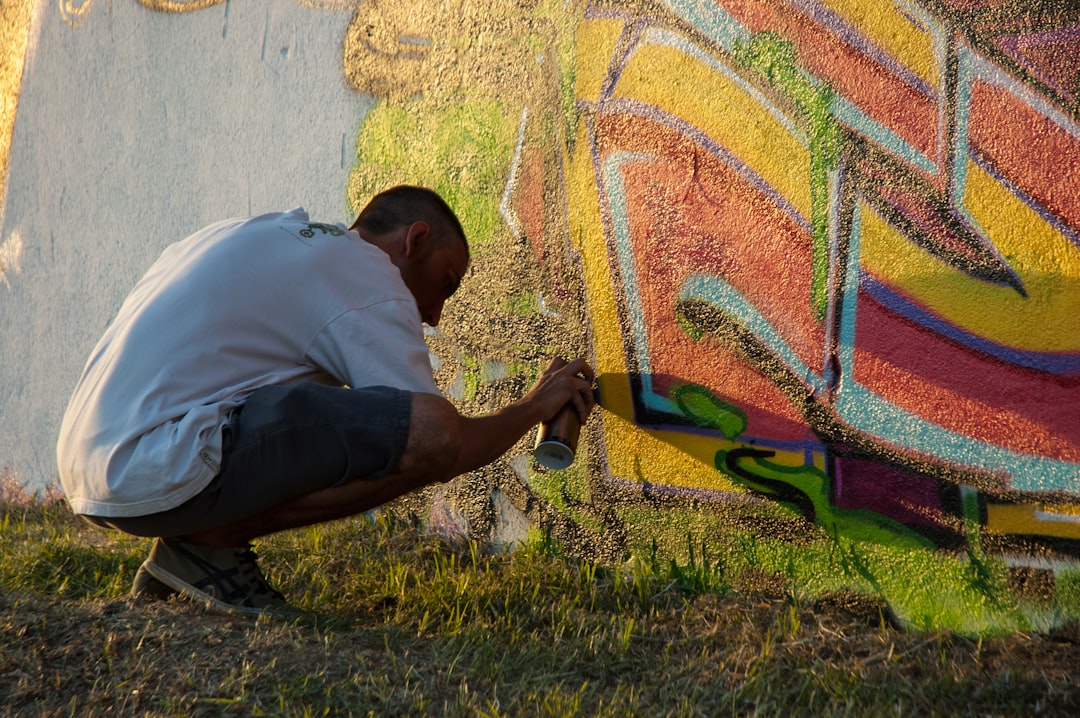
Street art in urban America has undergone a significant transformation over the past few decades. Once considered mere vandalism, it is now recognized as a legitimate form of artistic expression that contributes to the cultural and aesthetic fabric of cities. This evolution reflects broader changes in societal attitudes towards art, public space, and community engagement.
Key Points
- Historical Context: Street art in the United States began gaining prominence in the 1970s and 1980s, particularly in New York City. Initially associated with graffiti, it was often viewed as a form of rebellion against authority and urban decay.
- Shift in Perception: Over time, street art has gained acceptance as a legitimate art form. This shift is partly due to the efforts of artists who have pushed the boundaries of traditional art and the growing appreciation for its aesthetic and cultural value.
- Legal and Economic Implications: Cities have started to recognize the economic benefits of street art, such as increased tourism and community revitalization. Legal frameworks have evolved to support this art form, with many cities designating specific areas for murals and street art.
- Cultural Impact: Street art has become a powerful medium for social commentary, allowing artists to address political, social, and environmental issues. It serves as a voice for marginalized communities and a platform for public discourse.
- Technological Influence: The rise of social media has played a crucial role in the dissemination and appreciation of street art. Platforms like Instagram have allowed artists to reach a global audience, further legitimizing their work.
Quick Q&A
- What is street art?
Street art is a visual art form created in public locations, often unsanctioned, encompassing graffiti, murals, and installations. - How did street art start in the US?
Street art in the US began in the 1970s, primarily in New York City, as a form of graffiti on subway trains and buildings. - Why is street art important?
It provides a platform for social commentary, enhances urban aesthetics, and can drive economic benefits through tourism. - How has street art evolved legally?
Many cities now have legal frameworks supporting street art, with designated areas for artists to work without facing legal repercussions. - What role does technology play in street art?
Social media platforms have expanded the reach of street art, allowing artists to gain recognition and share their work globally. - Is all street art legal?
No, while some street art is commissioned or created in designated areas, unsanctioned work can still be considered vandalism. - How does street art impact communities?
It can foster community pride, stimulate local economies, and serve as a catalyst for social change. - What are some famous street art locations in the US?
Notable locations include the Wynwood Walls in Miami, the Mission District in San Francisco, and the Bushwick Collective in Brooklyn.
Deeper Dive
Street art's journey from the fringes to the mainstream is a testament to its adaptability and relevance. Initially, graffiti was a form of expression for marginalized youth, often reflecting the socio-economic challenges of urban life. As cities grappled with issues of crime and decay, graffiti was frequently seen as a symptom of these problems. However, the 1980s and 1990s marked a turning point. Artists like Jean-Michel Basquiat and Keith Haring began to blur the lines between street art and the gallery world, bringing attention to the artistic merit of these works. This period also saw the rise of street art festivals and exhibitions, further legitimizing the art form. The legal landscape for street art has also evolved. Cities like Philadelphia and Los Angeles have embraced street art as a tool for urban revitalization. Programs such as Philadelphia's Mural Arts Program have transformed the city into an open-air gallery, reducing crime and fostering community engagement. Technological advancements have further propelled street art into the global spotlight. The internet and social media have allowed artists to share their work with a broader audience, leading to collaborations and cultural exchanges across borders. This digital exposure has helped street art gain recognition as a valuable cultural asset.
US Examples & Data
- Philadelphia's Mural Arts Program: Established in 1984, this program has produced over 4,000 murals, making Philadelphia one of the most mural-rich cities in the world. The program has been credited with reducing crime and fostering community pride.
- Wynwood Walls, Miami: This outdoor museum of international street art has become a major tourist attraction, contributing significantly to Miami's economy. The area was transformed from a neglected warehouse district into a vibrant cultural hub.
- Bushwick Collective, Brooklyn: This open-air gallery showcases the work of both local and international artists, attracting visitors and boosting local businesses.
- Economic Impact: According to a study by the University of Southern California, street art can increase property values and attract businesses, contributing to urban renewal efforts.
Why It Matters
Street art matters because it challenges traditional notions of art and public space. It democratizes art by making it accessible to everyone, regardless of socio-economic status. As a tool for social change, street art can amplify voices that are often unheard, addressing issues such as inequality, environmental concerns, and political unrest. Moreover, street art contributes to the economic vitality of cities. By attracting tourists and fostering local businesses, it plays a role in urban development and revitalization. As cities continue to evolve, street art will likely remain a dynamic and influential force in shaping urban landscapes.
Sources
- Philadelphia Mural Arts Program
- Wynwood Walls
- Bushwick Collective
- University of Southern California Study on Street Art
- National Endowment for the Arts
Related Topics
- Urban Revitalization
- Public Art and Community Engagement
- The Role of Technology in Modern Art
- The History of Graffiti
- Economic Impact of the Arts
Up Next