How Civil Rights Shaped Modern U.S. Society
Introduction
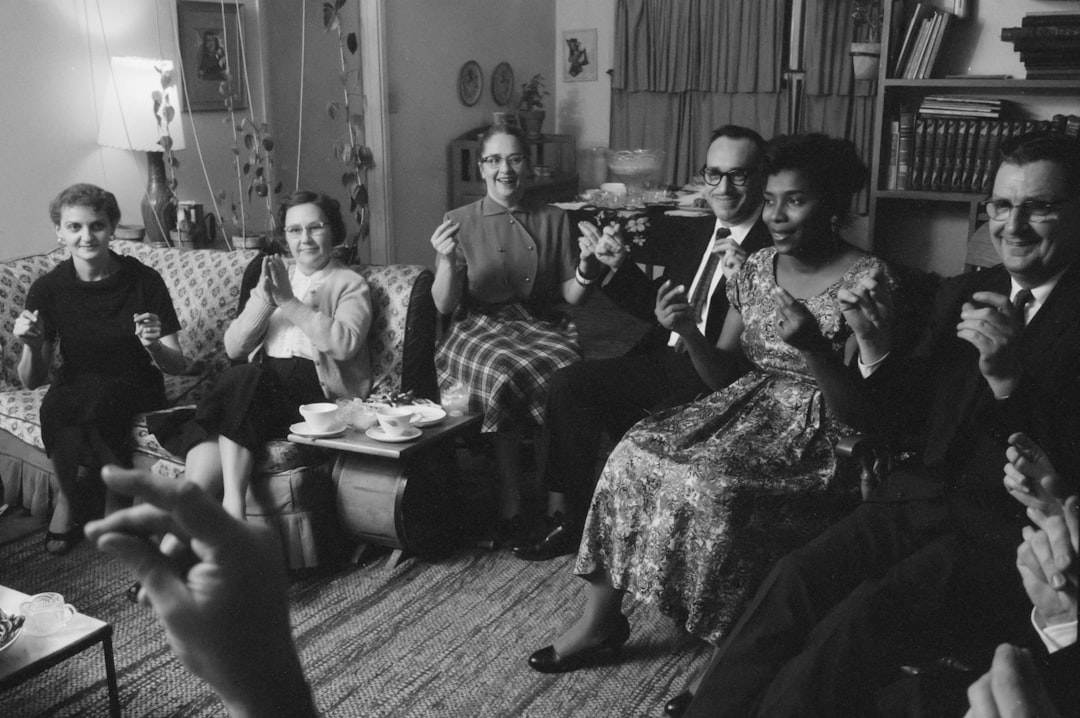
The Civil Rights Movement was a pivotal era in American history, fundamentally transforming the nation's legal and cultural landscape. Spanning the 1950s and 1960s, this movement sought to dismantle systemic racial segregation and discrimination, primarily targeting the injustices faced by African Americans. Its legacy continues to influence modern America, affecting legislation, social attitudes, and the ongoing struggle for equality.
Key Points
- The Civil Rights Movement led to significant legislative changes, including the Civil Rights Act of 1964 and the Voting Rights Act of 1965.
- It catalyzed a broader awareness and activism for various social justice causes.
- The movement's strategies and successes continue to inform contemporary advocacy efforts.
Main Sections
Legislative Achievements
The Civil Rights Movement's most notable successes were its legislative achievements. The Civil Rights Act of 1964 was a landmark law that prohibited discrimination based on race, color, religion, sex, or national origin. It ended segregation in public places and banned employment discrimination, laying the groundwork for future anti-discrimination legislation. Similarly, the Voting Rights Act of 1965 addressed racial discrimination in voting, a pervasive issue in many Southern states. This act prohibited literacy tests and other discriminatory practices that had historically disenfranchised African American voters. These laws were instrumental in advancing civil rights and are considered cornerstones of the movement's success.
Social and Cultural Impact
Beyond legislation, the Civil Rights Movement significantly influenced American culture and society. It challenged and gradually changed societal norms regarding race and equality. The movement's emphasis on nonviolent protest and civil disobedience, inspired by leaders like Martin Luther King Jr., set a precedent for future social justice movements. The movement also fostered a sense of empowerment among African Americans and other marginalized groups, encouraging them to demand equal rights and representation. This cultural shift contributed to increased diversity and inclusion in various sectors, including education, employment, and politics.
Influence on Modern Activism
The strategies and successes of the Civil Rights Movement continue to inspire modern activism. Contemporary movements, such as Black Lives Matter, draw on the legacy of civil rights leaders, employing similar tactics of peaceful protest and advocacy for policy change. The movement's emphasis on coalition-building and intersectionality has also informed current social justice efforts, highlighting the interconnectedness of various forms of discrimination.
US Examples & Data
- Voter Registration and Participation: According to the U.S. Census Bureau, African American voter turnout has increased significantly since the passage of the Voting Rights Act. In the 2012 presidential election, African American voter turnout surpassed that of white voters for the first time in history.
- Educational Attainment: Data from the National Center for Education Statistics shows that the high school graduation rate for African Americans has improved dramatically since the 1960s. In 2019, the graduation rate for Black students was 79%, compared to just 25% in 1964.
Why It Matters
Understanding the impact of the Civil Rights Movement is crucial for recognizing the progress made and the challenges that remain in the fight for equality. The movement not only transformed laws and societal attitudes but also laid the foundation for ongoing advocacy and reform. By examining its legacy, we can better appreciate the strides made toward justice and equality and remain vigilant in addressing persistent inequalities.
FAQ
What were the main goals of the Civil Rights Movement?
The primary goals were to end racial segregation and discrimination against African Americans, secure legal recognition and federal protection of citizenship rights, and achieve equal access to public facilities and opportunities.
How did the Civil Rights Movement influence other social movements?
The movement's strategies of nonviolent protest and coalition-building have been adopted by various other social movements, including those advocating for women's rights, LGBTQ+ rights, and immigrant rights.
What challenges remain today in achieving the goals of the Civil Rights Movement?
Despite significant progress, challenges such as systemic racism, economic inequality, and voter suppression persist. Ongoing advocacy is necessary to address these issues and achieve true equality.
Sources
- U.S. Census Bureau - Voting and Registration
- National Center for Education Statistics - High School Graduation Rates
- Library of Congress - Civil Rights Act of 1964
- National Archives - Voting Rights Act of 1965
Related Topics
- The Role of Women in the Civil Rights Movement
- The Impact of the Voting Rights Act on American Politics
- The Legacy of Martin Luther King Jr. in Modern Activism
Up Next
