National Guard Member Dies in DC Shooting Incident
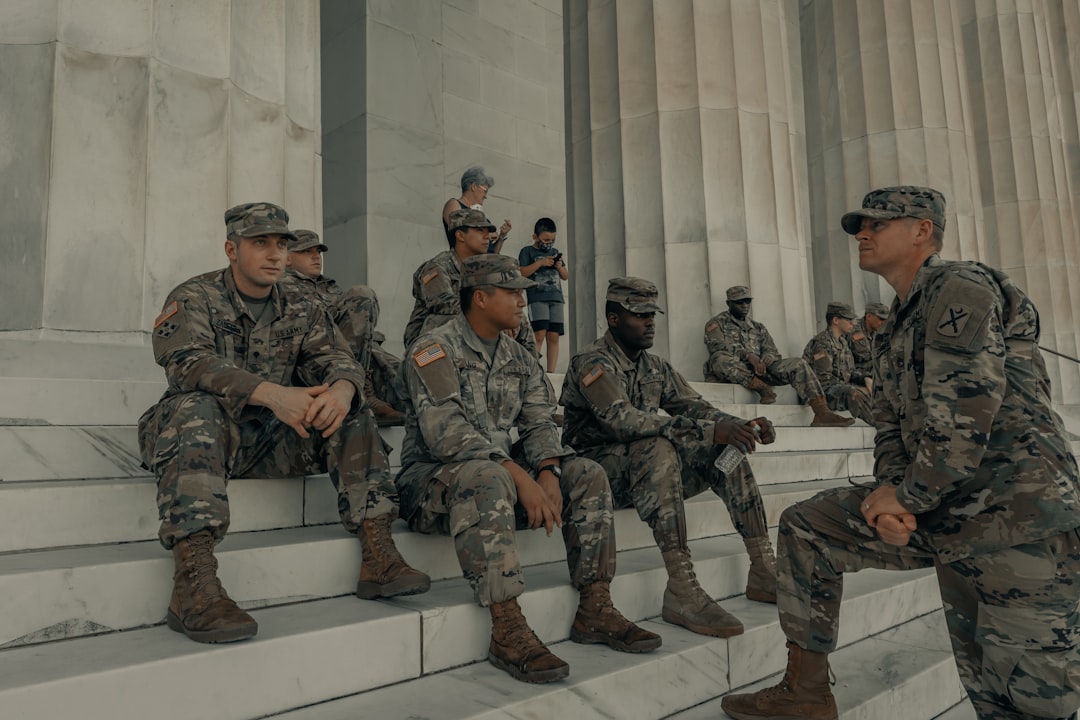
What happened
A member of the West Virginia National Guard, who was shot in an attack near the White House in Washington, DC, has died after being in critical condition. This information was confirmed by President Donald Trump on Thursday.
Key facts
- The incident involved a shooting near the White House in Washington, DC.
- The victim was a member of the West Virginia National Guard.
- The individual was initially in critical condition before succumbing to injuries.
- President Donald Trump announced the death on Thursday.
Background & context
The National Guard serves as a crucial component of the United States' military structure, operating under both state and federal jurisdictions. It is often called upon to assist in domestic emergencies, such as natural disasters, civil disturbances, and other crises. The presence of National Guard members in Washington, DC, is not uncommon, especially given the city's status as the nation's capital and the location of key government institutions. The White House, as the official residence and workplace of the President of the United States, is one of the most secure locations in the country. Security measures around the White House are typically stringent, involving multiple layers of law enforcement and military personnel. An incident occurring in such a high-security area raises questions about the circumstances leading to the breach and the effectiveness of existing security protocols.
Why it matters
For US readers, the death of a National Guard member in a shooting near the White House underscores concerns about security and safety in the nation's capital. Such incidents can have a profound impact on public perception of safety, particularly in areas considered to be highly secure. The event also highlights the inherent risks faced by National Guard members, who often operate in challenging and unpredictable environments, even when not engaged in traditional combat roles. The involvement of the National Guard in domestic incidents often prompts discussions about their role and the circumstances leading to such events. It raises questions about the balance between maintaining public safety and ensuring the security of military personnel. Additionally, it may lead to broader discussions about the adequacy of current security measures and the need for potential reforms.
Stakeholders & viewpoints
- The National Guard: As an organization, the National Guard is likely to focus on the safety and well-being of its members. The loss of a service member in such circumstances could prompt internal reviews and discussions about operational protocols and support systems for personnel.
- The Federal Government: Ensuring the security of areas around the White House is a top priority for the federal government. Incidents like this may lead to reviews of security protocols and discussions about potential enhancements to prevent future occurrences.
- The Public: There may be heightened concerns about safety in Washington, DC, particularly in areas surrounding key government buildings. The public may call for increased transparency regarding security measures and the effectiveness of current protocols in protecting both civilians and military personnel.
Timeline & what to watch next
- Incident Date: The shooting occurred near the White House, leading to the critical injury of a National Guard member.
- Announcement: President Trump announced the death on Thursday.
- Future Developments: It will be important to monitor any official investigations or statements from the National Guard or federal agencies regarding the incident. These investigations may provide insights into the circumstances surrounding the shooting and any potential security lapses.
- Security Measures: Potential updates or changes to security protocols in Washington, DC, may be forthcoming. Observers will be watching for any policy changes or new measures implemented to enhance security around high-profile locations.
Sources
Up Next
