Shark Attack Claims Tourist's Life in Australia
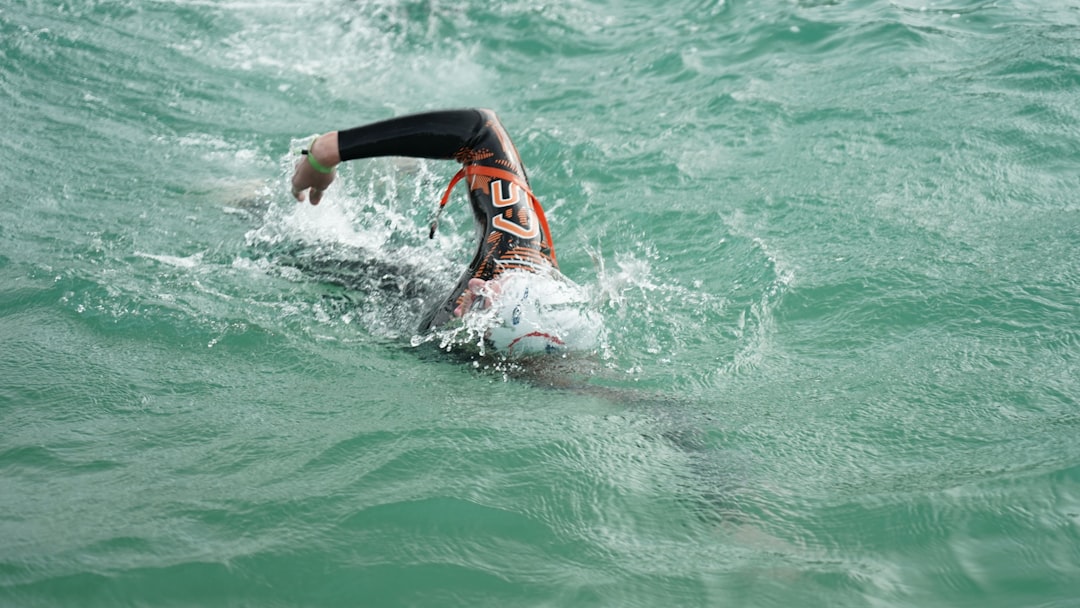
What happened
A tourist, believed to be in her 20s, has tragically died after being bitten by a shark in Australia on Thursday. The incident was reported by police and covered by CNN.
Key facts
- The victim was a tourist in her 20s.
- The incident occurred in Australia.
- The event took place on Thursday.
- The report was published by CNN.
Background & context
Shark attacks, while statistically rare, are a recognized hazard in coastal regions worldwide, particularly in areas like Australia known for their rich marine biodiversity. Australia is home to a variety of shark species, including the great white, tiger, and bull sharks, which are often associated with attacks on humans. The country's extensive coastline and popular beaches attract millions of tourists annually, making marine safety a significant concern. Authorities in Australia and other coastal nations implement various safety measures to mitigate the risk of shark encounters. These include deploying shark nets, drum lines, and aerial surveillance to monitor shark activity. Public education campaigns also play a crucial role, advising swimmers and surfers on how to reduce the risk of shark interactions, such as avoiding swimming at dawn or dusk when sharks are most active.
Why it matters (for US readers)
For US readers, this incident serves as a poignant reminder of the inherent risks associated with natural environments, particularly in regions known for wildlife encounters. The United States, with its extensive coastlines along the Atlantic and Pacific Oceans, also experiences shark attacks, though they remain infrequent. This highlights the importance of adhering to local safety advisories and understanding the natural behaviors of marine life when engaging in recreational activities. Travelers are encouraged to stay informed about potential risks and to follow guidelines provided by local authorities. This awareness is crucial not only for personal safety but also for fostering a respectful coexistence with wildlife.
Stakeholders & viewpoints
- Tourists and travelers: This incident may heighten awareness and concern regarding safety in areas known for shark presence. Tourists might seek more information on safety measures and consider them when planning trips to coastal destinations.
- Local authorities and safety officials: These stakeholders are tasked with ensuring public safety and may review and enhance current safety protocols. They balance the need for public safety with the economic benefits of tourism, which is vital for many coastal communities.
- Environmental and wildlife organizations: These groups advocate for the protection of marine ecosystems while promoting safe human interactions with wildlife. They emphasize the importance of conservation efforts and the role of sharks in maintaining healthy oceanic ecosystems.
Timeline & what to watch next
- The incident occurred on Thursday.
- Authorities may release further details or updates regarding the incident and any potential changes to safety measures.
- Public response could lead to increased scrutiny of current safety practices and possibly influence travel advisories.
- Ongoing discussions about balancing marine conservation with human safety may gain renewed attention, potentially impacting policy decisions.
Sources
Up Next
